Rebuilding Your Smile: Modern Dental Prosthetic Solutions

12/01/2026 01:57
14/08/2026 15:24
- Category 1: Fixed Prosthetics (The Ones That Stay In)
- Category 2: Removable Prosthetics (The Ones You Take Out)
- Category 3: Implant-Supported Prosthetics (The Gold Standard)
- The Material Revolution: PEEK and Digital Polymers
- The Challenge of Adaptation
- Maintenance: The Key to Longevity
- Choosing Your Solution
- Restoring More Than Just Teeth
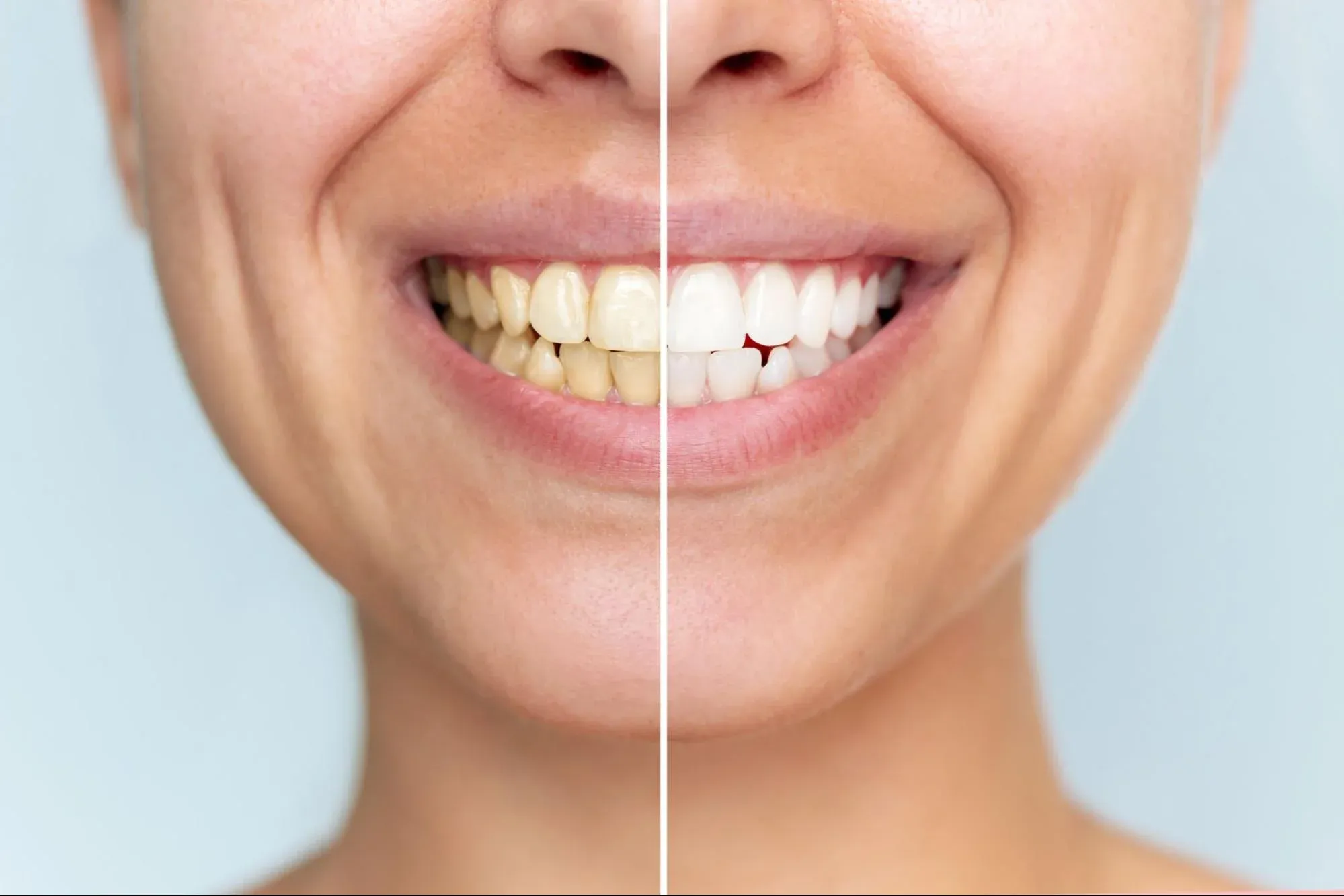
The human mouth is built to handle strong forces, help us speak clearly, and show our emotions. Still, it can be vulnerable. Decay, gum disease, injury, or aging can all lead to tooth loss, which can affect the digestive system. And perhaps most profoundly, self-confidence erodes. Patients often subconsciously learn to cover their mouths when laughing or avoid social dining altogether.
This is where prosthodontics comes in. This dental specialty focuses on designing, making, and other parts of the mouth.
"Dental Prosthetics" is a broad umbrella term. It encompasses everything from a single ceramic shell to a complete set of artificial teeth. For a patient, navigating the sheer variety of options—Fixed vs. Removable? Implant vs. Bridge? Metal vs. Zirconia?—can be overwhelming. This comprehensive guide aims to categorize and demystify the vast landscape of dental prosthetic solutions, helping you understand which architectural blueprint is right for rebuilding your smile.
Category 1: Fixed Prosthetics (The Ones That Stay In)
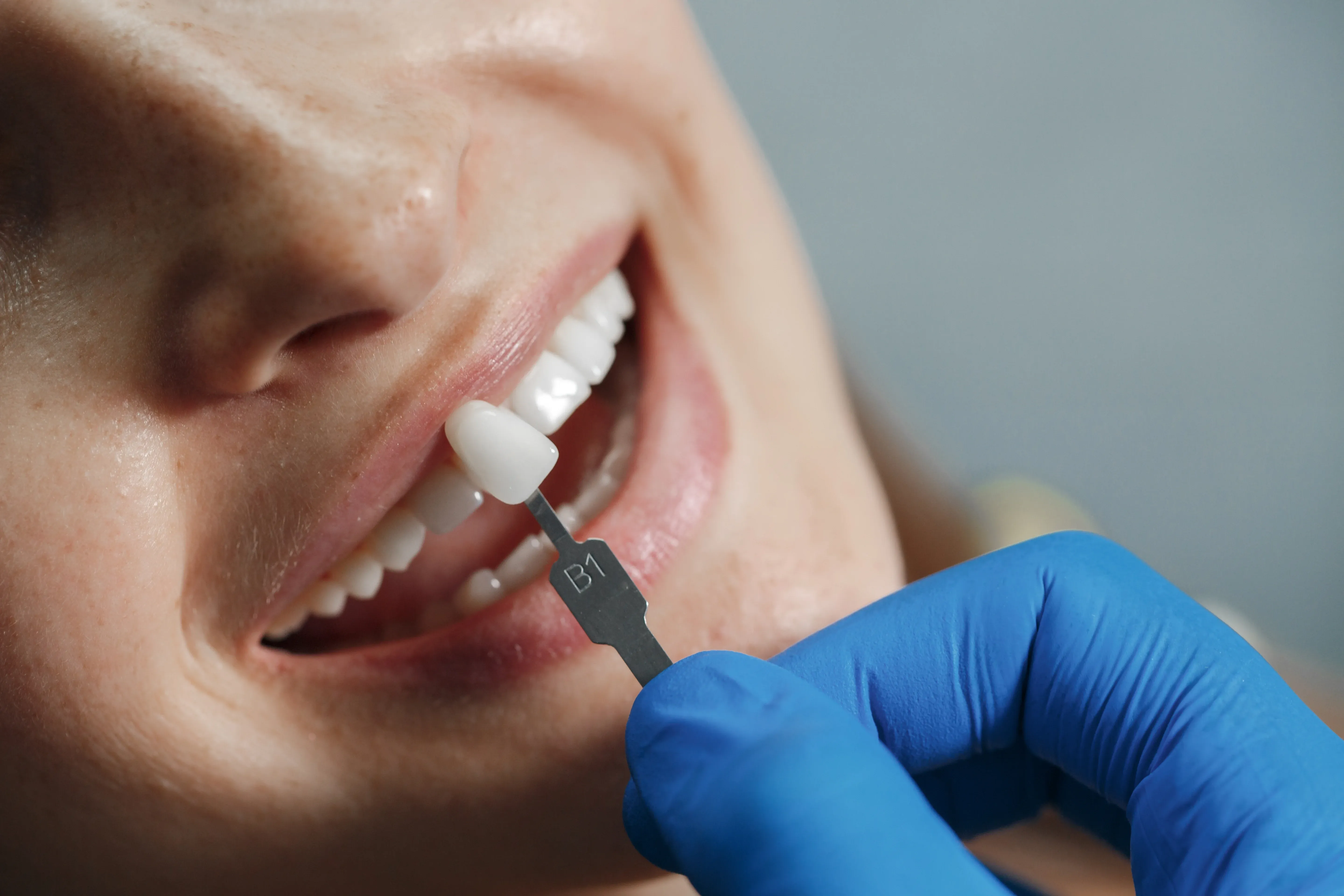
Fixed prosthetics are the closest simulation of natural teeth. They are cemented or screwed into place and cannot be removed by the patient. They offer the highest level of comfort and psychological satisfaction because they feel like part of your body.
1. Dental Crowns (Caps) A crown is a helmet for a damaged tooth. It is used when a tooth is structurally compromised (by a massive filling, a root canal, or a fracture) but the root is still solid.
-
The Function: It encases the entire visible portion of the tooth, restoring its original shape, size, and strength.
-
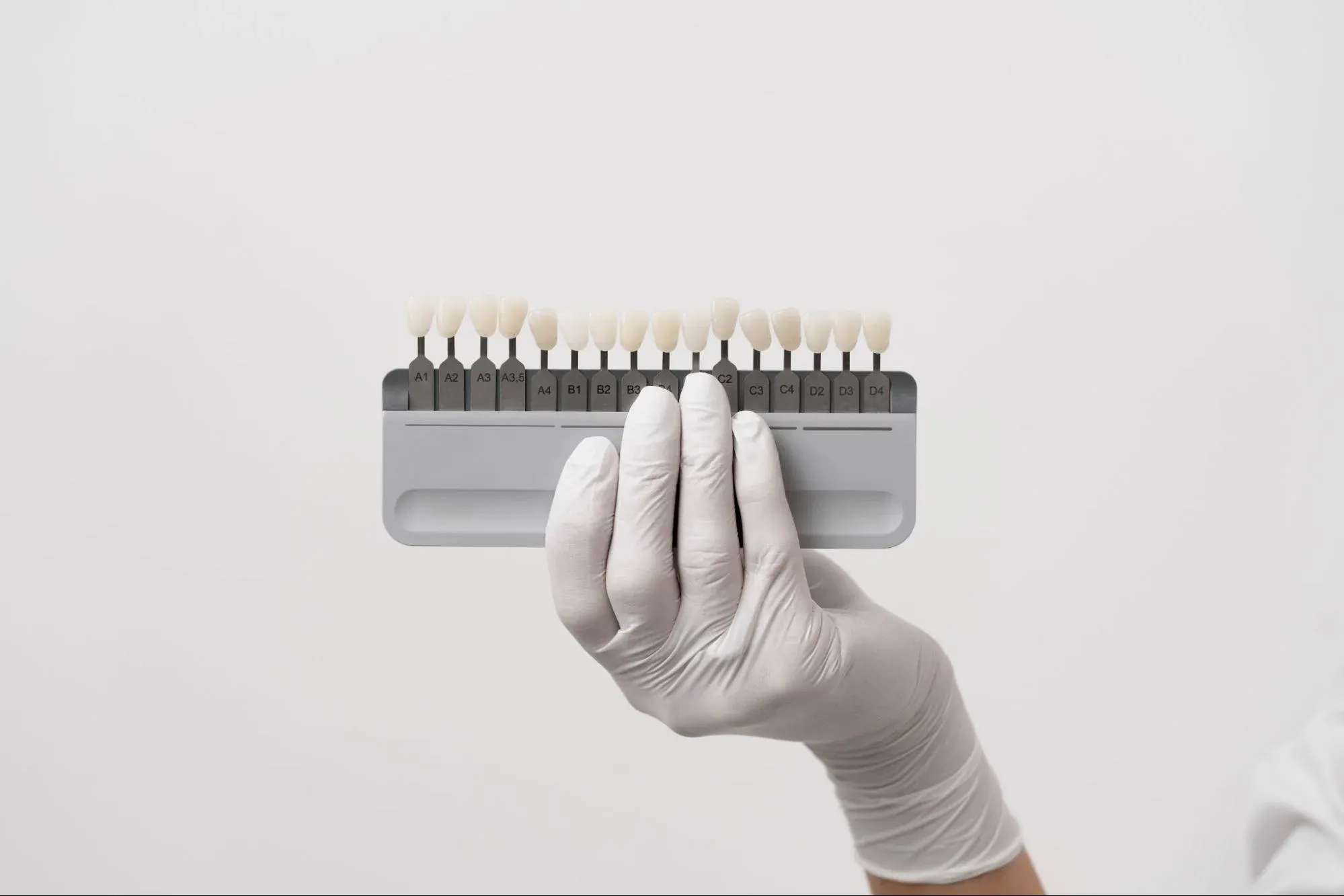
Materials: Modern crowns are typically made of Zirconia (for back teeth strength) or E-Max Porcelain (for front teeth aesthetics), rendering the old "metal-margin" look obsolete.
2. Dental Bridges. Before implants became common, bridges were the standard for replacing a missing tooth.
-
The Mechanism: To replace a missing tooth (the pontic), the dentist uses the two healthy neighboring teeth as anchors (abutments). These neighbors are shaved down to receive crowns, and the three teeth are fused into a single solid ceramic piece.
-
The Pros: It is a fast solution (completed in 1-2 weeks) and highly aesthetic.
-
The Cons: It requires sacrificing the structure of healthy teeth. Also, because there is no root under the fake tooth, the bone in the gap continues to shrink over time.
3. Adhesive Bridges (Maryland Bridges) For a missing front tooth, sometimes a "winged" bridge is used. Metal or ceramic wings are bonded to the back of the adjacent teeth without drilling them down aggressively. This is a conservative, often temporary, solution.
Category 2: Removable Prosthetics (The Ones You Take Out)
For patients who have lost many teeth or lack the bone volume for implants, removable dentures remain a viable and cost-effective solution. While they have a reputation for being uncomfortable, modern materials have vastly improved their fit and appearance.
1. Total (Complete) Dentures: These are the classic "false teeth" used when a patient has no teeth left in an arch.
-
Upper Dentures: These cover the roof of the mouth (palate). They stay in place primarily through suction (a vacuum seal between the plastic and the gums).
-
Lower Dentures: These are notoriously difficult to fit. Because the tongue moves constantly and there is no broad palate for suction, lower dentures often float or slip. This is why denture adhesives are usually needed.
-
The Look: Modern dentures use high-quality acrylics with layered gum coloring and individualized tooth shapes, looking far more realistic than the "piano keys" of the past.
2. Partial Dentures: Used when the patient still has some healthy teeth remaining.
-
Cast Metal Partials: A metal framework sits on the gums and uses metal clasps (hooks) that grip onto the remaining natural teeth for stability. They are strong, but the metal hooks can be unsightly.
-
Flexible Partials (Valplast): Made of a nylon-like thermoplastic. They are thinner and lighter, with pink hooks that blend with the gums. However, they are softer and less efficient for chewing hard foods.
3. Precision Attachment Dentures (The "Snap" Denture) This is the "Mercedes" of removable partials.
-
The Mechanism: Instead of ugly metal hooks, the denture connects to the natural teeth using a male-female interlocking mechanism (like a hidden snap button).
-
The Prerequisite: The remaining natural teeth must be crowned to house the "male" part of the attachment.
-
The Benefit: It provides excellent retention and aesthetics since there are no visible metal clasps.
Category 3: Implant-Supported Prosthetics (The Gold Standard)
Dental implants have revolutionized prosthodontics by essentially creating artificial roots. They stop bone loss and provide an anchor for both fixed and removable solutions.
1. Single Implant Crowns: The ideal replacement for a single missing tooth. Unlike a bridge, it does not touch the neighboring teeth. It is a standalone unit that flosses and functions exactly like a natural tooth.
2. Implant-Supported Bridges: If you are missing several teeth in a row, you don’t need an implant for each one. Two implants can support a bridge that replaces three or four teeth. This is more affordable than placing individual implants and avoids needing a removable denture.
3. Overdentures (Semi-Fixed): These are for people who have trouble with loose dentures, especially on the lower jaw, but can’t get a full set of fixed implants.
-
How it works: Two to four implants are placed in the jaw, and the denture has special caps inside to connect to them.
-
How it helps: The denture snaps onto the implants, so it stays in place during the day but can be removed for cleaning. This makes chewing much easier than with regular dentures.
4. All-on-4 / Hybrid Prosthetics (Fixed): This method uses four or six implants to support a full set of teeth that are permanently attached. It is a top solution for people with no teeth, as it removes the need for palate coverage and you don’t have to take the teeth out at night.
The Material Revolution: PEEK and Digital Polymers
Prosthodontics now uses more than just ceramics and metals.
-
PEEK (Polyetheretherketone): This strong, lightweight plastic is used in aerospace and now in dentistry to make flexible, metal-free denture frameworks. It’s a great option for people with metal allergies.
-
3D Printed Resins: Dentists can now 3D print temporary prosthetics right in the office. This lets you try out your new bite and appearance before the final version is made.
The Challenge of Adaptation
No matter which type you get, a dental prosthesis is a big change for your mouth. It takes time for your mouth and brain to adjust.
-
Speech: Your tongue needs to get used to the new teeth to pronounce certain sounds, like 'S' and 'F,' clearly. Reading out loud can help you adjust faster.
-
Chewing: With dentures, it’s important to chew on both sides at once to keep them stable. With implants, your brain needs to adjust to the strong bite force again.
-
Saliva: Your mouth may make more saliva than usual for the first few days after getting a new prosthesis.
Maintenance: The Key to Longevity
Some people think that false teeth don’t need to be brushed because they can’t decay, but this is not true and can be harmful.
-
For Fixed Prosthetics: The margin (where the crown meets the tooth) is vulnerable to decay. Flossing and water irrigation are mandatory.
-
For Removable Prosthetics: They must be removed at night to allow the gums to breathe (to prevent fungal infections such as stomatitis). They should be brushed with non-abrasive cleaners, not regular toothpaste, which scratches the plastic.
-
For Implants: "Peri-implantitis" is a gum disease that attacks implants. Regular professional cleaning is essential to keep the titanium surface bacteria-free.
Choosing Your Solution
Choosing a dental prosthetic isn’t always straightforward. It depends on several important factors:
-
Bone health: Do you have enough bone for implants?
-
Overall health: Do conditions like diabetes or smoking affect your healing?
-
Budget: Implants cost more, while dentures are more affordable.
-
Expectations: Do you prefer a fixed solution, or are you comfortable taking your teeth out at night?
Restoring More Than Just Teeth
Prosthetic dentistry truly restores more than just teeth. It brings back the shape of your face, helps smooth out wrinkles from a collapsed bite, lets you eat a healthy diet, and improves your speech.
Most importantly, prosthetic dentistry helps restore your confidence and dignity. Whether you get a custom crown or an advanced implant, the goal is for your smile to look natural, so people see you—not your dental work—when you smile.
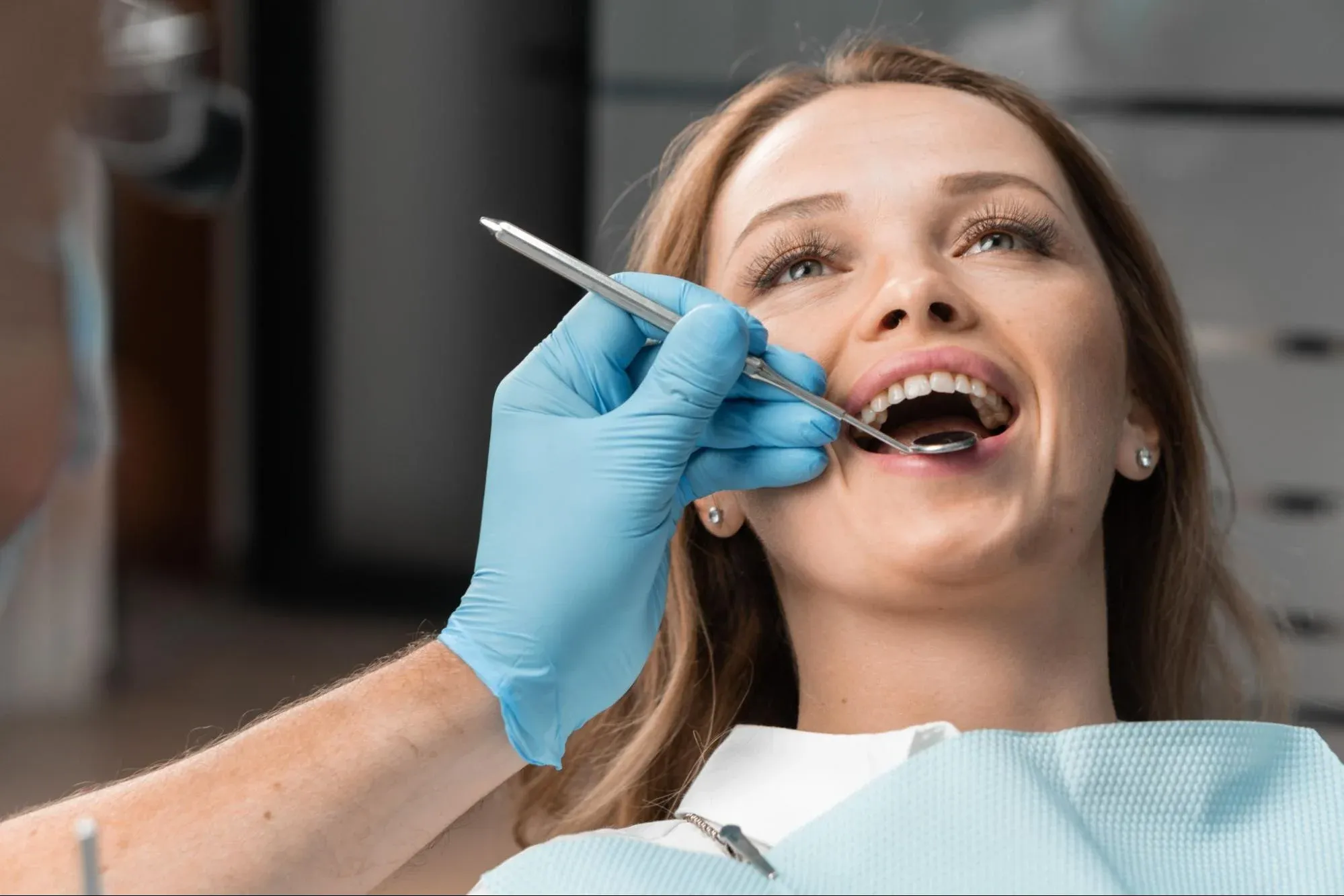
Choosing the right option starts with a thorough dental evaluation. At İstinye University Dental Hospital, our Prosthodontics Department provides a full range of modern solutions. From digital smile design to advanced implants and precision dentures, we work with you to create a treatment plan that fits your needs and gives you a strong, beautiful smile.