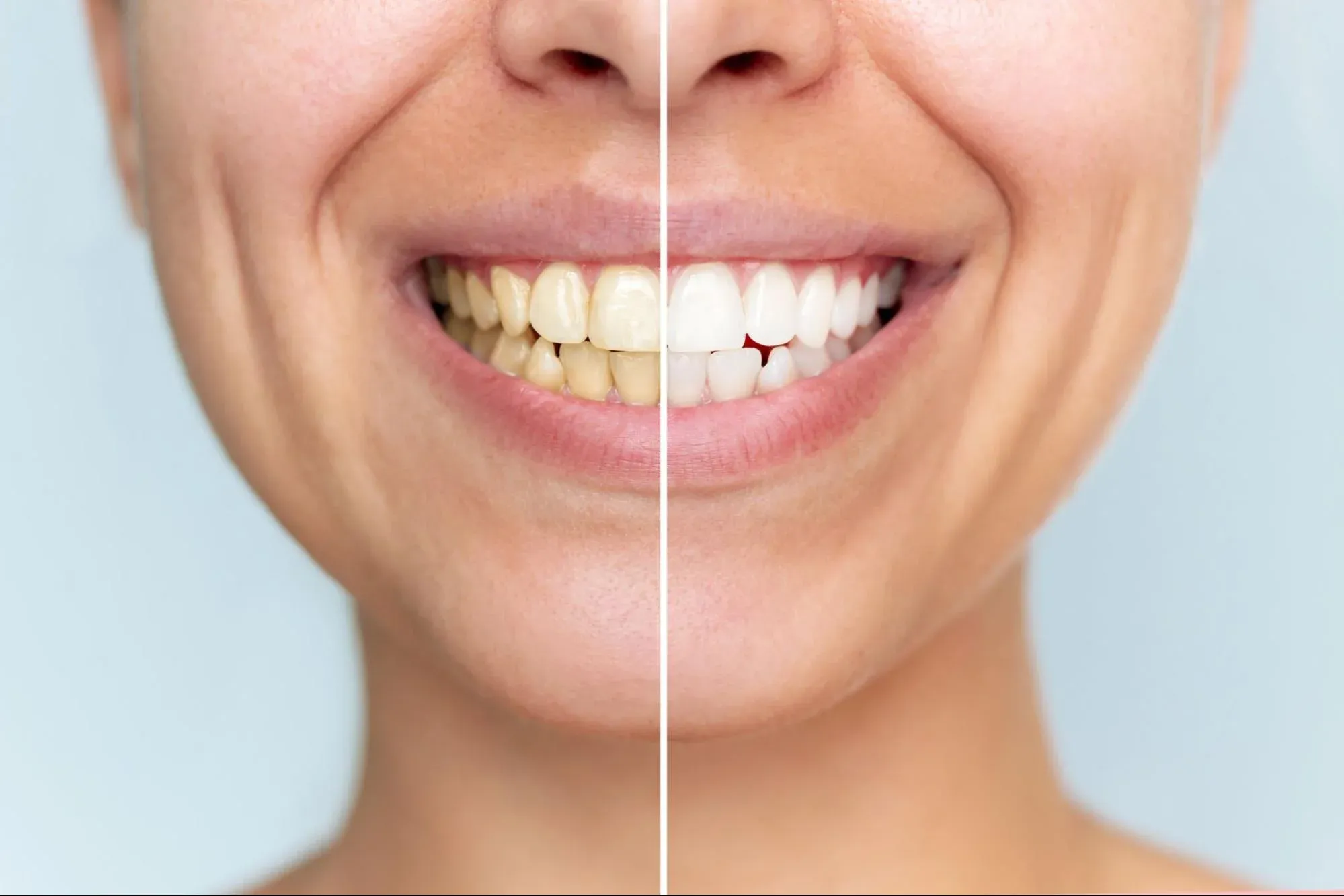
The Science of a Radiant Smile: Exploring Teeth Whitening and Cosmetic Dentistry
09/01/2026 16:04
14/08/2026 15:20
- Understanding Tooth Discoloration: Why Do Teeth Fade?
- The Gold Standard: Professional Teeth Whitening
- Beyond Color: The Role of Porcelain Veneers
- Dental Bonding: The Artistic Touch
- Digital Smile Design (DSD): The Blueprint of Beauty
- Pink Aesthetics: The Frame of the Picture
- The Intersection of Health and Beauty
- Investing in Your Confidence
A smile is often described as the universal language of kindness. It is the first thing we notice about others and frequently the feature we remember most. Psychologically, a confident smile correlates with perceived intelligence, success, and approachability. However, as time passes, our smiles inevitably change. Dietary habits, aging, and wear and tear can leave teeth looking dull, stained, or misaligned, causing many individuals to hide their smiles in photos or cover their mouths when laughing.
This is where the evolving field of cosmetic dentistry steps in. Once considered the exclusive domain of movie stars and models, aesthetic dental treatments have become accessible, safer, and more sophisticated than ever before. It is no longer just about vanity; it is about restoration and self-confidence. Modern cosmetic dentistry sits at the intersection of art and science, utilizing advanced materials and digital technology to create smiles that are not only beautiful but also functionally sound and biologically harmonious.
Understanding Tooth Discoloration: Why Do Teeth Fade?
To understand how we brighten a smile, we must first understand why it darkens. Tooth enamel, the outermost layer of the tooth, is crystalline and semi-translucent. Over time, it acts somewhat like a sponge.
-
Extrinsic Staining: This affects the outer layer of the enamel. It is primarily caused by lifestyle choices. Dark-colored beverages like coffee, tea, red wine, and cola contain chromogens—intense color pigments that attach to the white, outer part of your tooth. Tobacco use (smoking or chewing) is another major culprit, leaving stubborn yellow or brown deposits.
-
Intrinsic Staining: This occurs deep within the tooth structure (the dentin). It can be caused by trauma to the tooth (which causes the nerve to die and darken), excessive fluoride exposure during childhood (fluorosis), or the use of certain antibiotics like tetracycline while teeth were forming.
-
The Aging Process: As we age, the outer layer of enamel naturally thins due to wear. This reveals more of the yellowish dentin underneath, giving the teeth a naturally darker appearance, regardless of hygiene habits.
The Gold Standard: Professional Teeth Whitening
With the market flooded with over-the-counter whitening strips, charcoal toothpastes, and LED kits, patients are often confused about the best approach. While drugstore products can remove surface stains, they lack the potency and safety profiles of professional treatments.
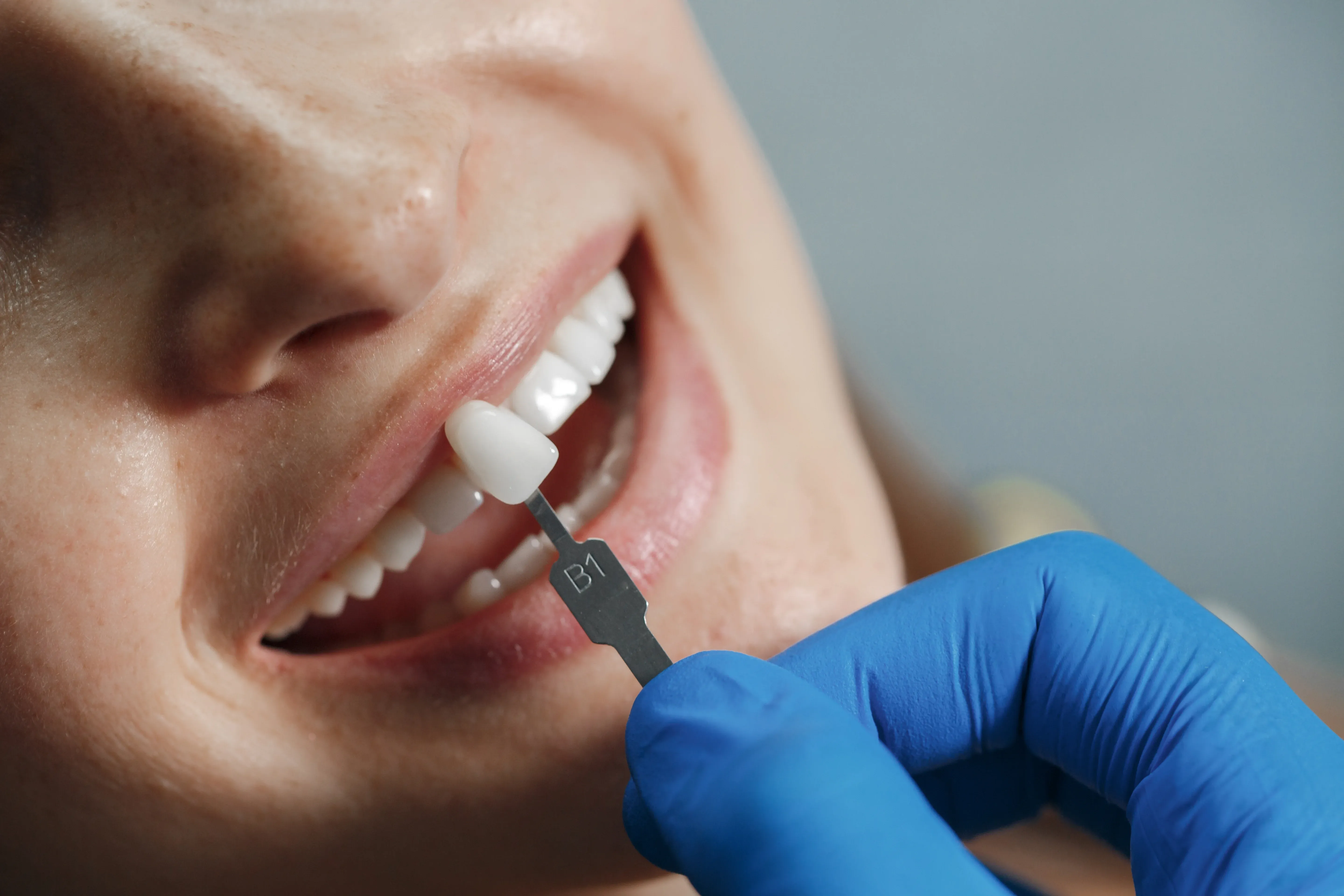
Professional teeth whitening works through the process of oxidation. Dental professionals use high-concentration peroxide gels that penetrate the enamel rods to break down the discolored molecules deep inside the tooth.
1. In-Office Power Whitening: This is the fastest method for patients seeking immediate results. Under the supervision of a dentist, a protective barrier is applied to the gums to prevent irritation. A high-strength bleaching gel is then applied to the teeth, often activated by a special light or laser to accelerate the chemical reaction. In just about an hour, teeth can become several shades lighter. This is ideal for individuals preparing for a wedding, interview, or special event.
2. Take-Home Professional Kits: For those who prefer a gradual approach, dentists provide custom-made trays. Unlike generic "boil-and-bite" trays, these are molded perfectly to your teeth, ensuring the gel stays in contact with the enamel and off the gums. The patient wears the trays with a professional-grade gel for a specified period (usually 1-2 weeks). This method offers excellent longevity and allows the patient to "top up" their whitening in the future.
Safety First: A common myth is that whitening damages enamel. When performed under professional guidance, whitening is safe. The "sensitivity" some patients feel is temporary and caused by the dehydration of the tooth during the process, not structural damage. Dentists can manage this with desensitizing agents.
Beyond Color: The Role of Porcelain Veneers
Whitening is effective for color, but it cannot change the shape or position of a tooth. For more complex aesthetic concerns—such as chips, cracks, severe intrinsic staining that resists bleaching, or gaps (diastema)—porcelain veneers are the solution of choice.
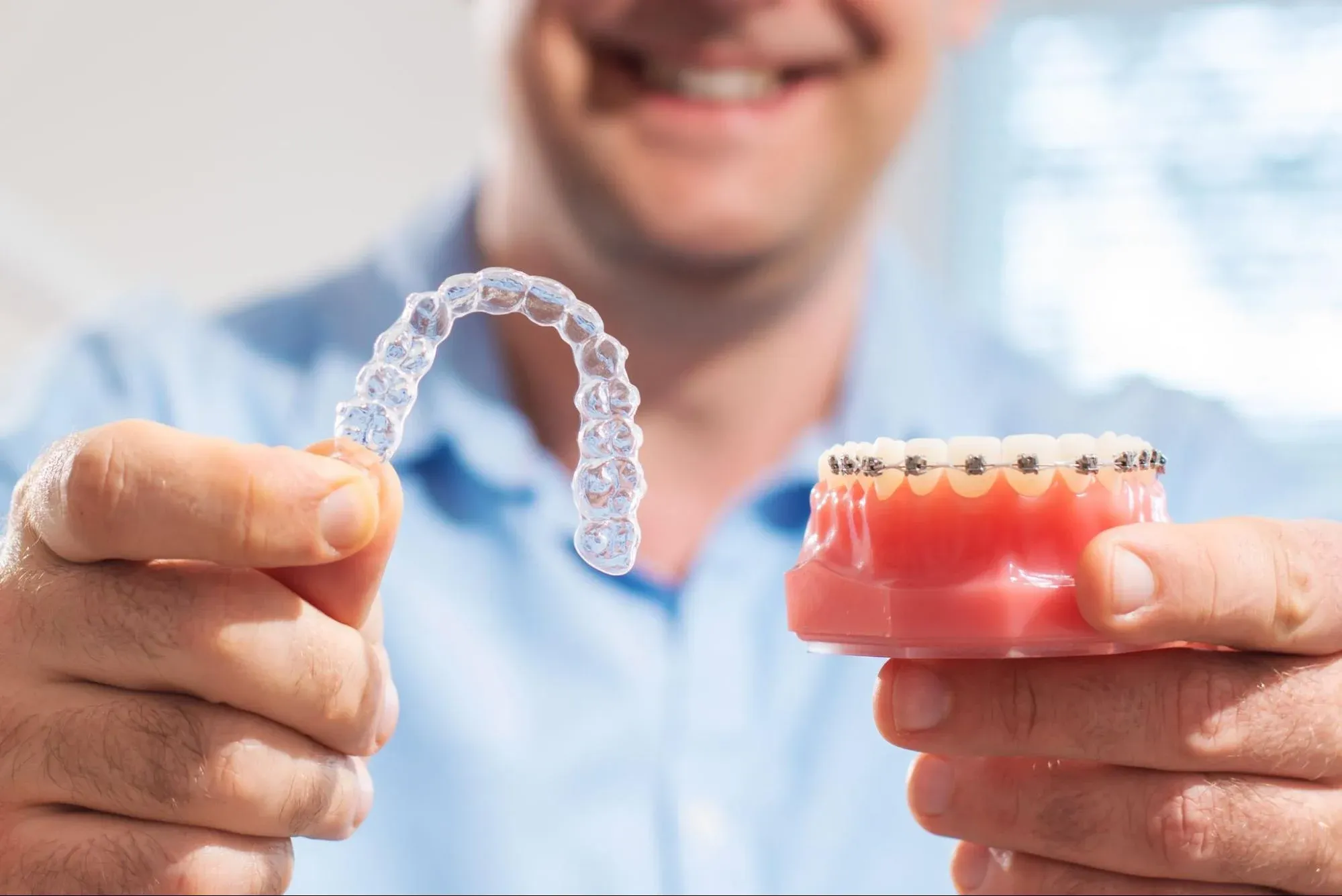
Veneers are wafer-thin, custom-made shells of ceramic designed to cover the front surface of teeth. They are often referred to as "instant orthodontics" because they can mask misalignment without years of braces.
-
The Material: Modern dental porcelain mimics the light-reflecting properties of natural teeth incredibly well. It is also highly resistant to staining, meaning your smile stays bright even if you drink coffee.
-
The Process: Traditional veneers usually require the removal of a tiny amount of enamel (less than a millimeter) to accommodate the shell. This ensures the veneer doesn't look bulky. The dentist then takes a digital impression, and a master ceramist hand-crafts the veneers.
-
Longevity: With proper care, veneers can last 10 to 15 years or longer, providing a durable and permanent aesthetic upgrade.
Dental Bonding: The Artistic Touch
For minor imperfections, composite bonding offers a less invasive and more cost-effective alternative to veneers. In this procedure, the dentist applies a tooth-colored resin material directly to the tooth and sculpts it by hand. It is then hardened with a curing light and polished to a shine.
Bonding is excellent for repairing a chipped edge, closing small gaps, or covering an exposed root. Because it usually requires no removal of natural tooth structure, it is a reversible and conservative treatment. While not as stain-resistant or long-lasting as porcelain, it is a fantastic option for younger patients or quick aesthetic fixes.
Digital Smile Design (DSD): The Blueprint of Beauty
One of the greatest fears patients have regarding cosmetic dentistry is the unknown. "What will I look like? Will it look fake?"
The era of guesswork is over, thanks to Digital Smile Design (DSD). This revolutionary protocol involves taking high-resolution photos and videos of the patient talking, smiling, and laughing. Using specialized software, dentists analyze the relationship between the teeth, the gums, the lips, and the facial features.
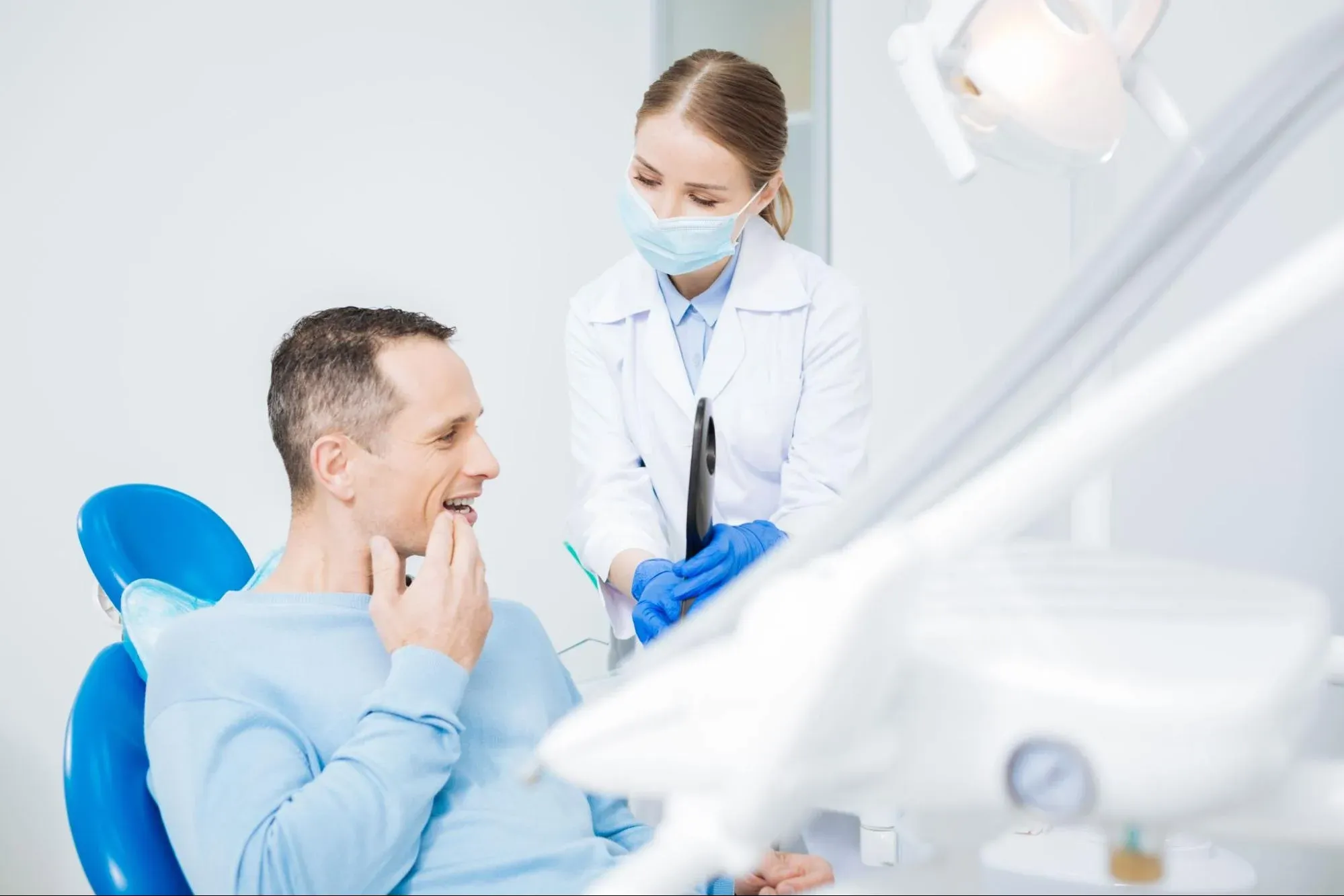
This technology allows the dentist to design a new smile that fits the patient's unique facial symmetry. More importantly, it allows the patient to see the end result before a single tooth is touched. In many cases, a "mock-up" can be placed in the patient's mouth, allowing them to "test drive" their new smile in the mirror. This collaborative process ensures that the final result meets the patient's emotional and aesthetic expectations.
Pink Aesthetics: The Frame of the Picture
A beautiful painting needs a beautiful frame. In dentistry, the "white aesthetics" (teeth) must be balanced by "pink aesthetics" (gums).
Some patients suffer from a "gummy smile," where excessive gum tissue covers the teeth, making them appear short or square. Using modern lasers, dentists can perform gingival contouring—a painless procedure that removes excess tissue and reshapes the gum line to reveal the full length of the tooth. Conversely, for patients with gum recession, grafting techniques can restore the gum line, reducing sensitivity and improving appearance.
The Intersection of Health and Beauty
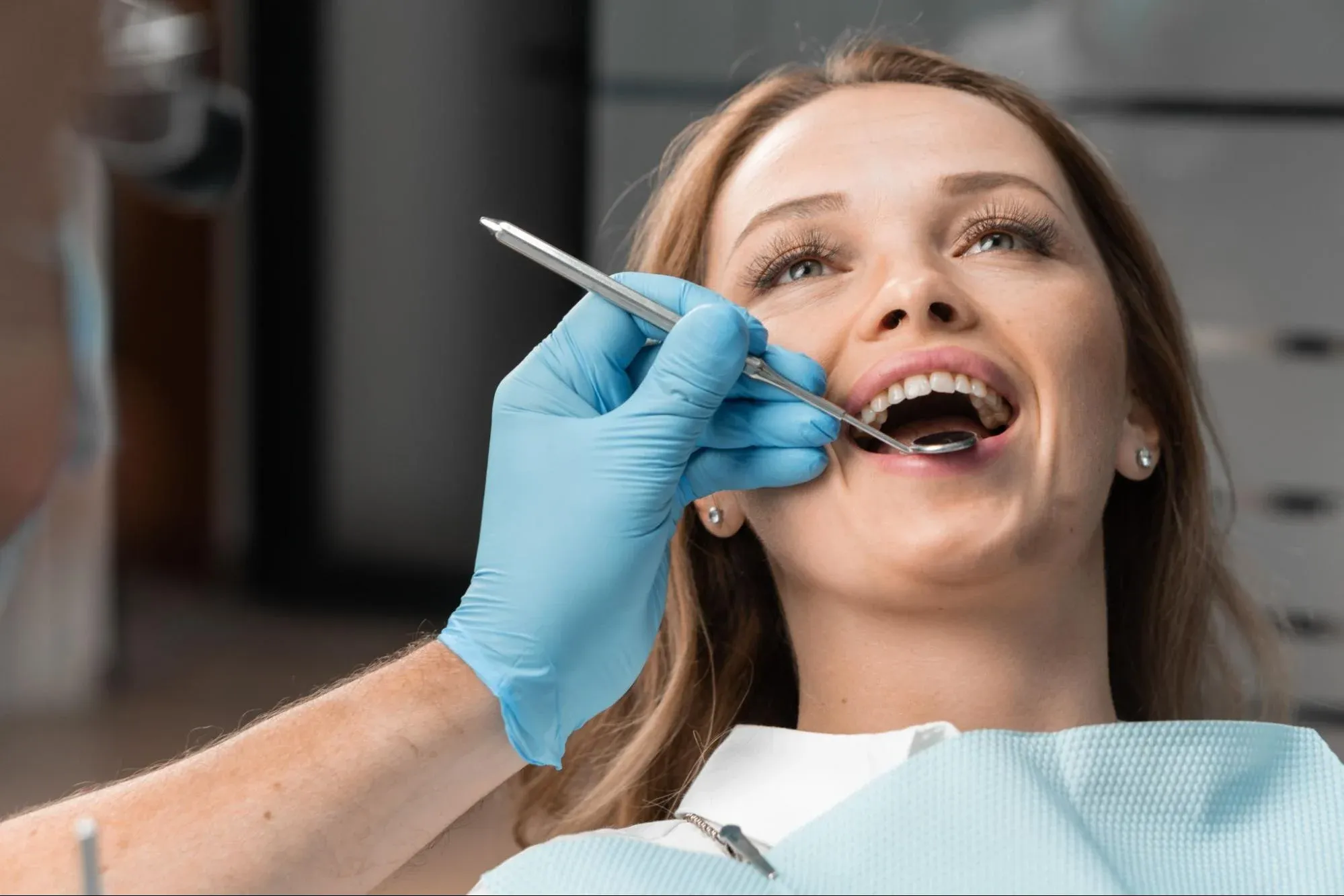
It is vital to understand that cosmetic dentistry is not a superficial layer applied over a crumbling foundation. A responsible cosmetic dentist will always prioritize oral health. Issues like gum disease (periodontitis) or active tooth decay must be resolved before any aesthetic work begins. Placing a veneer on a decayed tooth is a recipe for failure.
Furthermore, function is just as important as form. A smile makeover must account for the patient's "occlusion" (how the teeth bite together). If the bite is unbalanced, it can lead to chipped veneers, jaw pain, or TMJ disorders. Therefore, the best cosmetic treatments are those that also improve or maintain the proper function of the masticatory system.
Investing in Your Confidence
In today’s world, a healthy, attractive smile is a key component of social and professional interaction. Whether it is the subtle enhancement of professional whitening or the complete transformation of a veneer makeover, cosmetic dentistry offers solutions tailored to every need and budget.
The journey to a new smile is about more than just teeth; it is about reclaiming the freedom to express joy without hesitation. It requires a blend of top-tier medical expertise, artistic vision, and advanced technology. For those ready to explore the potential of their smile, İstinye University Dental Hospital combines academic excellence with state-of-the-art aesthetic protocols, ensuring that your journey to a brighter smile is safe, comfortable, and spectacularly effective.