Key Ways to Protect Your Oral and Dental Health
09/01/2026 16:10
14/08/2026 15:48
- The Chemical Shield: Fluoride and Remineralization
- The Physical Barrier: Dental Sealants
- Mechanical Protection: Mouthguards and Night Guards
- Nutritional Defense: Diet as Protection
- The Role of Saliva: The Body’s Natural Protector
- Regular Screening: The Protection of Early Detection
- Investing in Longevity
There is a saying in medicine: "Prevention is better than cure." This is especially true in dentistry. While we can repair broken teeth, replace missing ones, and treat infections, nothing matches the strength and health of your own natural teeth once they are lost.
"Protective dentistry" means using treatments, tools, and habits to prevent dental problems before they start. Instead of waiting to fix a cavity after it forms, the goal is to keep teeth strong so cavities do not develop. Knowing about these options helps patients take control of their health and see dental visits as a way to plan for a healthy future.
This guide explains the main ways modern dental care protects your teeth from daily challenges like bacteria, acids, and physical stress.
The Chemical Shield: Fluoride and Remineralization
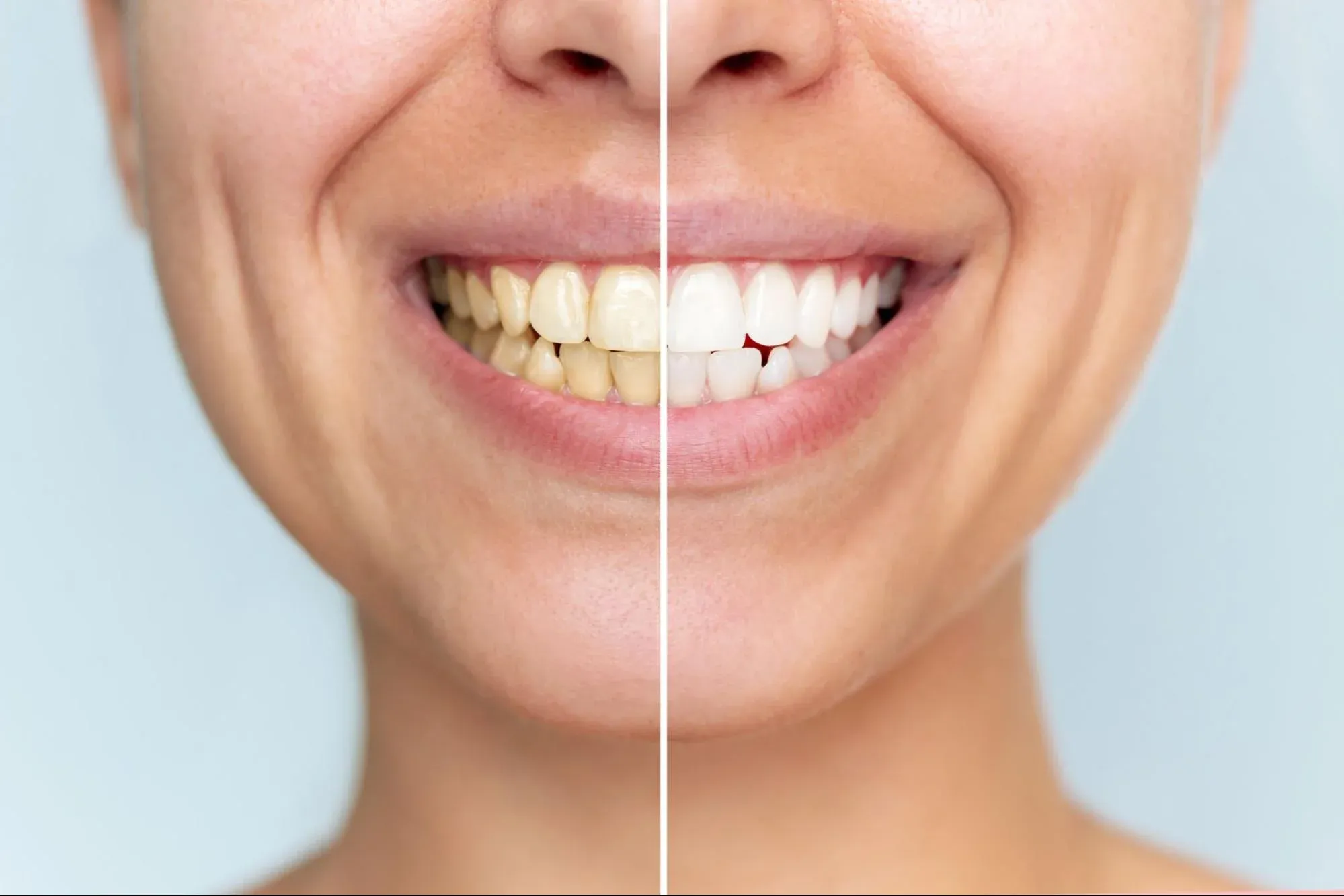
The enamel of your teeth is the hardest substance in the human body, yet it is constantly under chemical attack. Every time you eat or drink, bacteria in your mouth produce acids that strip minerals (calcium and phosphate) from the enamel surface. This process is called demineralization. If left unchecked, the enamel becomes porous and eventually collapses, forming a cavity.
This is where fluoride, often called "nature's cavity fighter," becomes the primary chemical protector for your teeth.
How Fluoride Works: Fluoride works like a builder fixing a wall. It soaks into weak enamel and helps replenish calcium and phosphate at the tooth surface, a process called remineralization. The new enamel structure, called fluorapatite, is stronger and more acid-resistant than the original.
Topical Fluoride Applications: While fluoride in toothpaste is essential for daily maintenance, professional fluoride treatments provide a high-concentration surge of protection.
-
Varnishes and Gels: Dentists apply these strong fluoride treatments, which are especially helpful for children with growing teeth, adults who often get cavities, or people with dry mouth (xerostomia).
-
Silver Diamine Fluoride (SDF): A newer protective agent, SDF not only strengthens the tooth but also kills bacteria and instantly halts the progress of active cavities. It is an excellent non-invasive option for children or elderly patients.
The Physical Barrier: Dental Sealants
If you feel your back teeth with your tongue, you will notice deep grooves and pits. These areas are where cavities often start, especially in kids and teens. This happens because toothbrush bristles are usually too thick to clean out these tiny spaces.
Dental sealants provide a simple way to protect these hard-to-clean areas.
The "Raincoat" for Teeth:
A sealant is a thin, liquid plastic coating that a dentist puts on the chewing surfaces of your molars. It fills the deep grooves and hardens under a special light, creating a smooth surface that keeps out food and plaque.
-
Seal: Who Needs Them? Dentists usually apply sealants to children's permanent molars when they first come in, around ages 6 and 12. Adults with deep grooves and no cavities can also benefit from sealants.is painless, requires no drilling or anesthesia, and takes only a few minutes per tooth. Yet this simple layer can reduce the risk of molar decay by nearly 80%.
Mechanical Protection: Mouthguards and Night Guards
Not all threats to your teeth are from bacteria. Physical forces, like a hit during sports or the pressure from grinding your teeth, can also cause serious damage.
1. Sports Mouthguards: Dental injuries are rampant in contact sports. A blow to the face can result in chipped teeth, root fractures, lip lacerations, or even jaw fractures.
-
Custom vs. Store-Bought: While "boil-and-bite" guards from sporting goods stores offer some protection, they are often bulky and loose. A customCustom vs. Store-Bought: "Boil-and-bite" mouthguards from stores give some protection, but they can be bulky and may not fit well. A custom mouthguard made by a dentist fits your teeth exactly and absorbs shocks better. It spreads the force of a hit across your jaw, helping prevent serious injury to one tooth. It also protects your lips and cheeks from cuts.
-
The Consequence: Over time, grinding wears down enamel, causes tiny cracks, can harm the jaw joint (TMJ), and may lead to ongoing headaches.
-
The Protection: A custom night guard is a hard acrylic device worn over the upper or lower teeth. It prevents the teeth from touching, protecting the enamel from wear and alleviating strain on the jaw muscles.
Nutritional Defense: Diet as Protection
People usually think about diet for weight or heart health, but what you eat also protects your teeth. Good nutrition for your mouth means more than just avoiding sweets; it is about making smart food choices.
The Frequency Factor: The key idea is the "acid attack" cycle. Every time you eat sugars or starches, the acid level in your mouth rises and starts to weaken enamel. It takes about 30 minutes for saliva to balance the acid again.
-
Snacking: If you snack constantly throughout the day, your teeth are under perpetual acid attack. "Protective eating" means limiting frequency. Eat three main meals and minimize grazing.
Protective Foods:
-
Cheese and Yogurt: These foods are high in calcium and phosphates, which help build strong teeth and keep the mouth's acid levels balanced.
-
Crunchy Vegetables: Foods like carrots, celery, and apples work like "nature's toothbrush" by scrubbing your teeth and helping you make more saliva.
-
Water: Drinking water, especially after eating, helps wash away food and acids from your mouth.
The Role of Saliva: The Body’s Natural Protector
Saliva plays a key role in oral health. It contains minerals, electrolytes, and antibodies. Saliva helps wash away food, neutralizes harmful acids from bacteria, and supplies calcium to repair early tooth damage.
Managing Dry Mouth: When saliva flow decreases (due to medications, aging, or radiation therapy), the teeth lose their natural protection, leading to rapid and rampant decay. Protective measures for these patients include:
-
Using saliva substitutes or moisturizing gels.
-
Chewing sugar-free gum with Xylitol. Xylitol is a natural sweetener that bacteria cannot digest. It inhibits bacterial growth and stimulates saliva production, offering a dual layer of protection.
Regular Screening: The Protection of Early Detection
One of the best ways to protect your teeth is by staying informed. Regular dental check-ups are not just for cleaning; they help catch problems early.
-
Digital X-rays: These let dentists see between your teeth, where they cannot look directly. They can find decay when it is still very small and often treat it with fluoride instead of a filling.
-
Oral Cancer Screening: Oral cancer is dangerous if found late. Regular screenings during dental visits can find early signs and help protect your health.
-
Gum Monitoring: Checking gum pockets helps prevent tooth loss by finding gum disease before it damages the bone.
Investing in Longevity
The concept of protective dentistry represents a shift in responsibility. It moves the patient from being a passive recipient of repairs to an active participant in their own health preservation. By utilizing chemical shields like fluoride, physical barriers like sealants, and mechanical guards against trauma, you are essentially taking out an insurance policy on your smile.
These protective steps are usually simple, gentle, and affordable, especially compared to the complicated treatments needed if problems develop. Even a healthy mouth needs extra support. Whether you use a night guard to prevent grinding or a sealant for a child's new tooth, these small actions can make a big difference over time. If you want strong protection for your oral health, İstinye University Dental Hospital offers a full range of preventive services with the latest technology to keep your smile healthy and bright.