Understanding and Treating Jaw Fractures
09/01/2026 16:00
14/08/2026 14:29
- The Anatomy of Vulnerability: Mandible vs. Maxilla
- Recognizing the Signs: Is My Jaw Broken?
- The Diagnostic Pathway: Precision Imaging
- Treatment Modalities: From Wiring to Rigid Fixation
- The Recovery Phase: Life on a Liquid Diet
- Complications and Long-Term Outlook
- Prevention: A Note on Safety
- Restoring Function and Facial Harmony
Facial trauma is upsetting and affects more than just your body; it can impact how you see yourself and how you communicate. Of all facial injuries, a broken jaw is especially serious and can disrupt daily life. Jaw fractures can occur during sports, car accidents, or falls and require prompt, expert care. Unlike a broken arm, which can be put in a cast, a fractured jaw changes how you talk, eat, breathe, and connect with others.
Learning about jaw fractures, which doctors call mandibular or maxillary fractures, is the first step to healing. The face is made up of many bones, muscles, nerves, and blood vessels. Fixing a jaw fracture is not just about healing the bone; it also means making sure your bite is balanced and your face looks the same as before. This article explains what causes jaw fractures, their symptoms, and the main treatment options, to help guide you through recovery.
The Anatomy of Vulnerability: Mandible vs. Maxilla
To understand fractures, one must understand the face's architecture. The jaw is comprised of two main parts:
-
The Mandible (Lower Jaw): This is the only bone in your face that moves. It holds your lower teeth and connects to your skull at the temporomandibular joints (TMJ). Because it sticks out and moves, the mandible is the facial bone most likely to break after the nose. Its "U" shape means that a hit on one side often causes a second break on the other side.
-
The Maxilla (Upper Jaw): This bone does not move and forms the middle part of your face. It holds your upper teeth, the roof of your mouth, and the bottom of your sinuses. Breaks in this bone, called Le Fort fractures, usually happen after a substantial impact and can also affect the nose and eye sockets.
The severity of a fracture can range from a hairline crack that heals with rest to a complex "comminuted" fracture where the bone is shattered into multiple pieces, requiring intricate surgical reconstruction.
Recognizing the Signs: Is My Jaw Broken?
Right after an accident, adrenaline can hide pain, so it may be hard to know how badly you are hurt. Still, jaw fractures have certain signs that set them apart from simple bruises or soft tissue injuries.
-
Malocclusion (The Bite Feels "Off"): This is the main sign of a jaw fracture. If your teeth do not fit together as they usually do when you close your mouth, or if they feel like they are floating, it likely means the bone has moved out of place.
-
Trismus (Restricted Movement): Inability to open the mouth, either partially or not at all, is a common sign. This can be due to pain, muscle spasm, or a physical blockage caused by a depressed bone fragment.
-
Numbness (Paresthesia): The lower jaw contains a nerve that gives feeling to your lower lip and chin. If a fracture presses on or cuts this nerve, you may lose feeling in your chin or lip. This is a warning sign and means you should get checked right away.
-
Step Deformity: Sometimes, you can feel a bump or uneven spot along your jaw where the bone has moved out of place.
-
Intraoral Bleeding: Bleeding around the gum line without direct trauma to the teeth themselves can suggest a fracture in the underlying bone.
The Diagnostic Pathway: Precision Imaging
Diagnosing a jaw fracture requires clear images to assess the extent of the damage. A physical exam provides some clues, but regular dental X-rays, such as a panoramic radiograph, are the first step. These X-rays show the whole jaw and help doctors find any breaks.
For more serious injuries, especially those involving the upper jaw or jaw joint, a CT scan is the best test. It gives a 3D view of your facial bones, so doctors can see the fracture from all sides, check if any pieces have moved, and look for other injuries. This detailed view is important for planning surgery.
Treatment Modalities: From Wiring to Rigid Fixation
The main goal in treating any broken bone is to keep the pieces in place so they can heal. For jaw fractures, this means making sure your teeth line up just right. Even a slight misalignment can cause long-term pain or trouble chewing.
1. Closed Reduction (Non-Surgical Approach). Not every jaw fracture needs surgery.
If the bone has not moved much, or in some cases with children, doctors may choose "Maxillomandibular Fixation" (MMF), which means wiring the jaws shut.ws shut.
-
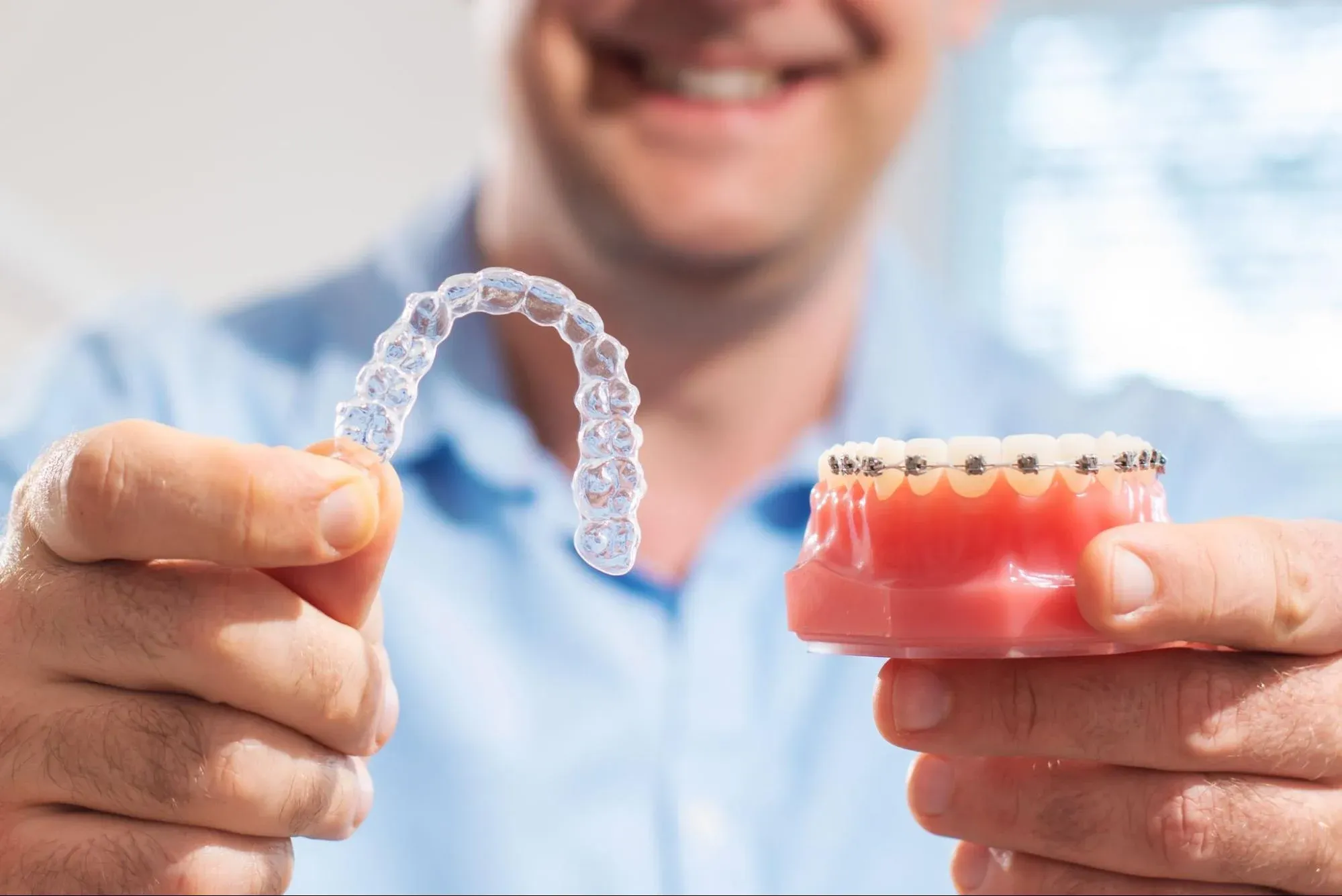
The Process: Arch bars (metal braces) are attached to the upper and lower teeth, and elastic bands or wires are used to connect them. This immobilizes the jaw, using the upper teeth as a splint for the lower teeth.
-
The Duration: Patients typically remain wired for 4 to 6 weeks. While effective, this method is demanding on the patient, requiring a strict liquid diet and carrying a risk of joint stiffness after removal.
2. Open Reduction and Internal Fixation (ORIF)
Today, most surgeons use this method for fractures where the bone has moved, because it helps patients recover and use their jaw sooner.
-
The Procedure: The surgeon cuts, usually inside the mouth to prevent facial scars, to reach the broken bone. The bones are then moved back into the correct position by hand.
-
The Hardware: Titanium plates and screws are used to rigidly secure the bone segments. Titanium is biocompatible and lightweight. The Hardware: Titanium plates and screws are used to hold the bone pieces firmly in place. Titanium is safe for the body and lightweight. It is only for a very short period (a few days). This allows for better hygiene, speech, and nutrition during the healing phase.
The Recovery Phase: Life on a Liquid Diet
Recovering from a jaw fracture is a test of patience. Whether treated surgically or non-surgically, the jaw cannot withstand the force of chewing for several weeks.
Nutritional Challenges: Patients must transition to a high-calorie liquid or "non-chew" soft diet. This is not just soup and smoothies; it requires planning to ensure you consume enough protein and vitamins to support bone knitting. Blenders become essential appliances. Meal replacement shakes and pureed foods are staples. Weight loss is common, so caloric intake must be monitored closely.
Oral Hygiene: It is very important to keep your mouth clean, even when it is swollen or wired shut. Infections at the fracture site are serious and can slow healing. Patients are given antiseptic mouth rinses and shown how to gently clean around wires or stitches with soft toothbrushes or water flossers set to a low pressure.
Physiotherapy: After the bone heals, your jaw muscles may feel weak and stiff. Rehab includes gentle stretching exercises to help you open your mouth fully again. This step is important to avoid lasting stiffness or jaw joint problems.
Complications and Long-Term Outlook
While the prognosis for jaw fractures is generally excellent, complications can occur.
-
Infection: As mentioned, the mouth is full of bacteria. Antibiotics are standard protocol, but poor hygiene or smoking can increase infection risk.
-
Nerve Damage: While numbness usually resolves as the nerve heals (which can take months), in some severe fractures, sensation in the lip or chin may be permanently altered.
-
Malunion/Non-union: If the bones shift while healing, they might heal in the wrong place (malunion) or not heal together at all (non-union). This may mean another surgery is needed.
Prevention: A Note on Safety
While accidents are unpredictable, the severity of jaw fractures is often mitigated by safety gear. Full-face helmets for motorcyclists and mouthguards for athletes in contact sports (boxing, rugby, basketball) are the most effective preventive measures. A mouthguard acts as a shock absorber, distributing the force of a blow and protecting not just the teeth, but the jawbone itself.
Restoring Function and Facial Harmony
A broken jaw is a serious injury that can change your daily routine, but thanks to modern surgery, recovery is usually straightforward. Treatment aims to fix the bones and help you use your jaw normally again. Patients who carefully follow their diet and cleaning instructions after surgery typically get back to normal within a few months.
Treating facial injuries takes a team that knows both the details of facial surgery and how the teeth fit together. At İstinye University Dental Hospital, patients with trauma-related injuries receive expert surgical care and personal attention, making sure every fracture is treated carefully to restore their smile and confidence.