What Ethics, Standards, and Codes Mean in Dentistry
09/01/2026 16:12
14/08/2026 15:36
- The Educational Odyssey: Earning the White Coat
- The Ethical Compass: "Primum Non Nocere"
- The Invisible Shield: Infection Control and Safety Protocols
- Patient Rights and Data Privacy
- The Role of Regulatory Bodies
- Navigating Commercialism vs. Care
- The Future of the Profession: Digital Ethics
- Building a Relationship Based on Trust
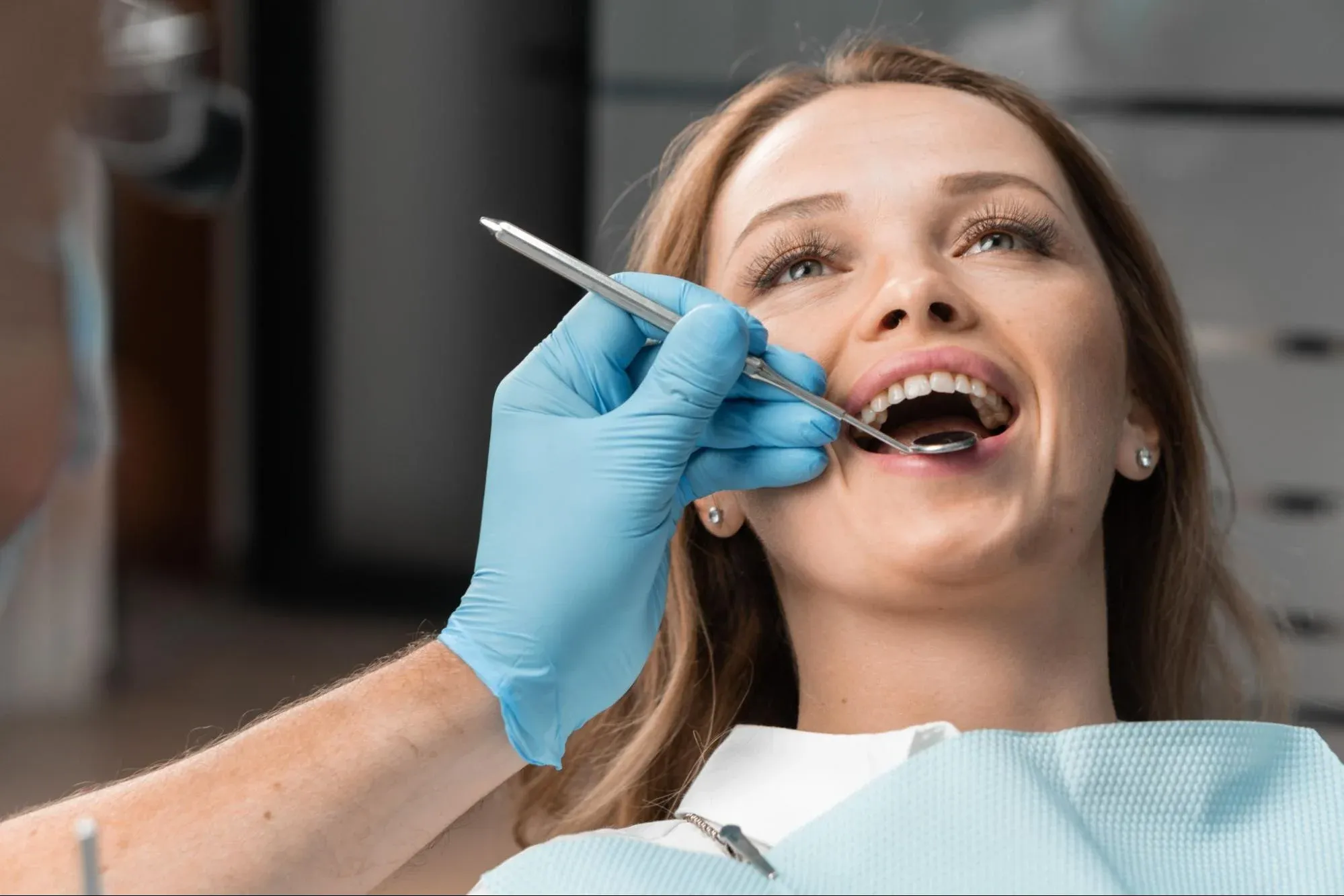
For most people, a dental visit means the bright lights, the sound of tools, the numbness from anesthesia, and the relief when the pain is gone. Few stop to think about the systems that make these visits safe. Dentistry is not just about skill or knowledge; it is a tightly regulated field with strict ethical standards, legal duties, and safety requirements. What is it like for you as a patient? Dentistry involves invasive procedures performed on one of the most sensitive and vital parts of the human body. Trust is the currency of this relationship. Understanding the rigorous journey a dentist takes to earn their title and the stringent regulations they must follow daily transforms that trust from "blind faith" into informed confidence. This article pulls back the curtain on the dental profession, exploring codes of conduct, educational mandates, and patient rights that ensure the safety and quality of your care.
The Educational Odyssey: Earning the White Coat
Becoming a dentist takes years of challenging academic and clinical work. It is one of the toughest and most competitive paths in healthcare. In many places, such as Turkey and Europe, dental school is a five-year university program that combines medical science classes with practical surgical training.
Dental students learn much more than just teeth. They study the whole body, including anatomy, physiology, medicine, and more, because oral health affects overall health. In their final years, they treat real patients under close supervision by professors.
The Era of Specialization: The profession has evolved far beyond the "jack-of-all-trades" model. Today, regulations clearly define specialized fields. After their initial five-year degree, many dentists embark on another 3 to 4 years of doctoral or specialization training (PhD or Residency) to become experts in specific areas:
-
Orthodontists: Masters of moving teeth and aligning jaws.
-
Endodontists: Specialists in saving teeth through root canal therapy.
-
Oral and Maxillofacial Surgeons: Experts in complex surgeries, implants, and trauma.
-
Periodontists: Guardians of the gums and bone.
-
Pedodontists: Specialists dedicated to children's dental health.
This tiered system of education ensures that when you have a complex problem, there is a professional with the specific depth of knowledge required to solve it, and that board certifications regulate this professional.
The Ethical Compass: "Primum Non Nocere"
Dentists, like doctors, follow the rule of 'First, not harm.' But dental ethics go further than just avoiding harm. Dentists must follow a Code of Ethics that sets clear rules for their treatment of patients. These are not just suggestions; they are rules that must be followed.
1. Patient Autonomy (Informed Consent): In the past, doctors might have acted without explaining much. Now, ethical rules require dentists to get your informed consent. Before any procedure, whether simple or complex, the dentist must legally explain:
-
The Diagnosis: What is wrong?
-
The Treatment: What do they plan to do?
-
The Alternatives: What are the other options (including doing nothing)?
-
The Risks: What could go wrong?
-
The Cost: What is the financial implication?
This rule makes sure that you, as the patient, have the final say about your own care.
2. Beneficence and Non-Maleficence: The dentist has a duty to act for the benefit of the patient. This means keeping skills up-to-date. The field of dentistry changes rapidly with new technologies (lasers, digital scanners, 3D printing). Codes of conduct often require Continuing Professional Development (CPD). A dentist cannot rely on what they learned 20 years ago; they are ethically bound to be lifelong learners to provide the best possible care.
The Invisible Shield: Infection Control and Safety Protocols
Hygiene is one of the most important and visible areas of dental regulations. Dental clinics follow strict infection control rules set by the Ministry of Health and groups like the CDC and WHO.
The Sterilization Cycle: There are strict rules for cleaning dental tools. Simply washing them is not enough.
-
Disinfection: Instruments are chemically cleaned to remove debris.
-
Packaging: They are sealed in sterilization pouches.
-
Autoclaving: They are subjected to high-pressure saturated steam at 121°C or 134°C. This kills every form of microbial life, including viruses, bacteria, and spores.
Cross-Contamination Prevention: The "universal precautions" code assumes that every patient could potentially carry an infectious disease. Therefore, the same high standard of protection applies to everyone. This includes single-use barriers (gloves, masks, surface covers), high-volume suction to reduce aerosols, and the proper disposal of hazardous waste (sharps and chemicals). When you see a dentist unwrap a sealed kit of instruments, you are witnessing a regulatory code in action, designed solely for your protection.
Patient Rights and Data Privacy
In the digital age, a patient's X-rays, photos, and medical history are sensitive data. The dental profession is strictly bound by data protection laws (such as KVKK in Turkey or GDPR in Europe).
-
Confidentiality: Your dental records are private legal documents. Dentists cannot share your treatment details with anyone else, including your employer or family, unless you give clear permission.
-
Access to Records: The rules also say your medical records belong to you. You can ask for copies of your X-rays or files if you want to change dentists or get another opinion. This openness is a key part of patient-focused care.
The Role of Regulatory Bodies
Who oversees dentists? While the dental profession has some self-regulation, it is mainly supervised by government and professional groups like Dental Chambers or the Ministry of Health.
These bodies are responsible for:
-
Licensing: Ensuring only qualified individuals can practice.
-
Auditing: Regularly inspecting clinics to ensure physical standards are met (radiation safety for X-ray machines, ventilation, and sterilization equipment).
-
Disciplinary Action: If a dentist violates ethical codes or provides substandard care, these bodies have the power to suspend or revoke a dentist's license. This accountability ensures that the title of "Dentist" carries weight and reliability.
Navigating Commercialism vs. Care
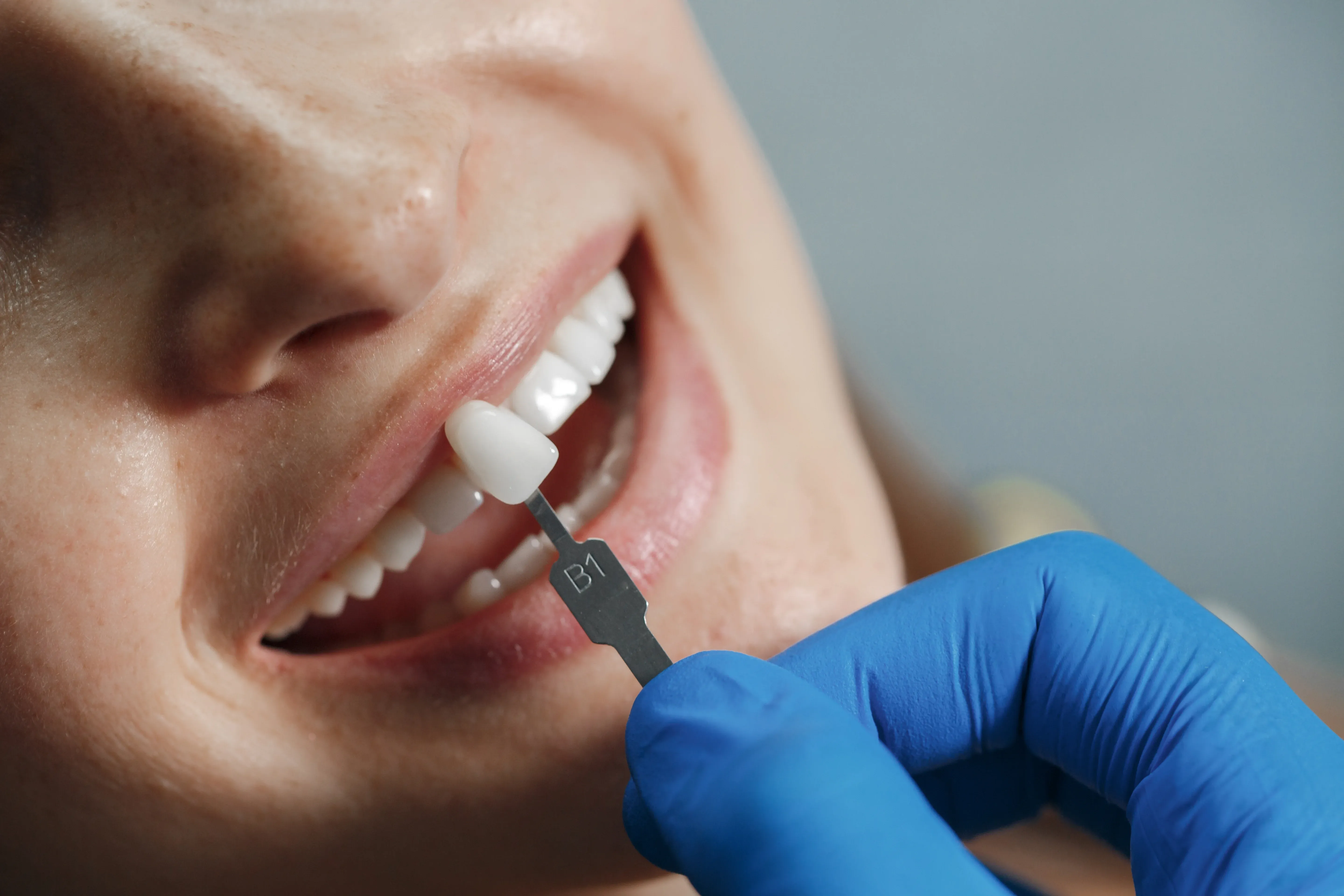
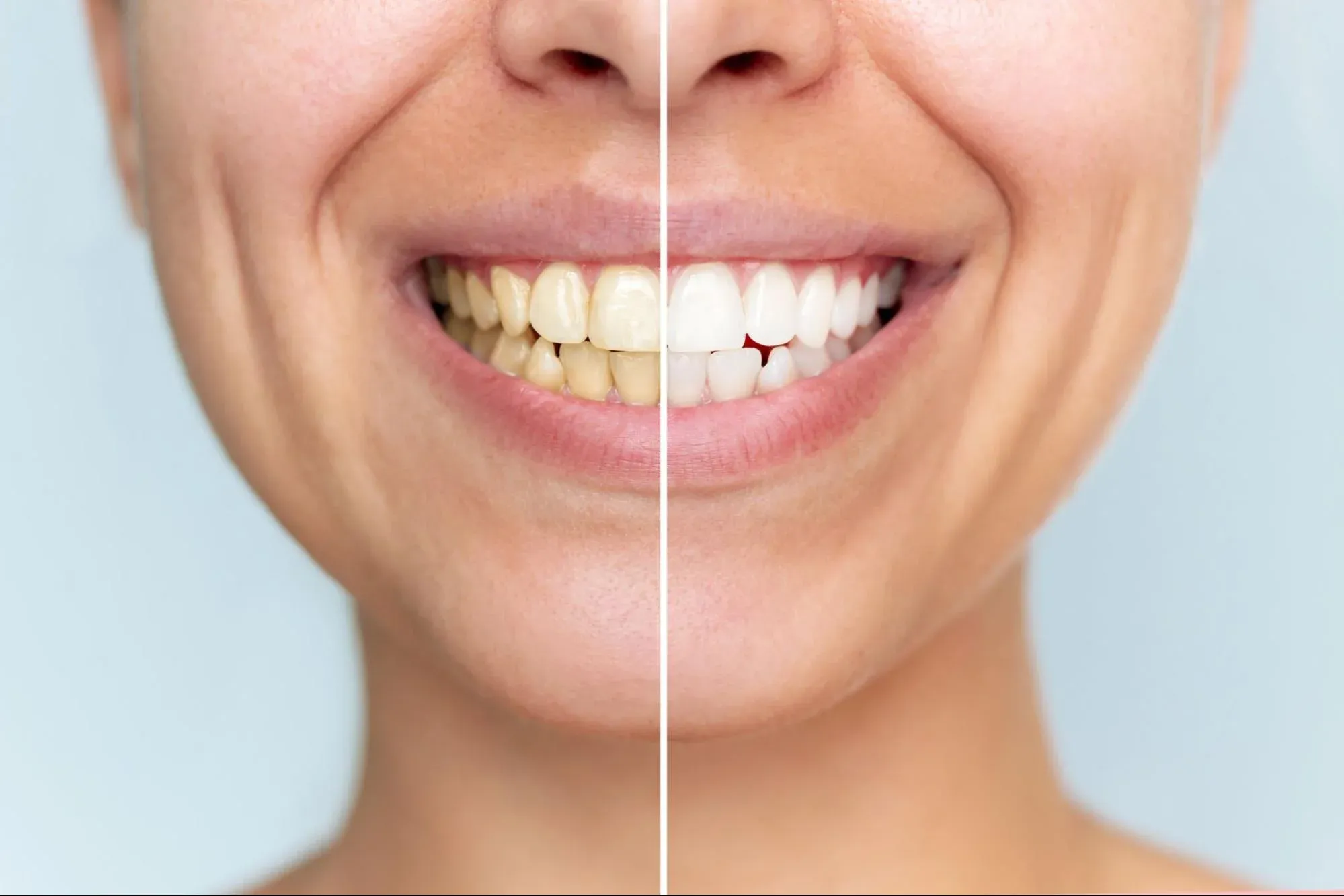
We live in an era of intense marketing. Social media is flooded with "Hollywood Smile" transformations and discount offers. Here, the ethical codes of the dental profession play a crucial protective role.
There are strict rules about how dentists can advertise. Ethical dentists cannot make false promises, guarantee results, or use scare tactics. The patient's health must always come before selling cosmetic treatments.
For example, an ethical dentist will not put veneers on someone with gum disease or remove healthy tooth structure just because a patient asks. The rules say health comes before looks. This honesty is what makes a dentist a true healthcare professional, not just a salesperson.
The Future of the Profession: Digital Ethics
With new tools like Artificial Intelligence (AI) and tele-dentistry, dental rules are changing too. AI can help spot cavities or design crowns, but only a dentist can make the final call. The human side of empathy, judgment, and ethics cannot be replaced by machines. Technology is there to support care, not to take away the dentist-patient connection.
Building a Relationship Based on Trust
The dental profession is unique. It requires the precision of a jeweler, the knowledge of a physician, and the empathy of a counselor. The extensive web of regulations, from the arduous years of university education to the daily checklists of sterilization and the legal frameworks of patient consent, has one singular purpose: to create a safe environment where healing can happen.
When you see how many rules guide your dentist, you know your safety is the main focus, not just an extra. This lets you relax, knowing there are systems in place to protect you during your visit.
Dental care works best as a partnership built on openness and respect. If you want care where high standards are truly valued, İstinye University Dental Hospital is dedicated to top-quality treatment, strong ethics, and academic excellence.