Your Guide to General Oral and Dental Health
09/01/2026 16:06
14/08/2026 15:40
For a long time, people saw oral health as separate from the rest of their medical care. They would go to the doctor for their heart or lungs, and only visit the dentist if they had a toothache. Today, we know that the mouth is closely connected to the rest of the body and can reflect our overall health.
Good oral and dental care is the basis for overall health. While a bright smile and fresh breath are nice, the real goal is to keep your body in balance, prevent inflammation, and stop diseases before they begin. This guide will break down the key parts of dental care and explain the routines and treatments that help keep you healthy.
The Systemic Connection: Why Oral Health Matters
To see why oral hygiene matters, it helps to know about the "oral-systemic link." The mouth is full of bacteria. Most are harmless, but some can cause problems. Without proper oral care, these bacteria can lead to tooth decay and gum disease, and the risks extend beyond your mouth.
Research has established compelling links between oral health and severe systemic conditions:
-
Cardiovascular Disease: Inflammation and infections in the mouth have been linked to clogged arteries and stroke. Bacteria from the gums can enter the bloodstream and attach to fatty plaques in the heart's blood vessels.
-
Diabetes: It is a two-way street. Diabetes reduces the body's resistance to infection, increasing the risk of gum disease. Conversely, severe gum disease (periodontitis) can make it more difficult to control blood sugar levels.
-
Pregnancy Complications: Periodontitis has been linked to premature birth and low birth weight.
-
Respiratory Infections: Bacteria can be inhaled from the throat into the lungs, potentially causing pneumonia, especially in vulnerable individuals.
So, taking care of your teeth is not just about keeping them healthy, it also helps protect your overall health.
The Enemy: Understanding Plaque and Tartar
The main goal of dental care is to control plaque, a sticky, colorless layer of bacteria that forms on your teeth. When plaque mixes with the starches and sugars in your food, it creates acids.
If plaque is not removed daily, two things happen:
-
Cavities: The acids attack the tooth enamel, breaking it down and creating holes.
-
Tartar (Calculus): If plaque is not removed, it hardens into tartar. You can't brush tartar away. It makes your teeth rough, attracts more plaque, and can cause your gums to recede, leading to gingivitis, an ongoing inflammation.
The First Pillar: Mastery of Home Care
Preventive dentistry begins in the bathroom. While professional care is vital, the 363 days a year you don't see your dentist are the most critical.
1. The Art of Brushing Most people brush their teeth, but few do it correctly. The "scrubbing" motion (back-and-forth like a saw) is outdated and can actually damage gums and erode enamel.
-
Technique: Use the Modified Bass Technique. Hold the brush at a 45-degree angle to the gums. Use short, circular, vibrating strokes. This cleans the tooth surface and, crucially, the sulcus (the pocket between the tooth and gum).
-
Tools: Use a soft or ultra-soft toothbrush. Stiff bristles can damage your teeth and gums. Electric toothbrushes are a good choice because they move consistently and often have timers to help you brush for two minutes.
-
Frequency: Brush your teeth twice a day, in the morning and at night. Brushing before bed is especially important because your mouth makes less saliva while you sleep, so your teeth are more at risk if food is left behind.
2. Interdental Cleaning: Flossing: Many people ask, "Do I really have to floss?" The answer is yes. Your toothbrush only cleans about 60% of your teeth. Flossing gets into the tight spaces where cavities often begin.
-
You can use string floss, interdental brushes, or a water flosser—the important thing is to clean between your teeth every day. If you skip these areas, you leave a big part of your mouth uncleaned.
3. Tongue Cleaning and Mouthwash: Your tongue holds a lot of bacteria. Gently brushing it or using a tongue scraper helps remove debris and is the best way to fight bad breath. Mouthwashes with fluoride or antibacterial agents can help reduce bacteria and strengthen your teeth, but they should not replace brushing and flossing.
The Second Pillar: The Professional Standard
Even if you take great care of your teeth at home, you still need to see a dental professional. Most experts suggest visiting the dentist every six months for a check-up and cleaning.
Professional Cleaning (Scaling and Polishing): No matter how well you brush, you can't remove tartar once it forms. During a dental cleaning, the hygienist or dentist uses special tools to remove hard deposits above and below your gums. This helps prevent gum problems and bone loss. Afterward, your teeth are polished to remove stains and make it harder for plaque to stick.
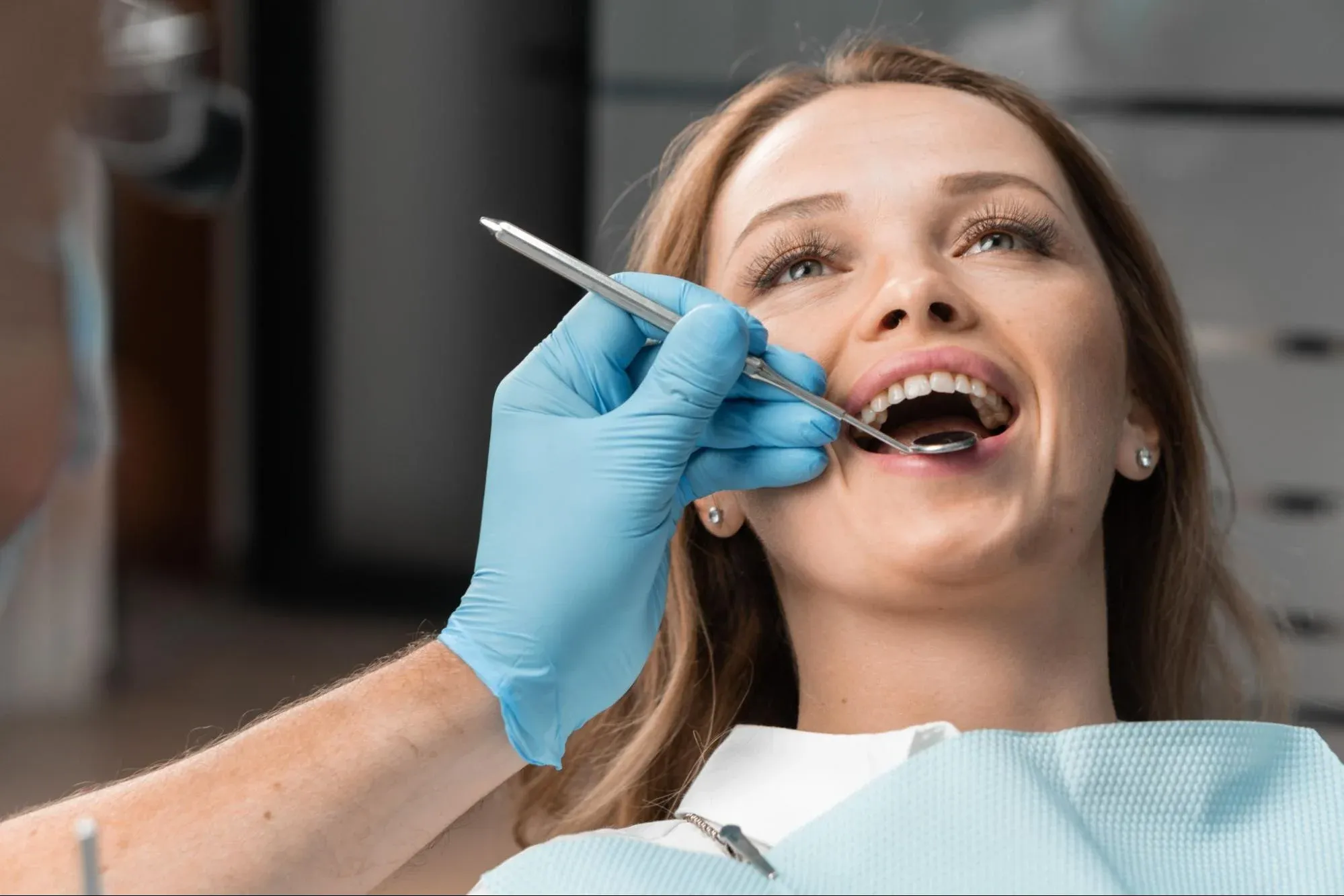
The Diagnostic Examination: A dental check-up is a careful look at your mouth to spot any problems early.
-
Visual Exam: The dentist checks for soft spots on enamel. Visual Exam: The dentist looks for soft spots that could mean decay, signs of teeth grinding, and checks the health of your gums and other soft tissues. The depth of the pockets between your gums and teeth. Healthy pockets are 1-3mm. Anything deeper indicates gum disease. Digital Radiography (X-Rays): Some dental problems can't be seen just by looking. X-rays help find decay between teeth, infections, bone loss, and teeth that haven't come in properly. Modern digital X-rays use very little radiation and give quick results.
-
Oral Cancer Screening: This is one of the most essential parts of your dental visit. The dentist checks your tongue, lips, throat, and neck for any unusual lumps, patches, or sores. Finding oral cancer early makes treatment much more effective.
Nutrition and Lifestyle: The Invisible Toothbrush
What you eat and drink matters just as much as how you clean your teeth.
-
Sugar Frequency vs. Quantity: It's not just how much sugar you eat, but how often. Each time you have sugar, bacteria make acid for 20-30 minutes. Sipping a sugary drink for hours keeps your teeth under attack. It's better to eat sweets all at once than to snack on them throughout the day.
-
Hydration: Water is the best natural cleanser. Drinking water, especially if it has fluoride, helps wash away food and neutralize acids in your mouth.
-
Tobacco: Smoking or chewing tobacco is the biggest risk for gum disease and oral cancer. Quitting is the best thing you can do for your oral health.
Protecting the Future: Preventive Treatments
Dentists also use preventive treatments to help protect your teeth from decay.
-
Dental Sealants: These are thin plastic coatings put on the chewing surfaces of your back teeth, which have deep grooves that can trap food. Sealants act as a barrier to keep bacteria out. They're often used for kids, but adults can benefit too.
-
Fluoride Treatments: Professional fluoride varnishes have much more fluoride than regular toothpaste. They help repair early signs of decay and can stop cavities from forming.
A Lifelong Commitment to Self-Care
We usually don't think much about our teeth until they hurt. We rely on them every day to eat, talk, smile, and show how we feel. Taking care of your teeth isn't just another task—it's about keeping one of your body's hardest-working systems in good shape. It takes teamwork between you and your dentist, with daily care at home and regular check-ups.
When we focus on preventing problems instead of just fixing them, we can keep our natural teeth for life. This not only saves money on dental work but also helps protect your heart and overall health. A healthy mouth is essential for a healthy life. If you're looking for support on your journey to better oral health, İstinye University Dental Hospital offers a complete approach to dentistry, blending expert knowledge with preventive care to help you keep your smile strong and healthy.