The Silent Struggle: Exploring Surgical and Preventive Solutions for Sleep Apnea
09/01/2026 16:40
21/08/2026 15:19
Sleep is essential for good health. During sleep, our bodies heal, our brains process memories, and our hearts get a break. But for many people, sleep is not restful—it becomes a struggle to breathe each night.
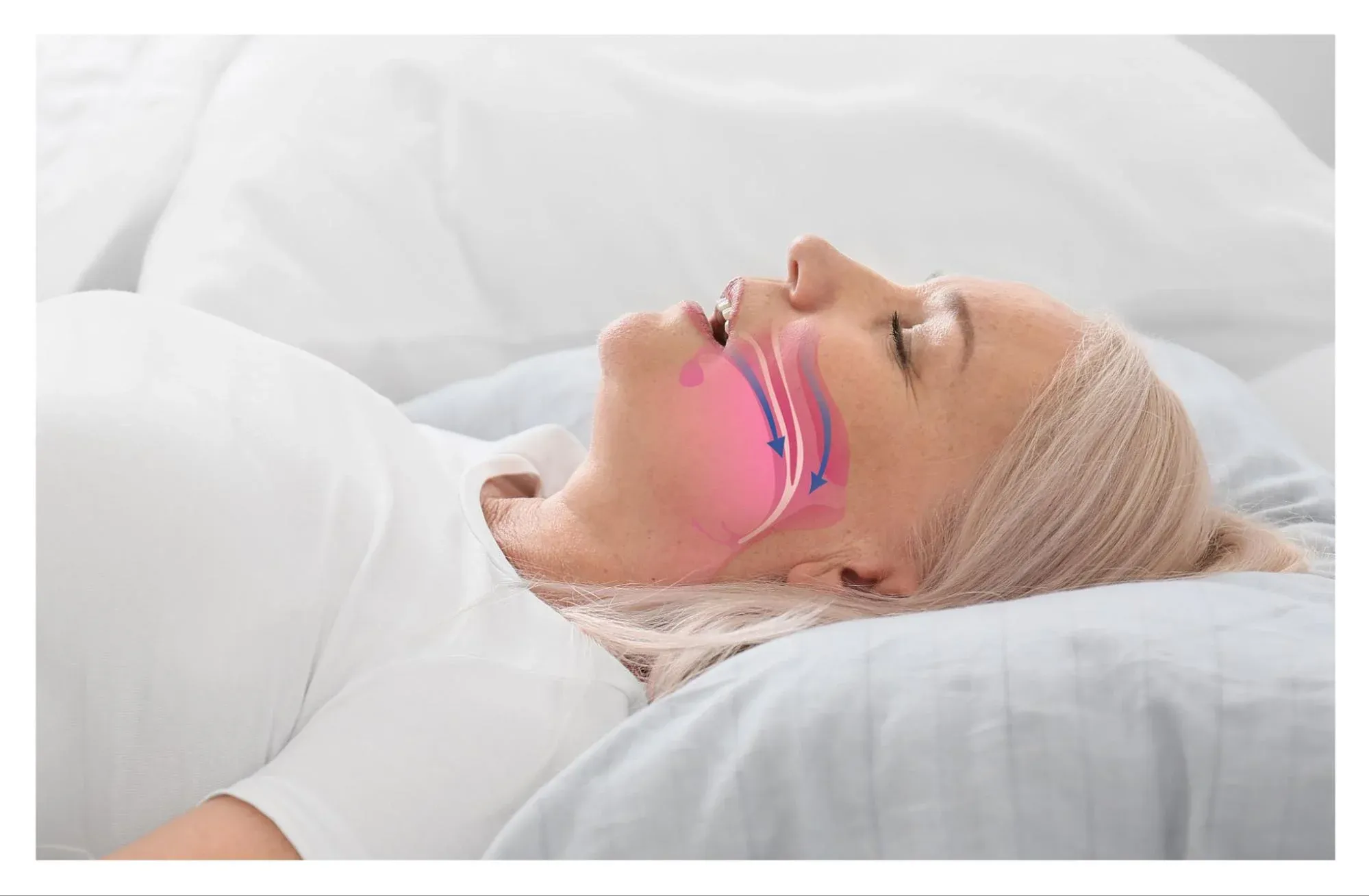
Obstructive Sleep Apnea (OSA) is a serious condition that causes repeated pauses in breathing during sleep. Loud, ongoing snoring is often the first sign, but it is just a symptom of a deeper problem. In OSA, throat muscles relax too much, causing soft tissues to block the airway. When oxygen drops, the body wakes the brain, leading to gasping for air. This can happen many times each night.
Pulmonologists and sleep specialists usually diagnose sleep apnea, but dental and maxillofacial teams often provide the solution. The jaws and teeth form the structure around the airway. If this space is too small, the tongue and soft tissues can block the throat. This article looks at how dental medicine treats sleep apnea, from simple devices to surgical options.
The Anatomy of Collapse: Why We Choke
To understand treatment, it helps to know how the airway works. The airway is a flexible tube surrounded by soft tissue. When we are awake, muscles keep it open. During sleep, gravity and relaxed muscles can make it narrower.
In patients with OSA, anatomical factors often predispose them to blockage:
-
Retrognathia: A lower jaw that is set back (recessed) pushes the tongue backward into the airway space.
-
Macroglossia: A giant tongue.
-
Narrow Palate: A high, V-shaped roof of the mouth restricts the nasal floor and crowds the tongue.
-
Excess Soft Tissue: An elongated soft palate or large tonsils.
When the airway closes, blood oxygen drops (hypoxia). This causes a stress response, raising adrenaline and blood pressure. Over time, untreated sleep apnea can lead to high blood pressure, heart disease, stroke, type 2 diabetes, and severe tiredness that raises the risk of accidents at work or while driving.
The Dentist as the First Line of Defense
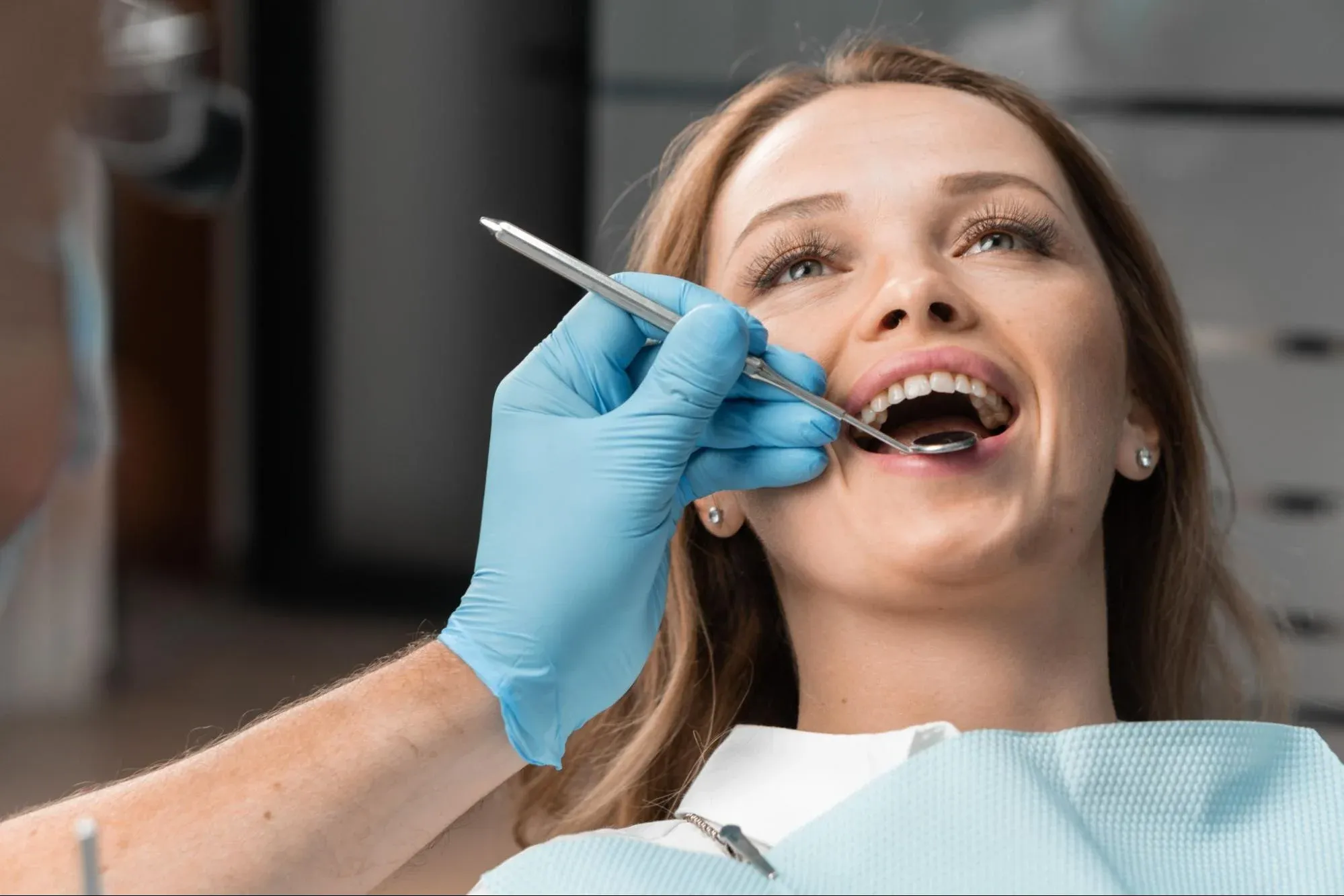
Dentists are often the first to notice signs of sleep apnea, sometimes before patients feel tired. During a regular exam, dentists look for warning signs beyond just the teeth:
-
Bruxism (Teeth Grinding): Patients often grind their teeth in sleep as an unconscious attempt to push the jaw forward and open the airway.
-
Scalloped Tongue: Indentations on the sides of the tongue indicate it is pressing against the teeth because it doesn't have enough room.
-
Red, Inflamed Throat: Caused by the vibration of snoring and the irritation of mouth breathing.
If these signs are found, the dentist usually refers the patient for a sleep study (Polysomnography) to confirm sleep apnea and measure how severe it is (AHI Score).
Preventive and Conservative Treatments
For mild to moderate sleep apnea, or for people who cannot use a CPAP (Continuous Positive Airway Pressure) machine, dental treatments are often the best choice.
1. Oral Appliance Therapy (Mandibular Advancement Devices). This is the most common non-surgical dental treatment. Think of it as a specialized sports mouthguard or orthodontic retainer worn only during sleep.
-
How it Works: The device fits over the upper and lower teeth and gently holds the lower jaw forward.
-
The Logic: Since the tongue is attached to the lower jaw, pulling the jaw forward also pulls the tongue forward, preventing it from collapsing backward and blocking the throat.
-
The Benefit: It is quiet, easy to carry, does not need electricity, and more people use it regularly compared to CPAP masks. For many, this simple device stops snoring and helps them sleep deeply again.
2. Weight Management and Lifestyle While not a "dental" procedure, preventive counseling is part of the holistic approach. Excess neck fat places weight on the airway, exacerbating collapse. Weight loss, avoiding alcohol before bed (which relaxes throat muscles), and sleeping on one’s side are crucial adjuncts to any treatment.
Surgical Solutions: Changing the Architecture
For severe sleep apnea, or when physical problems cause the blockage, simple devices may not work. In these cases, oral and maxillofacial surgery can help by physically making the airway larger.
1. Maxillomandibular Advancement (MMA): This is the most effective surgery for OSA and often works as well as CPAP.
-
The Procedure: It is orthognathic (jaw) surgery. The surgeon cuts the bones of the upper (maxilla) and lower (mandible) jaws and moves them both forward by approximately 10 to 12 millimeters.
-
The Mechanism: By moving the skeletal framework forward, the soft palate and tongue are pulled forward as well. This dramatically expands the volume of the airway at the back of the throat. It’s like widening a narrow hallway into a spacious corridor.
-
The Outcome: Besides treating sleep apnea, this surgery can also improve the shape of the chin and the way the teeth fit together.
2. Genioglossus Advancement: The genioglossus is the main tongue muscle. In this surgery, a small piece of bone in the chin is moved forward where the muscle attaches. This keeps the tongue from falling back during sleep, without moving the whole jaw.
3. Nasal Surgery (Septoplasty/Turbinate Reduction): If the nose is blocked by a deviated septum or large turbinates, people have to breathe through their mouth, which can make apnea worse. Fixing the nasal passage can help other treatments work better.
Pediatric Sleep Apnea: A Critical Window
Preventive treatment works best in children. If a child snores, it is not just a harmless habit—it can be a medical problem. In children, sleep apnea is often caused by large tonsils, adenoids, or a narrow jaw.
-
Rapid Palatal Expansion: For children with a narrow roof of the mouth, an orthodontist can use a device to widen the jaw. This makes more space for the tongue and improves airflow through the nose.
-
The Impact: Treating sleep apnea in children can prevent learning problems, behavior issues (sometimes mistaken for ADHD), and abnormal facial growth.
The Role of Technology in Treatment
Modern treatment relies on precision.
-
CBCT Imaging: 3D scans help surgeons measure the airway and find exactly where it is blocked, whether in the nose, behind the palate, or behind the tongue.
-
Digital Impressions: For oral devices, digital scans now replace messy molds. This creates appliances that fit very precisely, making them more comfortable and effective.
The Consequences of Inaction
The worst thing to do about sleep apnea is nothing. The condition gets worse over time, and the heart is put under more stress each year it goes untreated. Many people have trouble using CPAP machines because the mask feels uncomfortable or the noise is bothersome, so they stop using them and remain at risk. Dental treatments can help fill this gap. An oral device can stop snoring and help keep oxygen levels up, while jaw surgery can offer a lasting solution and remove the need for machines.
Reclaiming Your Rest
Sleep apnea can take away your energy, health, and even years of your life. However, many solutions are available at the dental office. Whether you need a custom device or surgery to improve your airway, these treatments can be effective.
The first step is to notice the signs. If you wake up feeling tired, if someone tells you that you gasp during sleep, or if snoring is common, it may be time to consider your jaw and airway as possible causes.
Treating sleep apnea takes a team approach. At İstinye University Dental Hospital, orthodontists and maxillofacial surgeons work closely with sleep doctors to provide complete care. From custom dental devices to advanced surgeries, we aim to find the best solution for your needs, so you can breathe and live better.