Exploring the Vital Role of Maxillofacial Surgery
09/01/2026 16:31
21/08/2026 14:13
- The Training: Where Medicine Meets Dentistry
- Beyond the Tooth: Management of Pathology
- The Mechanics of Movement: TMJ Disorders
- Facial Trauma: The Emergency Response
- Congenital Defects: Cleft Lip and Palate
- Pre-Prosthetic Surgery: Preparing for Restoration
- Reconstructive Surgery: Rebuilding the Lost
- The Role of Technology: Navigation and 3D Printing
- Addressing the Fear Factor
- Restoring Confidence and Quality of Life
The human face is a complex structure filled with nerves, blood vessels, muscles, and bones. It helps us interact with the world and contains our senses of sight, smell, and taste. Our face lets us speak, breathe, and eat. Even small changes to its structure can affect how we function and how we see ourselves.
When disease, injury, or birth defects affect the face, general dentistry or medicine is often not enough. This is where maxillofacial surgery comes in.
Many people think maxillofacial surgery is just about removing teeth, but it is a specialized field that connects dentistry and medicine. Maxillofacial surgeons diagnose and treat diseases, injuries, and defects in the mouth, jaws, face, and neck, focusing on both function and appearance. This article explains the important procedures that help patients regain their health and confidence.
The Training: Where Medicine Meets Dentistry
Maxillofacial surgeons go through extensive training. After earning a dental degree, they spend several years in hospital-based surgical residencies. Their training includes rotations in general surgery, internal medicine, anesthesiology, plastic surgery, and emergency medicine.
This dual background is essential because the face is an "anatomical minefield." A surgeon operating near the jaw joint must navigate around the facial nerve, which controls facial expressions. A surgeon removing a tumor from the palate must understand the proximity to the nasal cavity and the orbits (eye sockets). This profound anatomical knowledge allows them to perform intricate procedures with a level of safety and precision that protects the vital structures defining our quality of life.
Beyond the Tooth: Management of Pathology
Dentists often spot problems first, but maxillofacial surgeons handle more serious conditions. The mouth and jaws can develop many types of cysts and tumors, some harmless and others more dangerous.
1. Cysts of the Jaws: Fluid-filled sacs can form in the jawbone, often near impacted teeth or leftover tooth tissue. Most cysts are not cancerous, but they can grow quietly and damage the jawbone. If not treated, they may weaken the jaw or harm nearby teeth.
Surgical removal (enucleation) involves carefully peeling out the cyst lining and, in some cases, using bone grafts to fill the void left behind.
2. Oral Tumors and Cancer: Any sore, lump, or white or red patch in the mouth that does not go away should be checked with a biopsy. Maxillofacial surgeons do these biopsies to find out if cancer is present. If cancer is found, they help remove the tumor as part of the cancer care team. They work carefully to remove all cancer while trying to keep speech and swallowing abilities.
The Mechanics of Movement: TMJ Disorders
The temporomandibular joint (TMJ) connects your jaw to your skull. It is a complex joint that allows both hinge and sliding movements.
Millions of people suffer from TMJ disorders (TMD), characterized by clicking, locking, pain, and restricted movement. While many cases are managed non-surgically (with night guards or physiotherapy), severe cases fall under the care of a maxillofacial surgeon.
-
Arthrocentesis: A minimally invasive procedure where the joint is washed out with sterile fluid to remove inflammatory byproducts and release the "stuck" disc.
-
Arthroscopy: Using a tiny camera and miniature instruments inserted through a small puncture, the surgeon can reshape the bone or repair the cartilage disc without open surgery.
-
Total Joint Replacement: In severe cases where the joint is badly damaged by arthritis or injury, the surgeon can replace it with a custom-made artificial joint. This helps patients eat without pain.
Facial Trauma: The Emergency Response
Maxillofacial surgeons are often called to the emergency room for facial injuries. Whether from a car accident, sports, or work, treating facial trauma requires special skills.
Unlike a broken arm, which can be put in a cast, a broken face needs to be rebuilt so it looks and works as it did before.
-
Soft Tissue Injuries: Surgeons repair deep cuts on the lips, eyelids, or ears to reduce scarring.
-
Fractures: Treating breaks in the cheekbones (zygoma), eye sockets (orbital floor), or nose.
-
The "Invisible" Repair: Surgeons often access these fractures through incisions inside the mouth or hidden in the hairline or lower eyelid creases. They use tiny titanium plates and screws to reassemble the shattered bone fragments. This hardware is internal and usually remains in the patient permanently, providing rigid fixation that facilitates earlier healing.
Congenital Defects: Cleft Lip and Palate
Perhaps the most emotionally rewarding aspect of maxillofacial surgery is correcting congenital deformities. Cleft lip and cleft palate are among the most common congenital disabilities, occurring when the facial structures do not fuse properly during fetal development.
This is more than a cosmetic problem; it affects survival. Babies with a cleft palate cannot feed properly, and later it can cause speech and ear problems. Maxillofacial surgeons work with other specialists to close the lip at about 3 months and the palate at 9 to 12 months. Care often continues as the child grows, with procedures like bone grafting from the hip to the gum line or jaw surgery to improve alignment. This ongoing care helps children develop normally and avoid the challenges of a visible deformity.
Pre-Prosthetic Surgery: Preparing for Restoration
Sometimes, the mouth needs preparation before getting dentures or implants. Wearing poorly fitting dentures for years can cause the jawbone to develop bumps or extra folds of soft tissue. Pre-prosthetic surgery smooths the bone or removes extra gum tissue to create a solid base. Without this step, implants or dentures may not work well or could cause pain.
Reconstructive Surgery: Rebuilding the Lost
If a large part of the jaw is removed because of a tumor or injury, it cannot be left empty. Reconstructive surgery uses tissue from another part of the body to rebuild the jaw.
-
Bone Grafting: Surgeons take bone from the hip, leg, or skull to rebuild missing parts of the jaw.
-
Nerve Repair: If facial nerves are damaged, microsurgical techniques can be used to repair or graft nerves, attempting to restore sensation and movement to the face.
The Role of Technology: Navigation and 3D Printing
Maxillofacial surgery now relies heavily on digital technology, moving far beyond guesswork.
-
Intraoperative Navigation: The surgeon’s tools are used in real time on the patient’s head during surgery. It is especially important when working close to nerves.
-
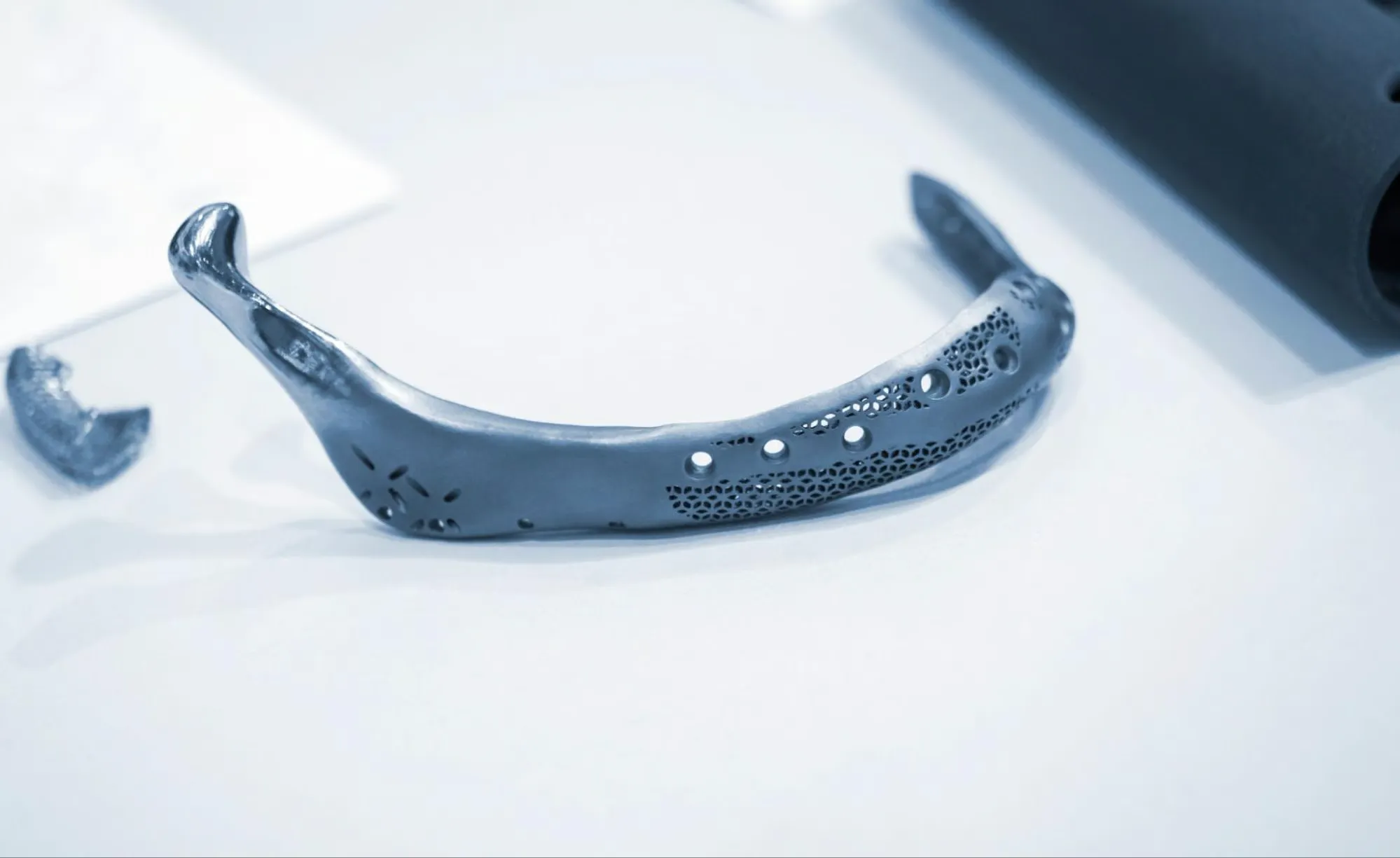
3D Ping: Surgeons print 3D models of the patient’s skull to practice the surgery beforehand. They can also print custom cutting guides and even custom titanium implants that fit the patient's unique anatomy perfectly, reducing surgery time and improving accuracy.
Addressing the Fear Factor
It is normal to feel nervous about seeing an oral and maxillofacial surgeon. The face is very personal. These specialists are well trained to manage pain and anxiety. They can give deep sedation or general anesthesia, so complex procedures can be done while you are fully asleep and comfortable. Advanced monitoring keeps you safe during the operation.
Restoring Confidence and Quality of Life
Maxillofacial surgery is not just about medical treatment; it is about helping people live with dignity. It helps a grandmother eat comfortably with her family, a teenager feel confident about their smile, and an accident survivor recognize themselves in the mirror.
This specialty covers many areas, but its main goal is to heal the face, which is both expressive and essential. Whether it is an emergency or a long-term issue, seeing a specialist ensures that both the function and appearance of your face are treated with expert care.
For those who need this specialized care, İstinye University Dental Hospital has a Department of Oral and Maxillofacial Surgery with advanced surgical facilities and diagnostic tools. Our experienced surgeons focus on treating complex facial conditions with compassion and a patient-centered approach, helping patients regain their health and well-being.