Sleeping Through the Fear: A Caring Guide to General Anesthesia in Children's Dentistry
12/01/2026 17:51
14/03/2026 13:36
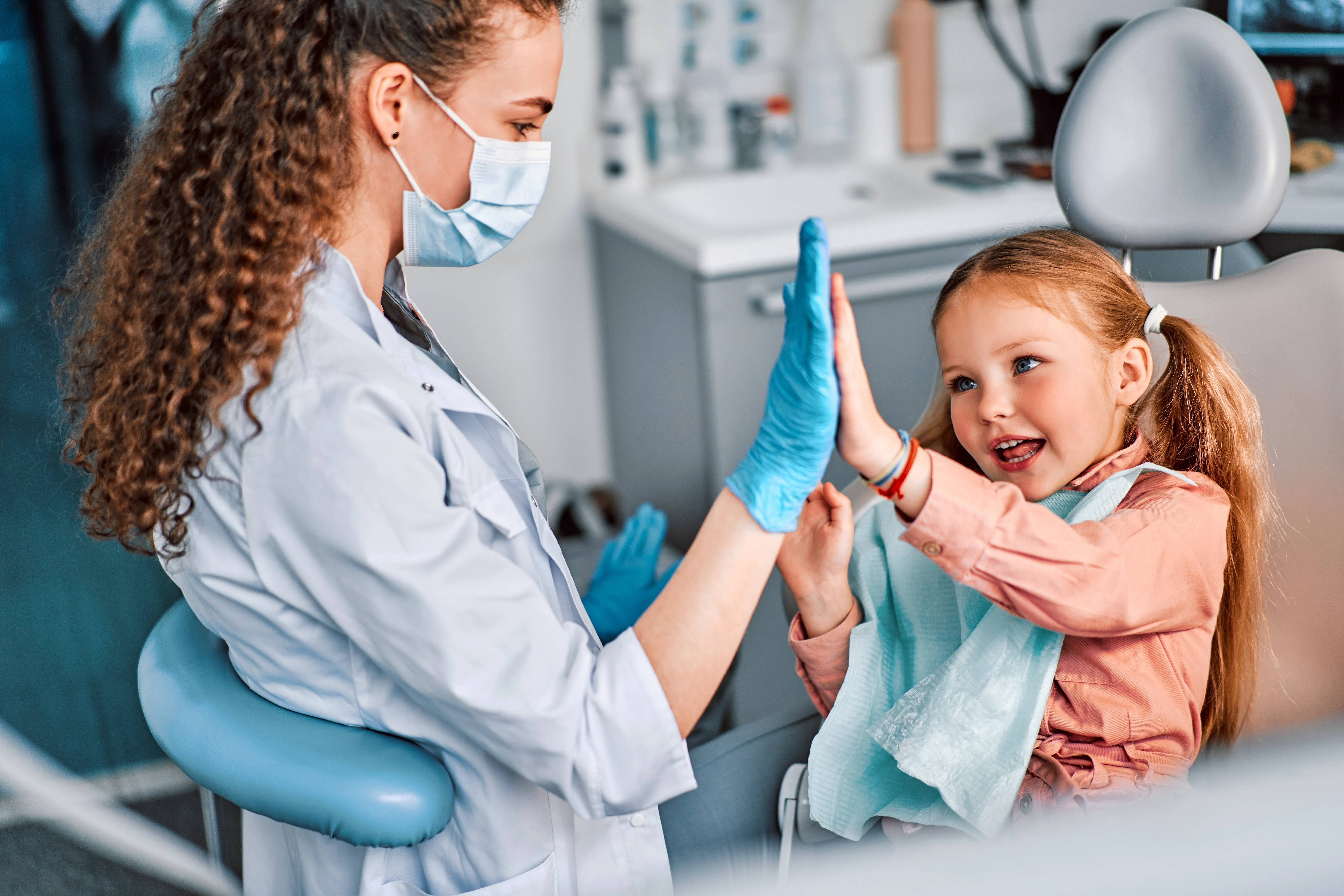
For a parent, few things are as distressing as seeing their child in pain, except, perhaps, seeing their child in terror. In pediatric dentistry, we often face a heartbreaking dilemma. We have a young child—possibly 3 or 4 years old—who has multiple severe cavities, often due to bottle feeding ("baby bottle tooth decay"). The child is in pain and cannot eat or sleep properly. However, they are also too young to understand why they need to sit still, open their mouth, and endure the noise of a drill.
Trying to treat a young child in a regular dental chair can be very stressful. It often leads to tears, needing to hold the child still, and a real risk of injury if they move while a sharp tool is in their mouth. Most importantly, it can cause a fear of the dentist that lasts for years.
This is where General Anesthesia comes in as a grace. Often misunderstood as a dangerous last resort, treating children under general anesthesia is actually a standard, safe, and humane method of care accepted globally by pediatric dental associations. It allows us to press the "pause" button on the child's consciousness, perform all necessary treatments (fillings, crowns, extractions) in a single session, and have them wake up with a completely healthy mouth, as if it were all a dream.
This guide is for every parent who has worried about hearing the words "needs surgery." We will explain why, how, and what safety steps are taken to make this a safe and healthy choice.Why Not Just Use Local Anesthesia?
Local anesthesia (the "shot") can numb the tooth, but it can't take away fear. For a calm 7-year-old with one small cavity, local anesthesia works well. But we think about General Anesthesia for:
-
Pre-Cooperative Age: Children under 4 who lack the psychological maturity to follow instructions like "stay open" or "don't move."
-
Extensive Decay: If a child needs 8 or 10 fillings or crowns, doing this in the chair would mean 4 or 5 stressful visits. With anesthesia, we can do everything in about an hour.
-
High Anxiety/Phobia: Children who have had previous bad experiences and are terrified.
-
Special Needs: Children with physical, intellectual, or sensory disabilities (like Autism or Cerebral Palsy) who cannot handle the sights and sounds of a dental clinic.
-
Ineffective Numbing: Some teeth with bad infections (abscesses) are hard to numb with just local injections.
The Safety Net: Hospital vs. Clinic
It's important to know where this takes place. At İstinye University Dental Hospital, general anesthesia is not done in a regular dental chair. It is done in a fully equipped Operating Room (OR) inside the hospital.
The Team: Your child is never alone. The team includes:
-
The Pedodontist: To fix the teeth.
-
The Anesthesiologist: A medical doctor who focuses only on your child's breathing, heart rate, and vital signs. They watch over your child, not the dental work.
-
Anesthesia Technicians and Nurses: To assist the doctors.
This hospital setting means we use the same safety standards as we would for a tonsillectomy or ear tube surgery.
The Process: A Journey to Dreamland
Step 1: Consultation and Medical Check. Before we schedule anything, we review your child's medical history. We might ask for blood tests or a visit with a pediatrician to make sure your child is healthy enough for anesthesia (for example, no chest infection or anemia).
Step 2: The Fasting Rule (NPO). This is the most important rule for parents. Your child must have an empty stomach—usually no food for 6-8 hours and no water for 2 hours—before the procedure. This helps prevent the risk of vomiting into the lungs while asleep.
Step 3: The "Magic Juice" (Pre-medication). On the day of surgery, we want to help your child go to the operating room without tears. We often give a mild sedative syrup mixed with fruit juice. In about 15 minutes, your child feels happy, giggly, and relaxed. Most children don't remember leaving their parents' arms.
Step 4: The Procedure. In the OR, your child breathes anesthesia gas through a mask that smells like bubblegum or strawberry. They fall asleep in seconds, and an IV is placed after they are asleep. While your child sleeps, the Pedodontist works quickly and carefully. We take X-rays, clean out decay, place white zirconia crowns or fillings, and apply fluoride. Because your child is still and the mouth stays dry, the dental work is often better than what we could do if the child was awake and moving.
Step 5: Waking Up. When the anesthesia is turned off, your child wakes up in the Recovery Room with you by their side. They may feel groggy and might cry (this is called "emergence delirium"), but this is normal and goes away quickly as the medicine wears off.
Post-Op: What to Expect at Home
Most children recover quickly.
-
Pain: We use long-lasting local anesthesia while your child sleeps, so their mouth is numb when they wake up. By the time the feeling comes back, simple ibuprofen (Motrin) or acetaminophen (Tylenol) is usually enough for any pain.
-
Diet: Offer soft, cool foods like yogurt, ice cream, or smoothies on the first day. Most children are back to playing and eating as usual by the next morning.
-
Nausea: Sometimes, children may vomit after anesthesia or from swallowing a little blood. This usually goes away within a few hours.
The Psychological Benefit: Protecting the "Dental Home"
The biggest benefit of general anesthesia is not just dental—it's psychological. By avoiding a scary dental chair experience, we keep your child's trust. They don't connect the dentist with pain or being held down. When they return for their 6-month checkup, they don't remember the surgery. They just know their teeth feel good. This "reset" helps us build a positive relationship focused on prevention, not on fixing problems.
A Decision Made with Love
Choosing general anesthesia is a hard decision for any parent. It's normal to feel worried. But it's also a choice made out of love, because you want to protect your child from pain and fear.
Untreated dental problems are serious. They can affect your child's growth, sleep, speech, and self-esteem. General anesthesia gives a safe way to move from pain and disease to full oral health in just one morning.
At İstinye University Dental Hospital, our Pedodontics and Anesthesiology teams work closely together. We care for your child as if they were our own, using the safest anesthesia methods and the latest dental treatments. Please feel free to share your concerns with us, so we can help you choose what's best for your child's smile and well-being.