The Silent Guardian: How a Custom Night Guard Protects Your Smile While You Sleep
12/01/2026 01:59
20/08/2026 16:52
We spend about a third of our lives sleeping, and most of us think of this time as peaceful and restorative. But for many people, sleep is not so restful for their mouths. As we drift off, our jaw muscles can start grinding or clenching our teeth, a condition called sleep bruxism.
The pressure from sleep bruxism is surprisingly strong. Studies show that people can bite down with up to six times more force while asleep than when awake. That is like chewing a steak with 250 pounds of pressure, but for hours and with nothing between your teeth—just enamel grinding on enamel.
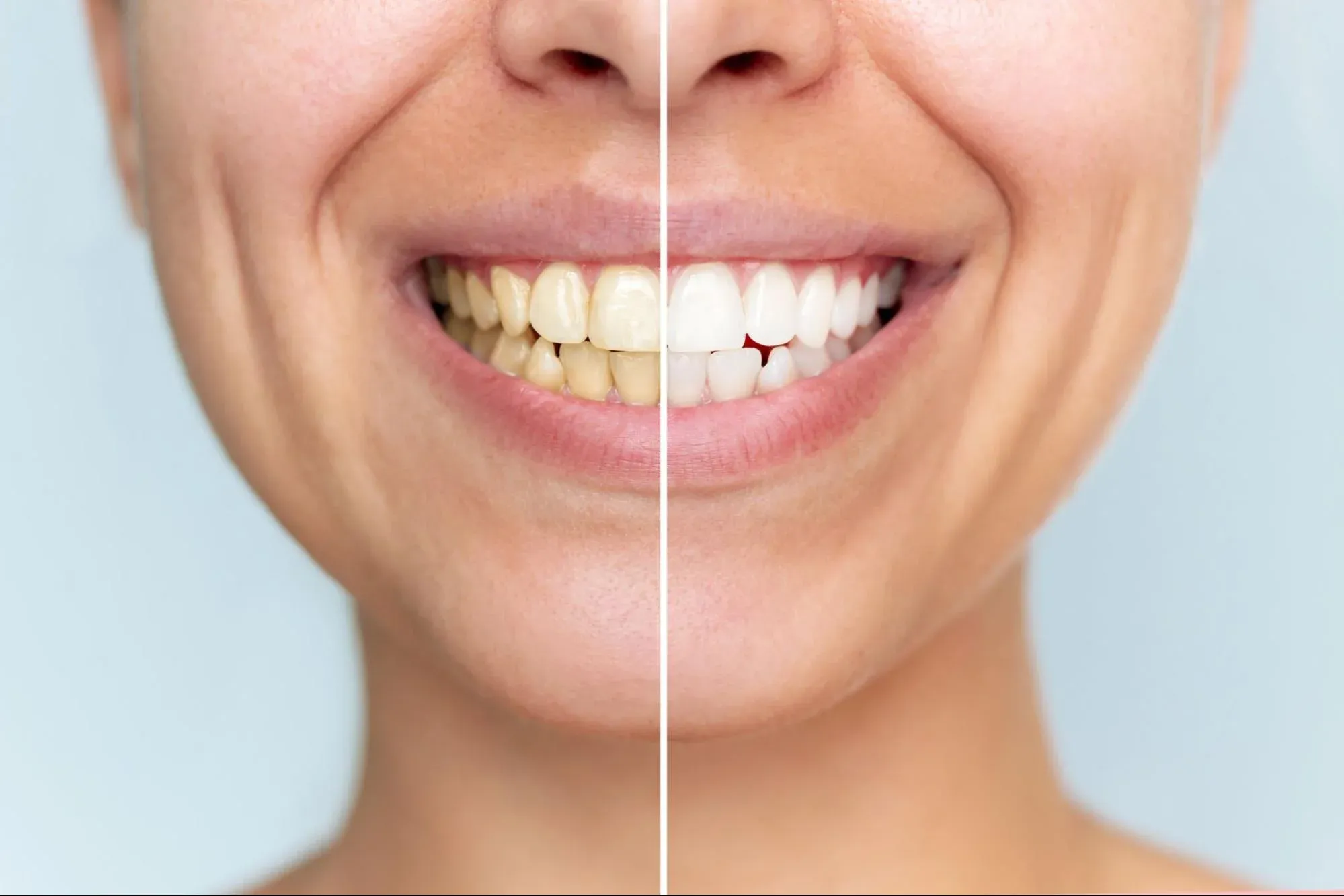
This nighttime grinding can cause serious problems like flattened teeth, cracked molars, receding gums, and frequent morning headaches. Because it happens while you sleep, many people do not realize they are doing it until their dentist notices the damage.
A simple, non-invasive, and effective solution to this problem is a night guard, also called an occlusal splint. However, not all night guards are the same. This guide explains how night guards work, why store-bought versions may not be helpful, and why a custom-made guard is the best way to protect your smile.
What is a Night Guard?
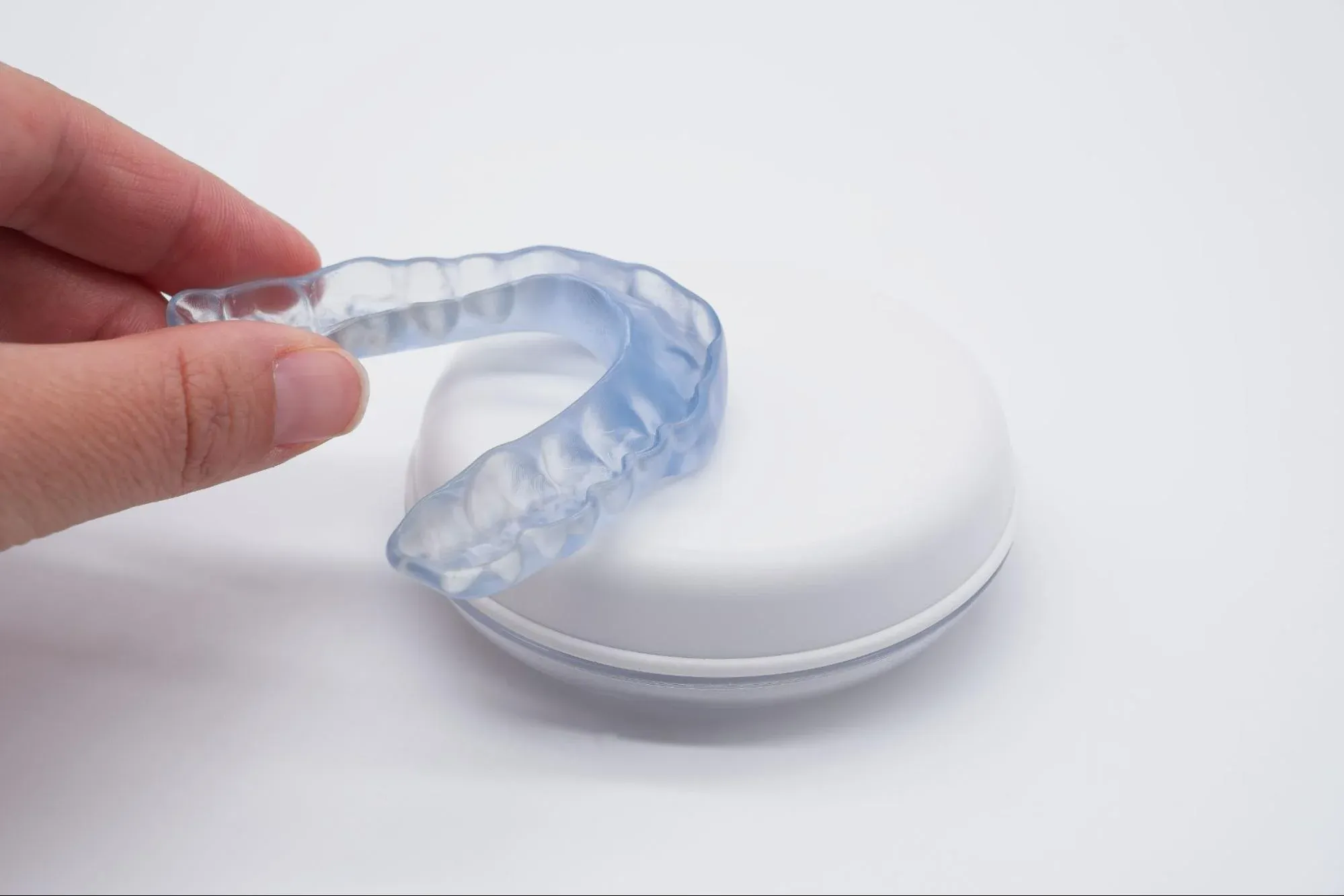
At its simplest, a night guard is a removable appliance, typically made of medical-grade plastic, that fits over the upper or lower teeth. It creates a physical barrier between the upper and lower jaw.
How does it work? A night guard may not stop you from grinding your teeth, but it often helps reduce it. Most importantly, it serves as a protective layer.
-
Shock Absorption: It absorbs the immense force of the jaw muscles, dissipating the energy through the plastic rather than through your tooth roots and bone.
-
Protection: When you grind, you wear down the guard's plastic rather than your enamel. Plastic can be replaced; enamel cannot.
-
Decompression: A properly adjusted guard opens the bite slightly (increases vertical dimension). This slight opening rotates the jaw joint, relieving pressure on the delicate disc and allowing the chewing muscles to relax.
The Great Debate: Custom vs. Store-Bought
Many patients wonder, "Why pay for a custom guard when I can get one at the pharmacy for $20?" It is a good question, but in dentistry, the fit is what matters most.
The "Boil-and-Bite" (Store-Bought) Guard: These are generic trays that you soften in hot water and bite into.
-
The Problem: These guards are bulky and made from soft, rubbery material. Since they are not made to fit your teeth exactly, they can move around or even fall out.
-
The "Chewy" Effect: Crucially, the soft, rubbery material can actually stimulate more chewing. The brain senses something soft between the teeth and instinctively wants to gnaw on it, potentially worsening muscle soreness.
-
Airway Issues: Because these guards are bulky, they can take up space in your mouth and push your tongue back, which may make snoring or sleep apnea worse.
The Custom (Professional) Guard: Fabricated by a dentist using a digital scan or a precise mold of your teeth.
-
The Fit: A custom guard fits snugly with a satisfying "click." It stays in place and feels slim and comfortable.
-
The Material: Custom guards are usually made from hard acrylic or a dual-layer material that is soft inside for comfort and hard outside for strength. The hard surface lets your teeth slide easily, which helps stop muscle activity.
-
The Adjustment: This is the most crucial part. The dentist adjusts the bite on the guard so that all teeth hit evenly. This balance is critical for TMJ health.
Types of Professional Guards
Not everyone who grinds their teeth needs the same type of guard. Dentists choose the right guard based on how severe your grinding is.
1. Soft Night Guard:
-
Material: Flexible, rubber-like material.
-
Best For: Mild bruxism or clenchers who don't grind their teeth back and forth.
-
Pros: Very comfortable and easy to get used to.
-
Cons: Not durable enough for heavy grinders; they will chew through it in months.
2. Hard Night Guard:
-
Material: Rigid acrylic.
-
Best For: Severe grinders (bruxers) and patients with TMJ pain.
-
Pros: extremely durable. It provides the best protection for the jaw joint because it allows the lower jaw to slide without resistance.
-
Cons: Takes a few nights to get used to the rigid feel.
3. Hybrid (Dual-Laminate) Night Guard:
-
Material: Hard on the outside, soft on the inside.
-
Best For: This is the "just right" option. It gives you the comfort of a soft liner against your teeth and the strength of a hard shell for grinding. It is the most popular choice today.
Who Needs One? The Signs of a Silent Grinder
You might need a night guard if you experience:
-
Worn Teeth: Your dentist notices your canines are flat or your front teeth look chipped and jagged.
-
Morning Headaches: Waking up with a dull ache in the temples.
-
Sensitive Teeth: Sensitivity to cold that comes and goes, caused by the flexing of the teeth near the gum line (abfraction).
-
Cheek Biting: You notice a white line or ridges on the inside of your cheeks (linea alba) from sucking or biting them at night.
-
Broken Restorations: You have a history of breaking crowns or fillings shortly after getting them.
Protecting Your Investment
If you have had cosmetic dental work like veneers, crowns, or implants, wearing a night guard is a must. Porcelain is strong but can break easily. Just one night of heavy grinding can crack a veneer or chip a crown. A night guard acts like a bumper that protects your teeth, much like a bumper protects a car. Most dentists will not guarantee veneers if you do not wear a guard.
Getting Used to It: The Adaptation Period
At first, sleeping with something in your mouth can feel odd.
-
Saliva: During the first night or two, you might notice more saliva in your mouth. This is a normal reaction because your brain thinks the guard is food, but it goes away quickly.
-
Tightness: The guard may feel tight at first, but your body heat will soften it a bit, helping it fit perfectly.
-
Dreams: Some people notice more vivid dreams for a few days as their sleep adjusts.
Most people say that after a week or two, they cannot sleep without their night guard. They love waking up with a relaxed jaw.
Maintenance: Keep It Clean
If you do not clean your night guard, it can collect bacteria.
-
Morning Routine: Rinse your night guard with cool water as soon as you take it out. Gently brush it with a toothbrush and mild soap, like dish soap. Do not use toothpaste because it can scratch the plastic and trap odors.
-
Weekly Deep Clean: Soak your guard in denture cleaner or a vinegar and water mix once a week to kill bacteria and remove buildup.
-
Storage: Store your night guard in its ventilated case so it can dry fully. Do not wrap it in a wet paper towel.
-
Bring it to Appointments: Always take your night guard to your 6-month dental visits so your dentist can clean it and check the fit.
A Small Piece of Plastic, A Huge Impact
Some people think a night guard is just a piece of plastic. In reality, it is a medical device that protects your teeth from the strong forces of your jaw muscles. It helps prevent long-term damage to your smile.
For about the price of one crown, a night guard protects all your teeth. It is one of the most cost-effective ways to prevent dental problems.
At İstinye University Dental Hospital, we believe it is better to prevent problems than to treat them. Our Prosthodontics Department uses digital scanning to make custom night guards with precise accuracy. We tailor the material and design to your bite, so you and your partner can enjoy a quiet, restful, and healthy night’s sleep.