The Best Offense is a Good Defense: How Preventive Dentistry Protects Your Smile
12/01/2026 00:53
21/08/2026 15:24
- The Science of "Pre-Cavities": Remineralization
- Clinical Application 1: Dental Sealants (The Physical Shield)
- Clinical Application 2: Professional Fluoride Therapies (The Chemical Shield)
- Clinical Application 3: Preventive Resin Restorations (PRR)
- Clinical Application 4: Caries Management by Risk Assessment (CAMBRA)
- Clinical Application 5: Custom Night Guards and Sports Guards
- Clinical Application 6: Oral Cancer Screening
- The Economics of Prevention
- A Partnership for Longevity
For most of history, dentistry focused on fixing problems after they appeared. People went to the dentist only when they felt pain or noticed a visible hole in a tooth. Dentists acted like firefighters, treating infections and repairing damage. While treatments like fillings and crowns are impressive, they are still just repairs. Even the best restoration cannot match the strength and resilience of a healthy, untouched tooth.
In recent years, dental care has changed a lot. Instead of just fixing problems, dentists now focus on preventing them. This approach, called Preventive Dentistry, goes beyond simply telling people to brush and floss. It includes clinical treatments and scientific methods that help protect teeth, make them stronger, and stop cavities before they start.
Preventive dentistry treatments quietly protect our oral health. They are usually painless, affordable, and require little intervention. These options are valuable for both children and adults who want to avoid cavities. This guide will explain the main tools and techniques dentists use to keep your smile healthy.
The Science of "Pre-Cavities": Remineralization
To understand how preventive treatments work, it helps to know what causes tooth decay. Decay happens over time as acids remove minerals from teeth, while saliva works to replace them. This ongoing process is a balance between losing and regaining minerals.
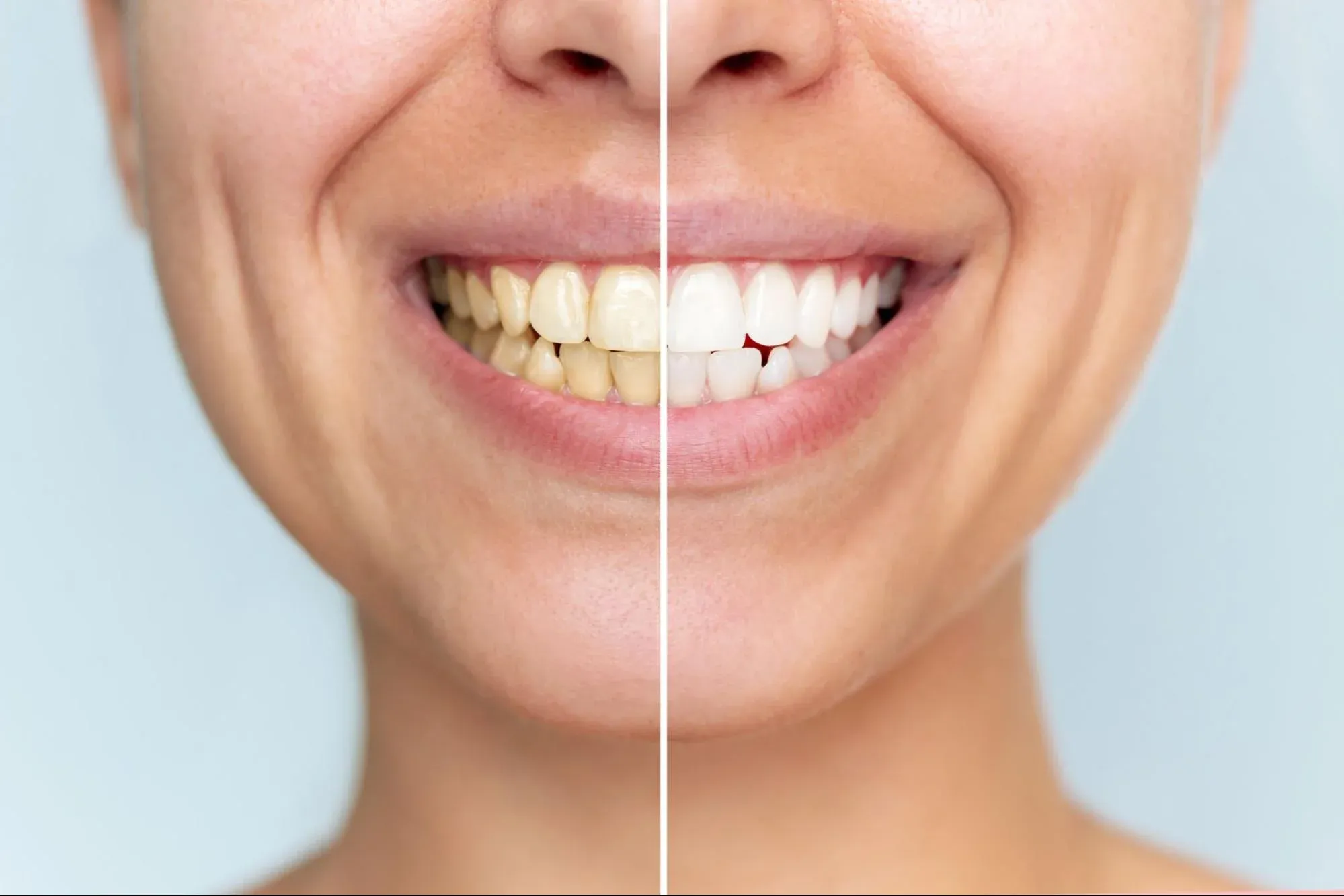
A cavity starts as a "White Spot Lesion." This is a subsurface weak spot where minerals have been lost, but the surface has not yet broken. In the old days, a dentist might "watch" this spot until it turned into a hole, then fill it. Today, preventive dentistry aims to reverse this lesion. By applying specific therapeutic agents, we can force calcium and phosphate back into the tooth, healing the white spot without ever picking up a drill.
Clinical Application 1: Dental Sealants (The Physical Shield)
Human teeth are not perfectly shaped. The chewing surfaces of molars and premolars have deep grooves that are often too narrow for a toothbrush to reach. Because of this, it is impossible to clean these areas completely, and they often trap bacteria and food. This makes them the most common place for cavities in children and teenagers.
Fissure sealants provide a solution by acting as a barrier. They cover and protect the deep grooves on the tooth’s surface.
-
The Procedure: It is entirely painless and requires no anesthesia. The tooth is cleaned and prepared with a mild gel. A liquid resin (plastic material) is flowed into the deep grooves and hardened with a special blue light.
-
The Result: The deep valley becomes a smooth, shallow surface that is easy to clean. Bacteria are locked out, and any few bacteria trapped underneath are cut off from their food supply and die.
-
Target Audience: While essential for children as soon as their permanent molars erupt (around ages 6 and 12), sealants are also highly effective for adults with deep grooves who are at high risk for decay.
Clinical Application 2: Professional Fluoride Therapies (The Chemical Shield)
Fluoride is known as 'nature’s cavity fighter,' but the amount in regular toothpaste is low. In the dental office, dentists use stronger fluoride treatments to better protect tooth enamel.
Fluoride works by changing the tooth’s mineral structure from hydroxyapatite to fluorapatite, which is much more resistant to acid. It also interferes with bacteria, making it harder for them to produce acid.
Types of Professional Application:
-
Fluoride Varnish: This is the modern standard. A sticky, resin-based varnish containing a high concentration of fluoride (usually 5% sodium fluoride) is painted onto the teeth. It adheres to the enamel for several hours, serving as a slow-release reservoir that allows the tooth to receive maximum protection.
-
Silver Diamine Fluoride (SDF): A revolutionary liquid used to arrest active decay. If a cavity has already started but the patient is too young or anxious for a drill, SDF can be painted on the spot. The silver kills the bacteria instantly, and the fluoride hardens the remaining tooth structure. It stops the rot in its tracks.
Clinical Application 3: Preventive Resin Restorations (PRR)
Sometimes, a tooth has a small cavity in a deep groove, while the rest of the groove is still healthy but at risk. In the past, dentists would remove the whole groove to place a large filling.
Preventive Resin Restoration (PRR) is a technique that combines features of both sealants and fillings.
-
This method is minimally invasive. The dentist uses a very small tool to remove just the decayed area.
-
The dentist fills the small hole with a flowable composite, then covers the rest of the healthy groove with a sealant.
-
This approach keeps as much of the natural tooth as possible and protects it from future cavities.
Clinical Application 4: Caries Management by Risk Assessment (CAMBRA)
Preventive dentistry is not the same for everyone. For example, someone with dry mouth and a sweet tooth has a different risk than someone with healthy saliva and a low-sugar diet. Dentists use a system called CAMBRA to assess these risks.
This involves a diagnostic assessment where the dentist evaluates:
-
Saliva Quality: Is there enough? Is it buffering acid effectively?
-
Bacterial Load: Swab tests can measure the levels of cavity-causing bacteria (Mutans Streptococci).
-
Dietary Habits: Identifying frequency of sugar intake.
Based on this assessment, the dentist makes a custom prevention plan. Patients at higher risk may get prescription toothpaste (5000 ppm fluoride), antibacterial rinses (Chlorhexidine), or calcium phosphate paste (CPP-ACP) to use at home.
Clinical Application 5: Custom Night Guards and Sports Guards
Prevention is not only about chemical treatments. Physical damage can harm teeth just as much as bacteria.
-
Bruxism, or teeth grinding, can wear down enamel and cause cracks. A custom night guard is a preventive device that protects teeth by absorbing the force from jaw muscles. This helps prevent chips, cracks, and gum problems.
-
For athletes, a custom mouthguard is important. Unlike store-bought guards, a professional mouthguard fits well and spreads out impact, helping prevent knocked-out teeth and jaw injuries.
Clinical Application 6: Oral Cancer Screening
The most important preventive step is detecting oral cancer early. Oral cancer is risky because it usually does not cause pain at first. During regular checkups, dentists carefully examine the tongue, lips, cheeks, and throat. They may use special lights or brush tests to find abnormal cells before they turn cancerous. Finding these changes early is the best way to prevent serious problems.
The Economics of Prevention
There is a pragmatic financial argument for preventive dentistry. The cost of a sealant is a fraction of the price of a filling. The cost of a fluoride varnish is negligible compared to a root canal and crown. Preventive applications act as an insurance policy. By spending a small amount of time and resources to maintain the integrity of the enamel and gum tissue, patients avoid the "dental spiral" in which fillings get larger, teeth crack, and complex, expensive rehabilitation becomes necessary.
A Partnership for Longevity
Preventive dentistry gives patients more control over their health. Instead of just fixing problems, the focus is on keeping teeth healthy. Still, these treatments are only part of the solution. Patients need to care for their teeth every day with good hygiene and a healthy diet.
A healthy smile takes planning, protection, and teamwork between patient and dentist. Using modern dental tools like sealants and fluoride treatments, we can help keep your natural teeth strong and attractive for life.
If you want to move from fixing dental problems to preventing them, İstinye University Dental Hospital has a special preventive dentistry program. Our Restorative Department uses the latest risk assessments and gentle techniques to give every patient, young or old, the protection they need to avoid dental disease.