Time Is Critical: Managing and Treating Dental Trauma
12/01/2026 00:47
21/08/2026 15:08
- The Anatomy of an Impact
- The Spectrum of Injury: Identifying the Damage
- The "Golden Hour": First Aid for a Knocked-Out Tooth
- Professional Treatment: Stabilization and Splinting
- The Endodontic Connection: Saving the Nerve
- Treating Crown Fractures: The Art of Restoration
- Long-Term Risks: Resorption
- Prevention: The Best Protection
- The Psychological Impact
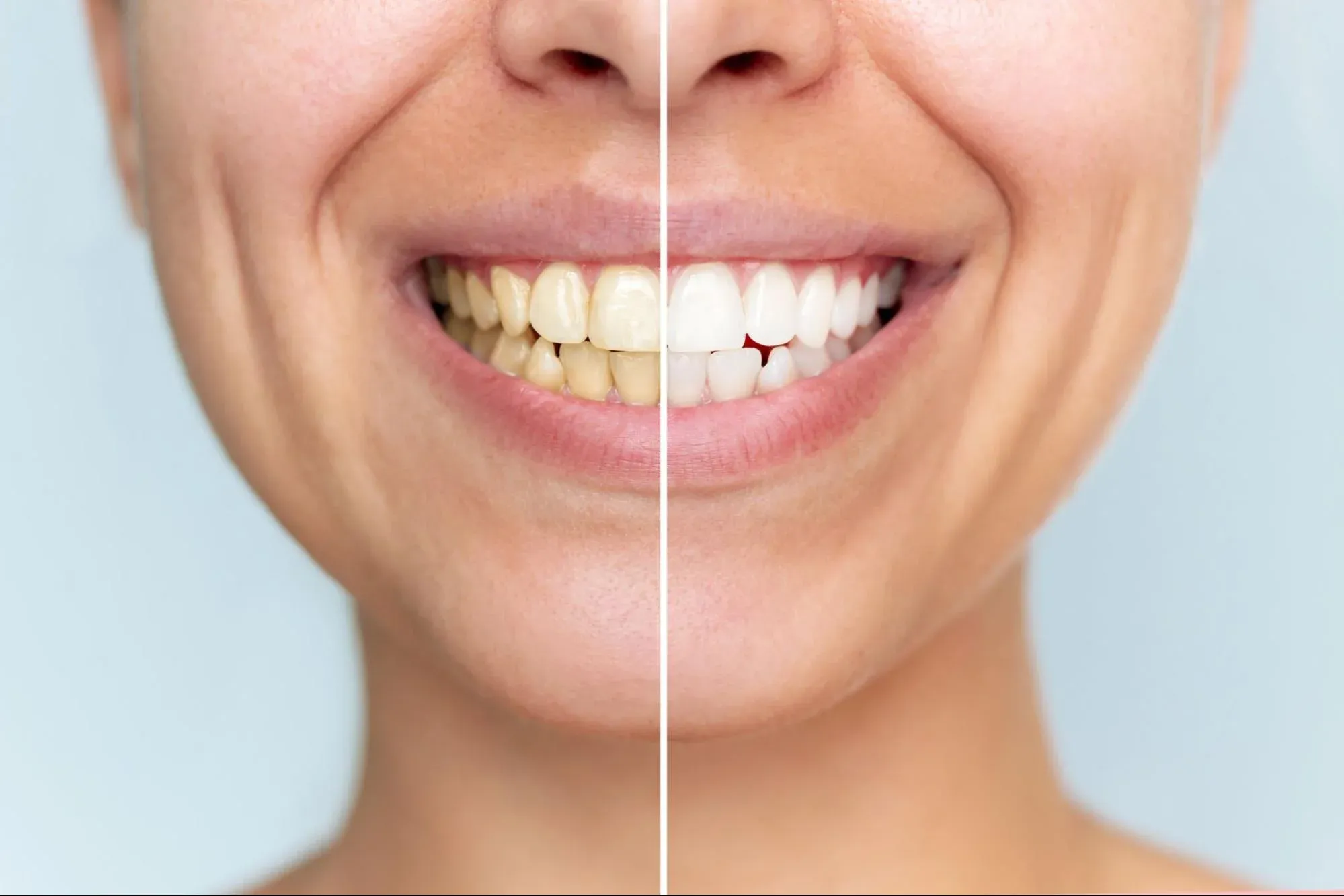
- Restoring Confidence After the Impact
Life can change in an instant. You might be riding a bike, playing basketball, or just walking down the stairs when an accident happens. Dental trauma is a sudden and often painful emergency. Unlike cavities, which develop slowly, trauma is immediate and can look frightening. It affects people of all ages, from toddlers learning to walk to teens in sports and adults in accidents.
When a tooth is subjected to blunt force, the damage can range from a minor cosmetic chip to complete avulsion (knocking the tooth out of its socket). In these chaotic moments, panic often sets in. However, the difference between saving a natural tooth and losing it forever frequently comes down to knowledge and speed. There is a "golden window" of time in which appropriate action can reverse the damage.
This guide will give you the information you need. We’ll look at different types of dental injuries, the most important first-aid steps, and the advanced treatments dentists use to repair damaged teeth.
The Anatomy of an Impact
To understand how to treat dental injuries, it helps to know what happens to a tooth during an accident. A tooth isn’t just a hard object—it’s a living part of your body, held in place by tiny fibers called the periodontal ligament. Inside, there are nerves and blood vessels known as the pulp.
When trauma occurs, three distinct parts can be injured:
-
The Hard Tissue: The enamel and dentin can crack or shatter.
-
The Support System: The periodontal ligament can tear, leading to loosening or loss of the tooth.
-
The Vital Supply: The nerve inside can be severed or shocked, leading to the death of the tooth over time.
The Spectrum of Injury: Identifying the Damage
Dental trauma is classified based on the severity and location of the injury.
1. Enamel Fractures (Chipped Teeth): This is the most common and least severe injury. A corner of the tooth breaks off. While it may look unsightly and feel sharp to the tongue, it is rarely a medical emergency unless the break is deep enough to expose the nerve (which would show as a tiny red dot).
2. Luxation (Displacement): Here, the tooth is intact, but it has been pushed out of its correct position.
-
Extrusion: The tooth appears longer because it has been partially pulled out of the socket.
-
Lateral Luxation: The tooth has been pushed backward or forward, often locking the tooth in place.
-
Intrusion: The most severe form, where the tooth is driven into the jawbone. This crushes the socket and nerve, presenting a complex challenge for endodontists.
3. Avulsion (Knocked-Out Tooth): This is the nightmare scenario. The tooth is completely ejected from the mouth. This is a true dental emergency where every minute counts.
The "Golden Hour": First Aid for a Knocked-Out Tooth
If a permanent tooth is knocked out, time is the enemy. The cells on the root surface begin to die immediately upon drying. If you act within 30 to 60 minutes, the tooth has a high chance of successfully reattaching.
The Protocol:
-
Find the Tooth: Handle it only by the crown (the white part). Never touch the root. Touching the root damages the delicate ligament cells needed for healing.
-
Clean It Gently: If it’s dirty, rinse it briefly (10 seconds) with cold water. Do not use soap, do not scrub, and do not dry it.
-
Replant Immediately (If Possible): The best place for a tooth is in its own socket. Try to push the tooth back into the hole gently. Have the patient bite down on a handkerchief to hold it in place.
-
Storage is Key: If you can’t put it back in, you must keep it moist. Drop the tooth in a container of cold milk. Milk has the perfect pH and protein balance to keep root cells alive. If milk isn't available, use saliva (have the patient spit in a cup). Do not store it in tap water, as it can cause the root cells to burst.
-
Go to the Dentist: Immediately.
Note: This protocol applies only to permanent teeth. We never replant knocked-out baby teeth, as doing so can damage the developing adult tooth underneath.
Professional Treatment: Stabilization and Splinting
Once the patient arrives at the clinic, the first goal is stabilization. For displaced (luxated) or replanted avulsed teeth, the dentist will gently reposition the tooth into its correct alignment.
To help the tooth heal, it acts like a broken arm—it needs a cast. In dentistry, this "cast" is called a flexible splint. A thin wire or nylon line is bonded to the traumatized tooth and its healthy neighbors. This holds the tooth steady while the periodontal ligament heals.
-
Duration: The splint is usually kept on for 2 to 4 weeks. It is flexible enough to allow slight physiological movement, which is crucial for preventing the bone from fusing directly to the root (ankylosis).
The Endodontic Connection: Saving the Nerve
The biggest casualty of trauma is often the tooth's pulp (nerve). A severe blow can sever the blood supply to the root tip. Deprived of blood, the nerve dies (necrosis).
-
Immediate vs. Delayed: Sometimes the nerve dies instantly. Other times, it dies slowly over months or years.
-
The Signs: A traumatized tooth may turn gray or dark yellow months after the accident. It may develop an abscess (pimple on the gum) or become painful to bite on.
The Role of Root Canal Therapy: If the nerve dies, the tooth becomes a reservoir for infection. A root canal is necessary to remove the dead tissue and sterilize the inside of the tooth.
-
For Mature Teeth: A standard root canal is performed.
-
For Immature Teeth (Children): If the root is not fully formed, the dentist cannot seal it as usual. Specialized procedures such as Apexification (creating a barrier) or Regenerative Endodontics (using stem cells to regenerate tissue) are used to encourage the root to continue growing even after trauma.
Treating Crown Fractures: The Art of Restoration
For chipped or broken teeth still in the socket, the focus is on restoring form and function.
-
Reattachment: If you can find the broken tooth piece, bring it to the dentist! In many cases, we can bond the original fragment back onto the tooth seamlessly.
-
Composite Bonding: If the fragment is lost, tooth-colored composite resin is artistically sculpted to recreate the missing shape.
-
Veneers or Crowns: For more extensive damage, a porcelain veneer or crown provides a stronger, more aesthetic long-term solution.
Long-Term Risks: Resorption
Sometimes, even after a tooth is treated and saved, problems can show up years later. This is called root resorption. In this process, the body’s immune cells mistake the tooth root for something foreign and start to break it down.
-
Internal Resorption: Begins within the canal (appears as a pink spot in the tooth).
-
External Resorption: Starts from the outside of the root.
Because this process is painless, regular follow-up X-rays (at 1, 3, 6, and 12 months, and then annually) are mandatory for all trauma patients. Early detection is the only way to stop resorption.
Prevention: The Best Protection
Accidents are accidental, but the severity of injury can be managed. For athletes—whether professional or school-aged—a custom-fitted mouthguard is non-negotiable.
-
Store-bought vs. Custom: Generic "boil-and-bite" guards are bulky and offer limited protection. A custom guard made by a dentist fits perfectly, allows for normal breathing and speech, and is scientifically designed to absorb and distribute impact force, preventing broken teeth and reducing concussion risk.
The Psychological Impact
Dental injuries impact more than just your teeth—they can affect how you feel about yourself. For children and teens, breaking a front tooth can hurt their confidence. The shock and change in appearance mean they need support. Fixing the smile quickly helps them feel better and whole again.
Restoring Confidence After the Impact
Dental injuries can be overwhelming, but recovery follows clear, proven steps. From quick decisions at the scene to precise root canal treatments and careful repairs, today’s dental care can save injured teeth.
The main point is simple: don’t wait. Even a small injury can cause hidden damage that shows up later. Seeing a dentist right away allows for early treatment and a much better outcome.
No matter if it’s a small chip or a tooth that’s been knocked out, the aim is to save your natural tooth whenever possible. At İstinye University Dental Hospital, our Endodontics and Traumatology team is ready to handle emergencies quickly and skillfully. We use advanced imaging and modern treatments to make sure a dental injury doesn’t lead to long-term problems, helping you regain your smile and confidence.