Metal Braces vs. Clear Aligners: Which Path Is Right for You?
09/01/2026 16:13
14/08/2026 13:31
For many years, getting a straighter smile usually meant wearing metal brackets and wires. Teenagers often saw it as a rite of passage, but many adults avoided treatment because they didn't want a "metal mouth" at work. Orthodontics has changed a lot recently. Clear aligner technology now offers a strong alternative to traditional braces, making treatment more appealing and accessible for people of all ages.
Today, many patients ask themselves, "Should I choose traditional braces or clear aligners?" It's a common question, and the answer isn't always straightforward. Both options help move teeth into better positions, improve your bite, and support oral health. However, the process for each is quite different. Knowing how each method works, what it means for your daily life, and how to care for them can help you pick the treatment that fits your needs and lifestyle.
How Metal Braces Work
To see the difference, let's start with the standard option. Traditional braces have been used successfully for many years and rely on precise mechanics to move teeth.
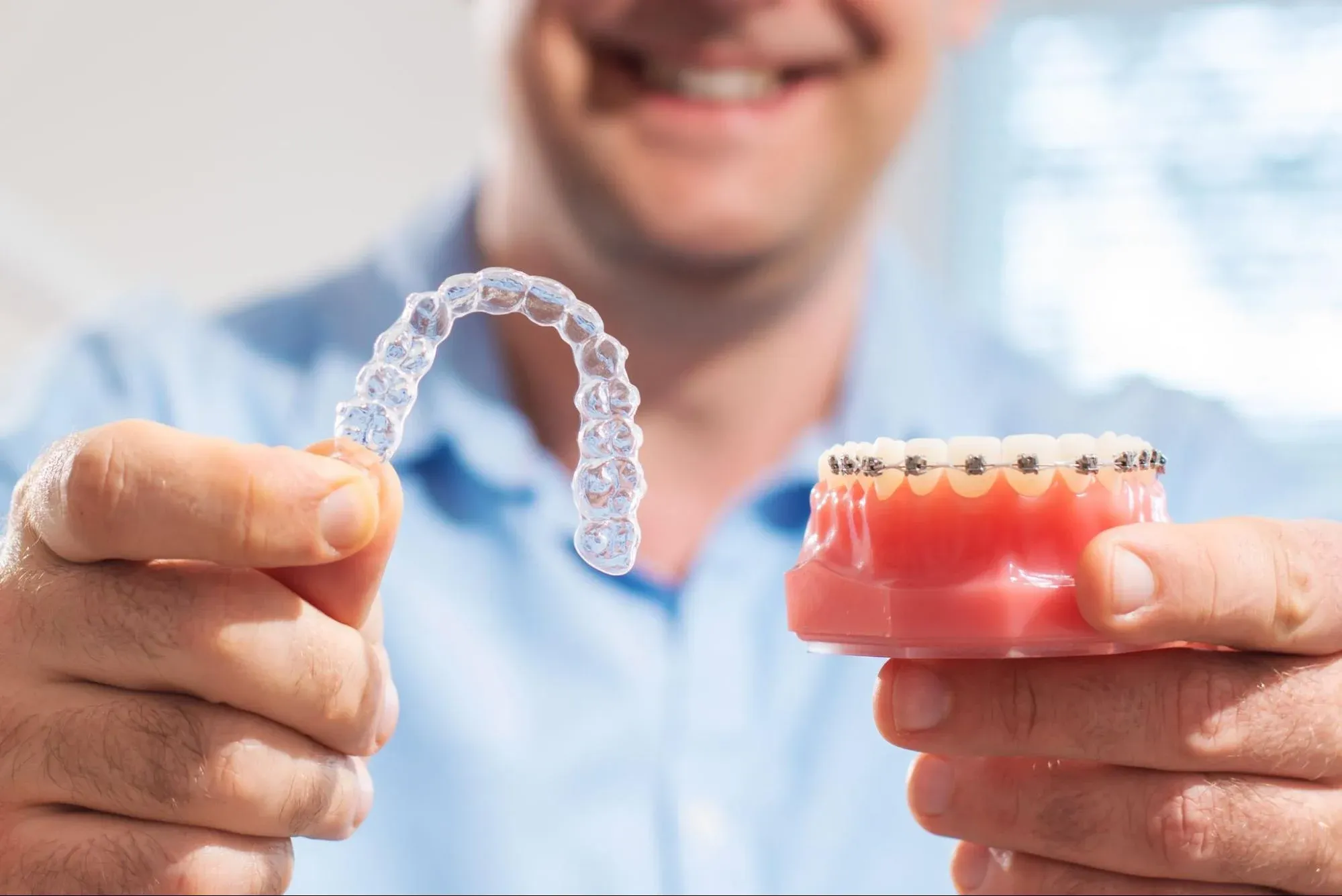
The Mechanics: Small metal or ceramic brackets are bonded (glued) directly to the front of each tooth. A thin metal wire, known as the archwire, connects these brackets. The orthodontist periodically tightens or changes this wire. The tension creates a constant, gentle pressure that guides the teeth into the desired position. Elastic bands (ligatures) hold the wire to the brackets, and rubber bands may be used to correct the bite alignment between the upper and lower jaws.
Modern braces are much smaller and more comfortable than they used to be. Today's brackets are less noticeable, and heat-activated wires use your body heat to move teeth faster and with less discomfort. Ceramic braces are also available, using tooth-colored brackets for a more subtle look while still working like regular braces.
Understanding Clear Aligners
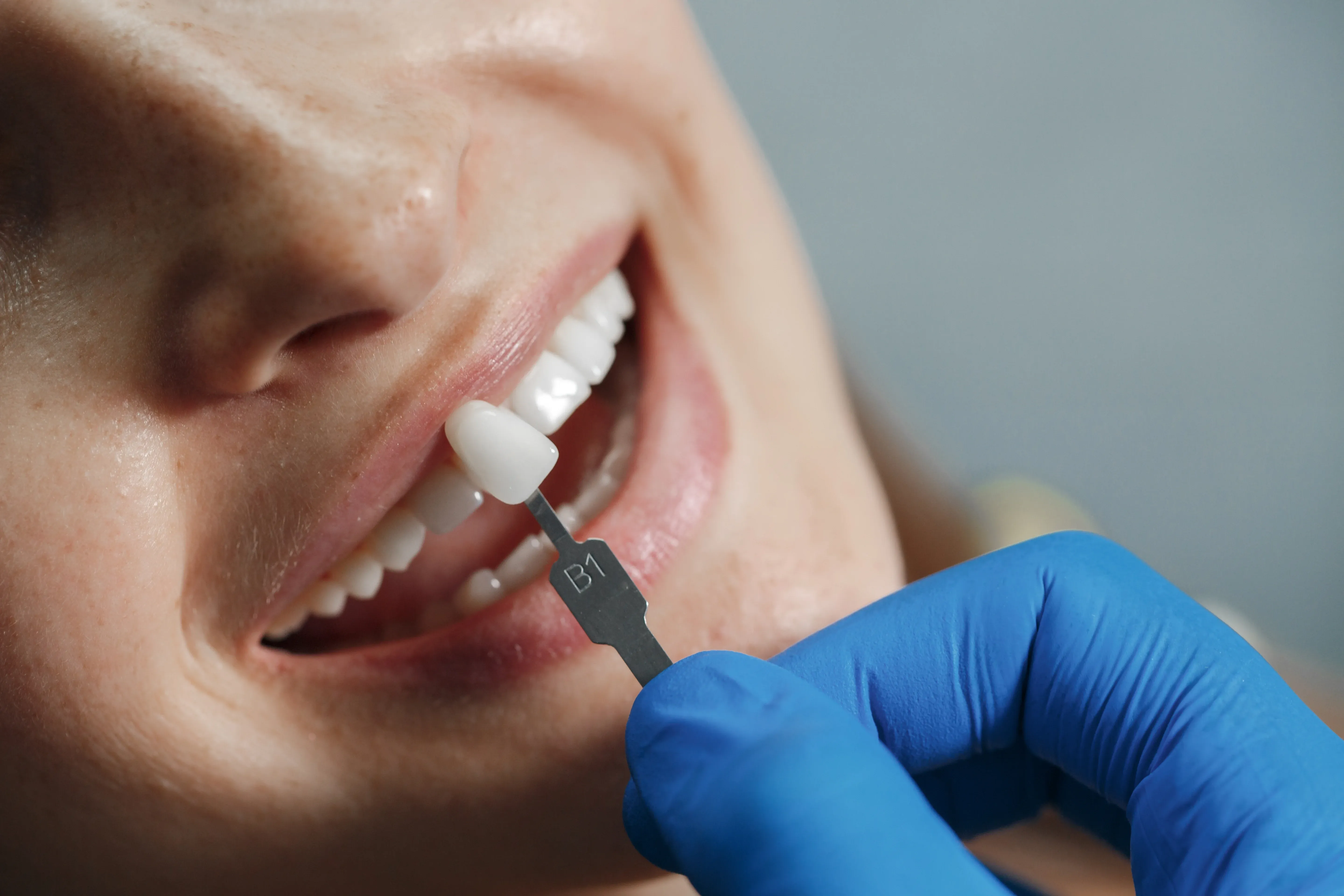
Clear aligners, like Invisalign and similar brands, are a digital approach to orthodontics.
The Mechanics: Instead of brackets and wires, this system uses a series of custom-made, clear plastic trays. These trays are generated using advanced 3D computer imaging technology that maps the entire treatment plan from the initial position to the final desired smile.
The Process: The patient wears a set of trays for one to two weeks. Each tray is slightly different from the last, designed to push specific teeth a fraction of a millimeter. Once the tray has done its job, the patient switches to the next one in the series. This continues until the teeth have reached their final positions.
Lifestyle and Usability
Both methods move teeth by altering the bone around them, but the patient experience is very different. Here are the main differences that usually help people decide.
This is the most obvious differentiator.
- Aligners are almost invisible. Most people won't notice you're wearing them unless they're very close. This makes them popular with adults, public speakers, and actors. Some aligner treatments use small, tooth-colored attachments or buttons on the teeth to help the trays work, and these can be slightly visible.
- Braces: Even with ceramic options, braces are visible. For some teenagers, this is a fashion statement (using colored bands); for many adults, it is a drawback.
This can be both an advantage and a challenge.
- Aligners: They are removable. You take them out to eat, drink, brush, and floss. This offers freedom; you can take them out for a wedding photo or a big presentation. However, this freedom comes with responsibility. Aligners must be worn for 20 to 22 hours a day. If you forget to put them back in or lose them, the teeth will not move, or worse, they will relapse. The success of the treatment is 100% dependent on the patient's compliance.
- Braces are fixed in place. You can't lose them or forget to wear them; they work all the time. For parents of forgetful teens or adults who know they might not stick to a routine, braces are often a safer and more reliable choice.
It's essential to keep your teeth clean during orthodontic treatment to avoid permanent white spots, called decalcification, on your enamel.
- Aligners: Hygiene is simple. You remove the trays, brush and floss your teeth as usual, clean them, and put them back in. There are no wires to trap food.
- Braces: Keeping your teeth clean is harder. Food can get stuck around the brackets and wires. Flossing takes more time and usually needs a threader to get between the wires. People with braces need to brush carefully and may need extra tools, such as water flossers or special brushes, to keep their gums healthy.
- Braces come with a long list of foods you should avoid. Popcorn, nuts, hard candies, sticky caramels, chewing gum, and even biting into an apple can break brackets or bend wires, so they're off-limits.
- Aligners: There are zero dietary restrictions. Because you remove the trays to eat, you can chew whatever you like. However, you must brush your teeth before putting the trays back in to avoid trapping sugar and acid against the enamel, which can create a "greenhouse effect" that promotes cavities. Also, you cannot drink anything other than water while wearing the aligners (hot coffee can warp the plastic; red wine will stain them).
Both methods involve shifting teeth, so some discomfort is inevitable, especially at the beginning of a new stage.
- Braces: The primary source of discomfort is usually the hardware itself. Brackets and wires can rub against the inside of the cheeks and lips, causing sores until the mouth toughens up (wax is used to help this). Tightening wires can cause a dull ache for a few days.
- Aligners: There is no metal to scratch the soft tissues, so they are generally more comfortable for the cheeks and lips. However, when a new tray is inserted, the pressure on the teeth can be significant and "tight" for the first 24 hours.
Clinical Capability: Can Aligners Fix Everything?
This is the most significant medical difference. At first, clear aligners were only used for mild crowding. Now, thanks to new technology, aligners can treat more complex bite problems, overbites, underbites, and gaps.
However, there are still limits. Traditional Braces are generally superior for:
- Rotating cylindrical teeth (like premolars) that are round and hard for plastic to grip.
- Adjusting the vertical height of teeth (pulling a tooth down or pushing it up).
- Severe malocclusions that require jaw surgery.
- Cases where multiple teeth need to be extracted, and significant gaps need to be closed in parallel.
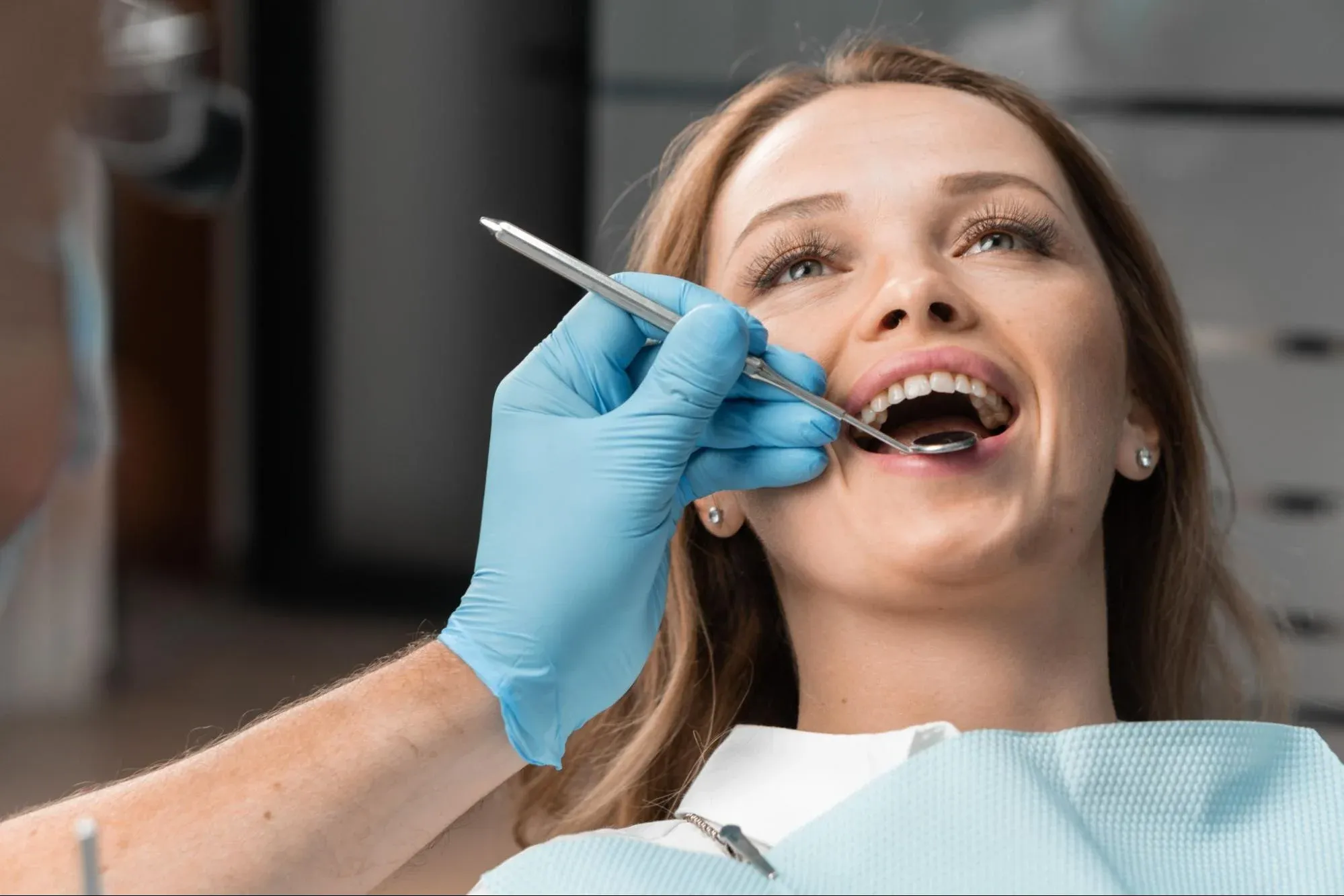
For the most complex changes in your mouth, fixed braces usually give more predictable results because they offer better control. Your orthodontist will look at your case and may suggest braces if aligners can't achieve the results you need.
Cost and Duration
- Treatment time is about the same for both options, usually 12 to 24 months. Sometimes, aligners can be faster for simple cases because the movement is planned. But if you don't wear your trays enough, aligner treatment can take much longer than braces.
- Aligners used to be much more expensive than braces. They still often cost more because of lab fees, but the price difference is more minor now. Many dental plans now help cover the cost of aligners, just like they do for braces.
Making the Decision That Fits Your Life
Choosing between braces and clear aligners is a personal choice that depends on your dental needs and your lifestyle.
- Choose aligners if you care most about appearance, can wear them 22 hours a day, want to eat whatever you like, and your orthodontic case isn't very severe.
- Choose Braces if you have a complex bite issue, you don't want the hassle of removing trays for every snack, think you might lose removable aligners, or want the most affordable option for major corrections. Aligners are merely instruments; the skill lies in the orthodontist's diagnosis and treatment planning. A straight smile is a lifetime investment in your confidence and health. Whether you choose the precision of steel or the subtlety of plastic, the result is a functional, beautiful bite worth the journey.
At İstinye University Dental Hospital , our Orthodontics Department offers both advanced clear aligner treatments and traditional braces. We know every smile is unique, and our team is here to help you find the option that fits your dental needs and lifestyle, making your journey to a perfect smile as smooth as possible.