Nature’s Cavity Fighter: The Truth About Professional Fluoride Applications
12/01/2026 17:55
14/08/2026 10:54
In preventative medicine, few things have been studied or debated as much as fluoride. For more than 70 years, dental associations around the world have called fluoride the most effective way to fight tooth decay. The Centers for Disease Control and Prevention (CDC) even listed water fluoridation as one of the "10 Great Public Health Achievements of the 20th Century."
Today, parents see a lot of conflicting information online. Questions like "Is it toxic?" "Does it lower IQ?" and "Is it natural?" can make parents unsure when a dentist recommends fluoride treatment for their child.
Let’s clear things up. Fluoride isn’t a synthetic drug—it’s a natural mineral found in rocks, soil, and water. Used properly at the dentist, it isn’t a poison; it acts like a vitamin for teeth. It’s the only thing that can actually "heal" a cavity when it’s just starting.
This guide will explain fluoride in simple terms. We’ll look at how it makes enamel stronger, how home toothpaste differs from the varnish used at the dentist, and why a quick 2-minute treatment is a smart step for healthy teeth.
The Battle for the Tooth: Demineralization vs. Remineralization
To understand fluoride, it helps to know how cavities form. It’s a chemical process.
- The Attack (Demineralization): Every time you eat sugar or carbs, bacteria in the mouth produce acid. This acid dissolves the minerals (calcium and phosphate) in tooth enamel. The tooth becomes soft and porous.
- The Repair (Remineralization): Saliva acts as a repair crew, depositing calcium and phosphate back into the enamel to harden it again.
If the acid attack is stronger than the repair crew can withstand, the surface collapses, leaving a hole (cavity).
- Original Enamel: Hydroxyapatite (Strong, but dissolves readily in acid).
- Fluoride-Infused Enamel: Fluorapatite (Super-strong, highly resistant to acid).
You can imagine fluoride as turning a wall made of clay bricks into one made of steel bricks.
Professional vs. Home Fluoride: The Concentration Difference
Many parents ask, "We use fluoride toothpaste at home, so why do we need it at the dentist too?"
The difference is concentration.
- Toothpaste: Typically contains 1,000-1,450 ppm (parts per million) of fluoride. This is a low-dose maintenance level meant for daily use.
- Professional Varnish: Contains roughly 22,600 ppm of fluoride. This is a high-dose "booster shot."
The purpose of professional fluoride is to create a reservoir on the teeth. The strong varnish sticks to the enamel and slowly releases fluoride for weeks, reaching deep areas a toothbrush can’t get to.
Types of Professional Applications
In the past, fluoride treatments used foam trays that kids had to bite on for four minutes without swallowing. Now, treatments are much quicker and safer.
1. Fluoride varnish is the gold standard. We use it for almost all children and many adults.
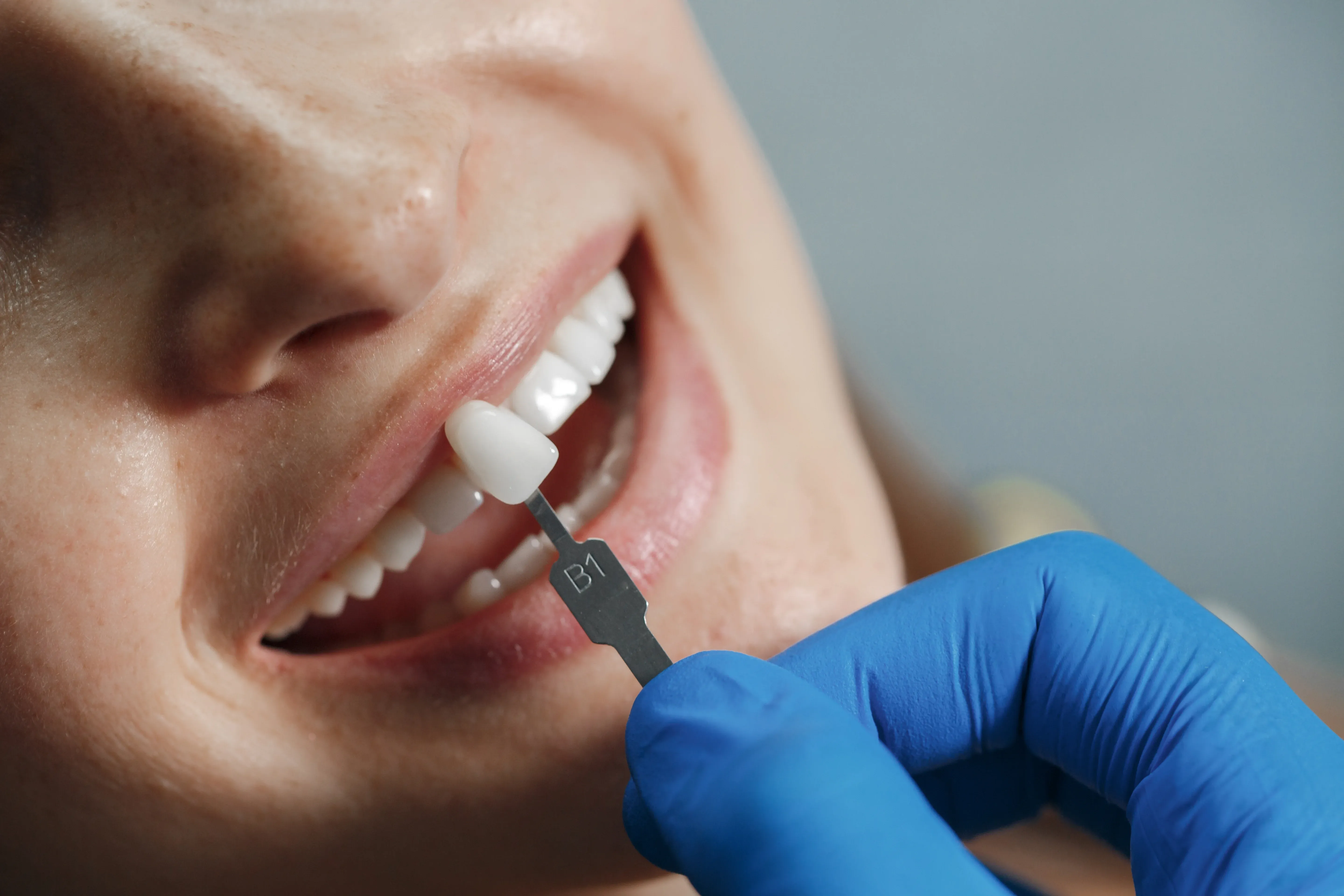
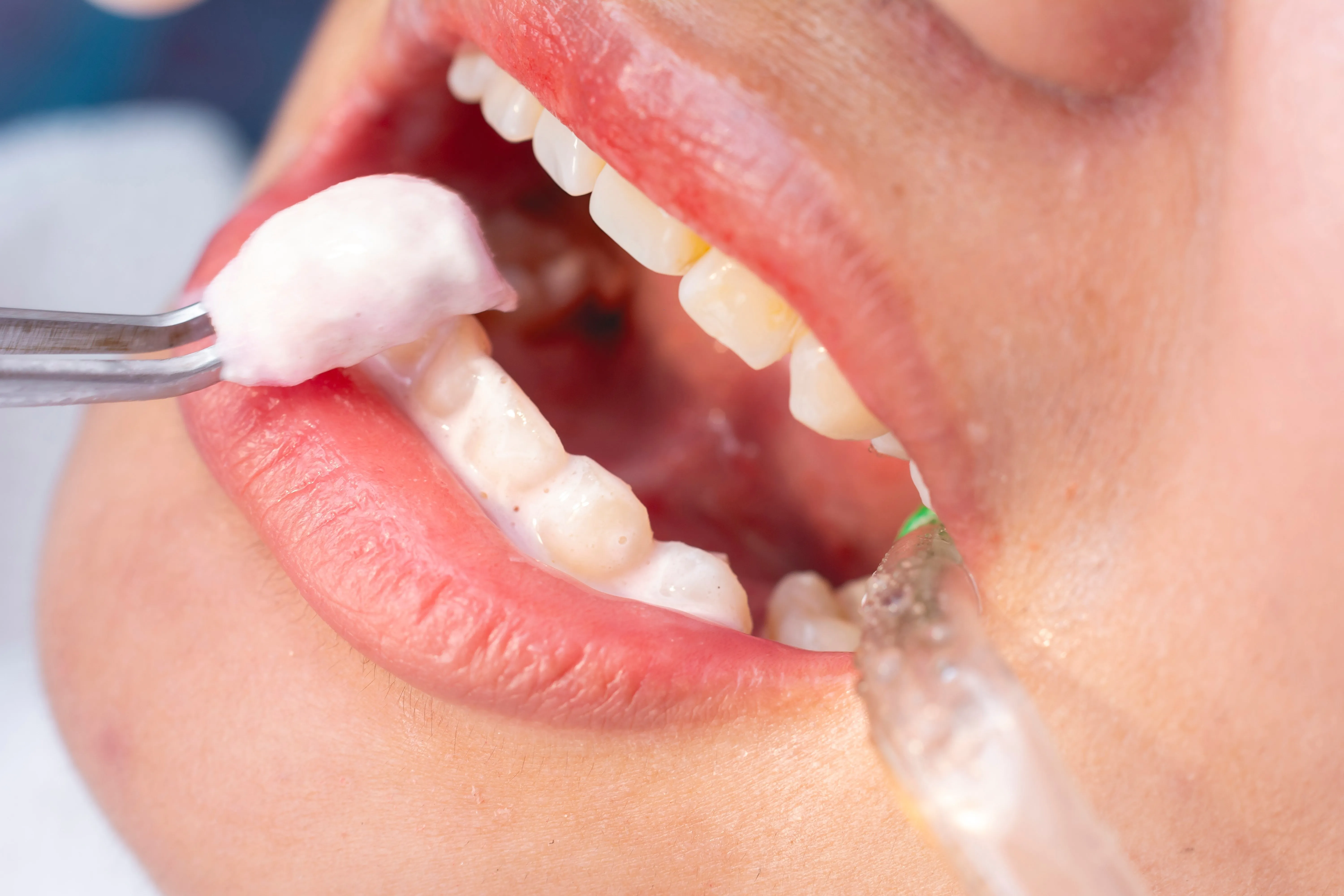
- The Procedure: It is a sticky, resin-based gel. The dentist paints it onto the teeth with a tiny brush. It takes about 60 seconds.
- The Comfort: It sets instantly upon contact with saliva. The child can close their mouth immediately. It usually comes in kid-friendly flavors like caramel, bubblegum, or strawberry.
- The Safety: Because it sticks to the teeth rather than floating in the mouth, the risk of swallowing it is minimal.
2. Fluoride gel or foam is sometimes used for older children or adults in trays. Because it requires the patient to control swallowing, it’s not recommended for toddlers.
3. Silver Diamine Fluoride (SDF) is a special liquid used to stop active cavities. If a child has a cavity but is too scared for drilling, we paint SDF on the tooth. The silver kills bacteria right away, and the fluoride hardens the area. The cavity turns black, which doesn’t look great, but it stops pain and infection without drilling.
Addressing the Safety Concerns: Is It Toxic?
People worry about toxicity because they misunderstand dosage. "The dose makes the poison."
- Water: If you drink 6 liters of water in an hour, you can die from water intoxication. Yet, water is essential for life.
- Salt: A cupful can be fatal. A pinch makes food taste good.
- Fluoride: If a child swallows a whole tube of toothpaste, it can cause a stomachache. But the amount in a varnish treatment is very small—less than a pea for the whole mouth—and it’s meant to stay on the teeth, not be swallowed.
What about "fluorosis"? This is a cosmetic issue where faint white lines appear on teeth. It only happens if a child swallows too much fluoride while their teeth are still developing under the gums, usually before age 8. Professional varnish is put on teeth that have already come in, so it can’t cause fluorosis. The real risk is when kids eat toothpaste like candy at home.
Who Needs Professional Fluoride?
The American Academy of Pediatric Dentistry (AAPD) recommends fluoride varnish treatments every 6 months for all children, starting from the eruption of the first tooth.
Some children are considered "high risk" and might need fluoride every three months:
- Children with braces (brackets trap food, causing white spot lesions).
- Children who sleep with a bottle are at high risk of dental decay.
- Children with deep grooves in their molars.
- Children with special needs who cannot brush effectively.
- Children with a history of recent cavities.
Fluoride isn’t just for kids—adults can benefit too!
- Gum Recession: Exposed roots are soft and prone to rapid decay. Fluoride hardens them.
- Dry Mouth (Xerostomia): Patients taking medications or undergoing radiation therapy may experience decreased saliva production. Fluoride is their only defense against rapid decay.
- Sensitivity: Fluoride blocks the tiny tubes in the dentin, reducing cold sensitivity.
Post-Application Care: The 4-Hour Rule
To make the treatment work best, we give parents a few simple instructions for the rest of the day:
-
Don’t brush tonight. Let the varnish stay on the teeth overnight, and brush as usual in the morning.
-
Avoid hot, crunchy, or sticky foods for 4 to 6 hours. Things like hot soup, chips, or sticky caramel can remove the varnish. Soft, cool foods are best.
-
Don’t worry if the varnish makes teeth look a bit yellow or dull for a day. This is temporary and will brush off tomorrow, leaving the enamel stronger and shiny.
An Invisible Shield
We can’t watch our kids all the time or stop every piece of candy at a party. We also can’t make sure every brushing is perfect. Professional fluoride treatments act as a safety net. They add a protective layer that helps stop early decay before it turns into a painful cavity.
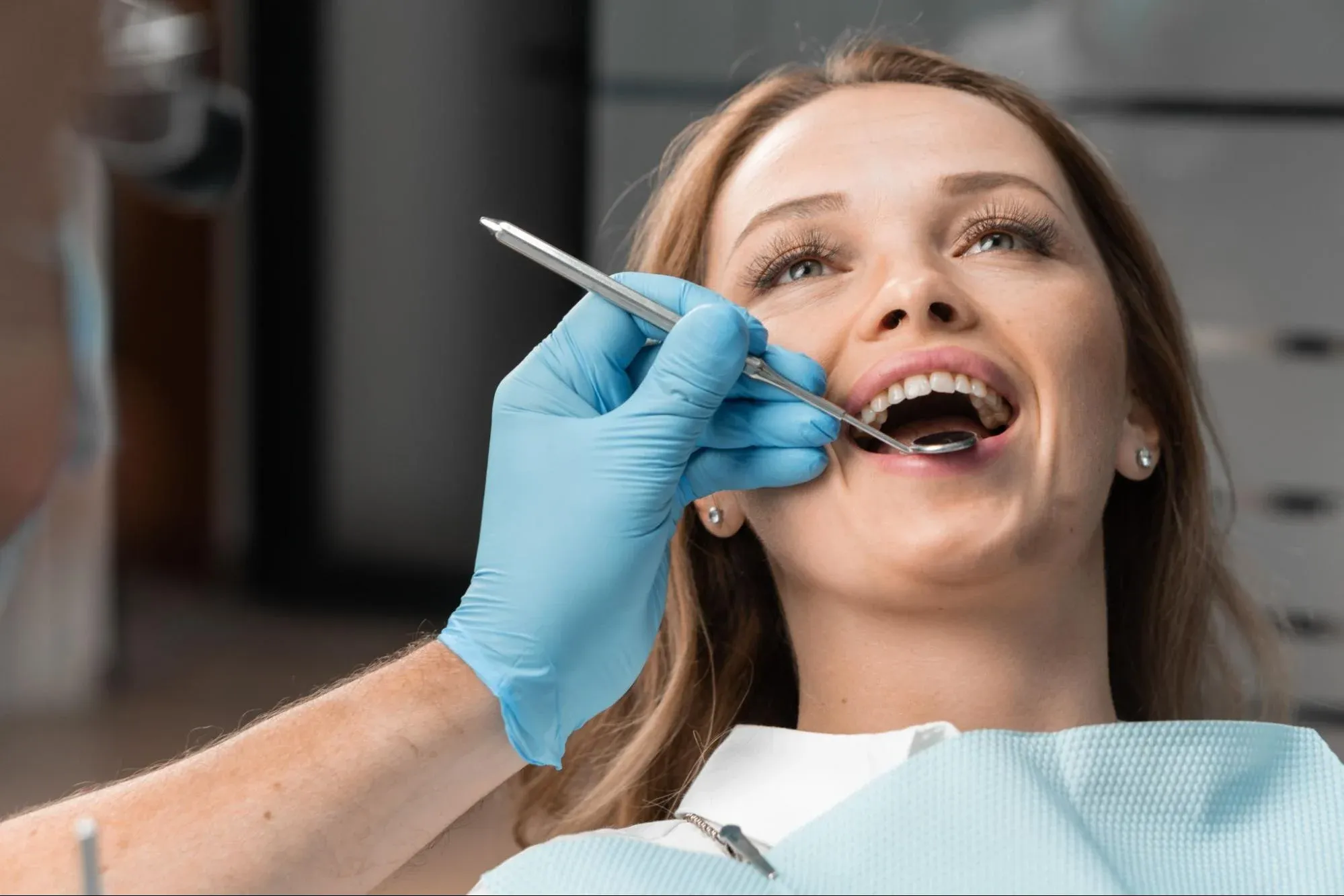
At İstinye University Dental Hospital, our Pedodontics Department uses top-quality, fast-setting fluoride varnishes. We check each child’s risk for cavities and adjust treatment as needed, so they get the right amount of protection. It’s a quick, painless, and effective way to help kids avoid cavities.