The Architects of a Smile: Porcelain Veneers and Esthetic Dental Solutions
12/01/2026 01:47
21/08/2026 15:32
- What Are Porcelain Veneers?
- The Problem Solvers: What Can Veneers Fix?
- The Process: From Design to Reality
- Beyond Veneers: A Spectrum of Esthetic Solutions
- The Longevity Question: Is It Permanent?
- Customization: The Death of "Chiclets"
- The Psychological Impact: More Than Vanity
- Investing in Yourself
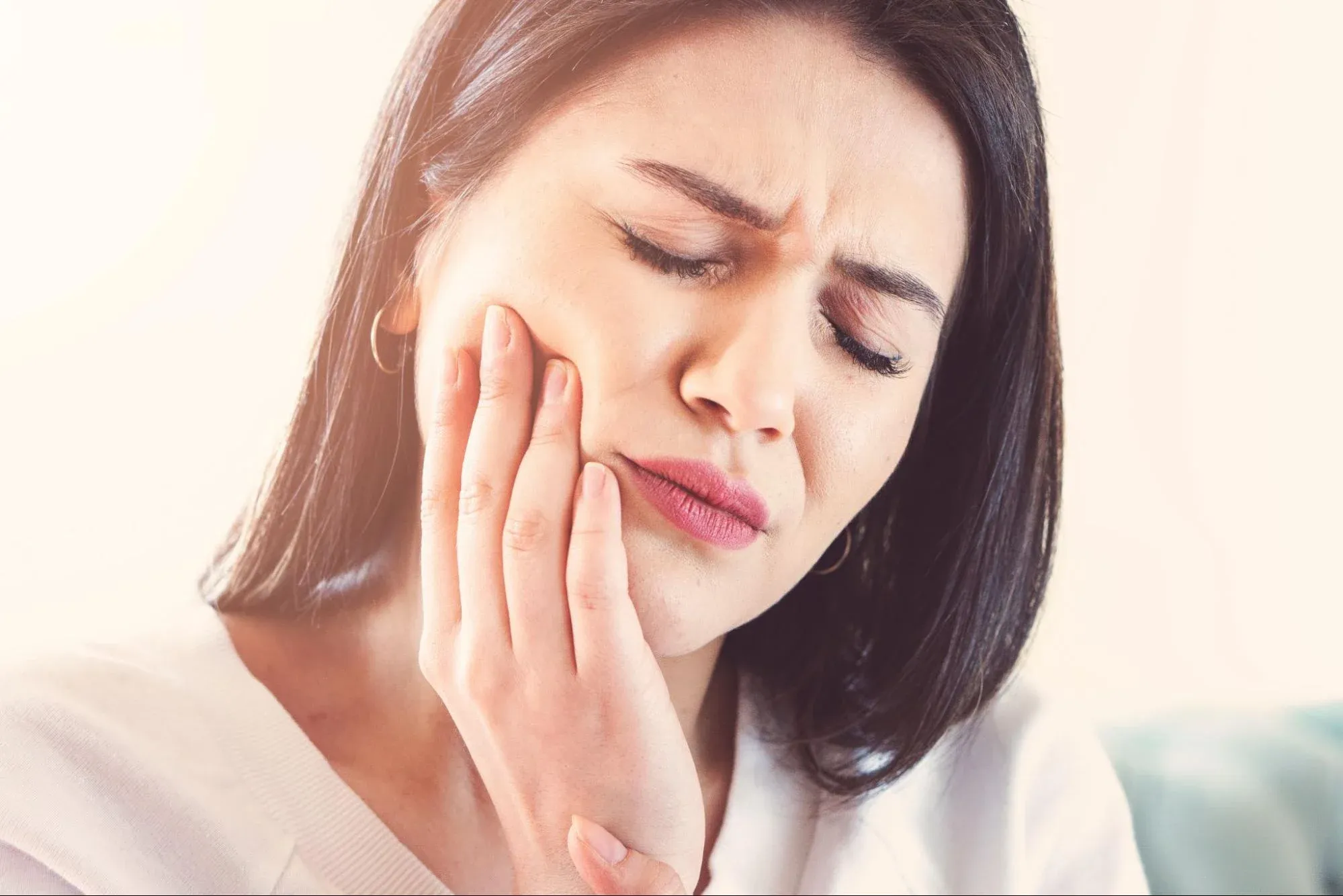
A smile is often the first thing we notice about someone and the last thing we remember. It can show warmth, success, and openness, no matter where you are from. But for many people, smiling can cause anxiety. Coffee stains, gaps, chips, or the effects of aging can make a smile feel insecure rather than confident.
This is where prosthodontics and esthetic dental solutions can help. Today’s cosmetic dentistry uses advanced techniques, so fixing a smile no longer means aggressive drilling or bulky crowns that look unnatural. Modern restorations now closely match the look and feel of real teeth.
Porcelain veneers lead this change. Sometimes called "instant orthodontics" or the secret to a "Hollywood Smile," veneers are now the top choice for smile makeovers. However, esthetic dentistry offers many solutions to fit different needs. This guide will help you learn about veneers and other options, so you can see how we create smiles that are both attractive and strong.
What Are Porcelain Veneers?
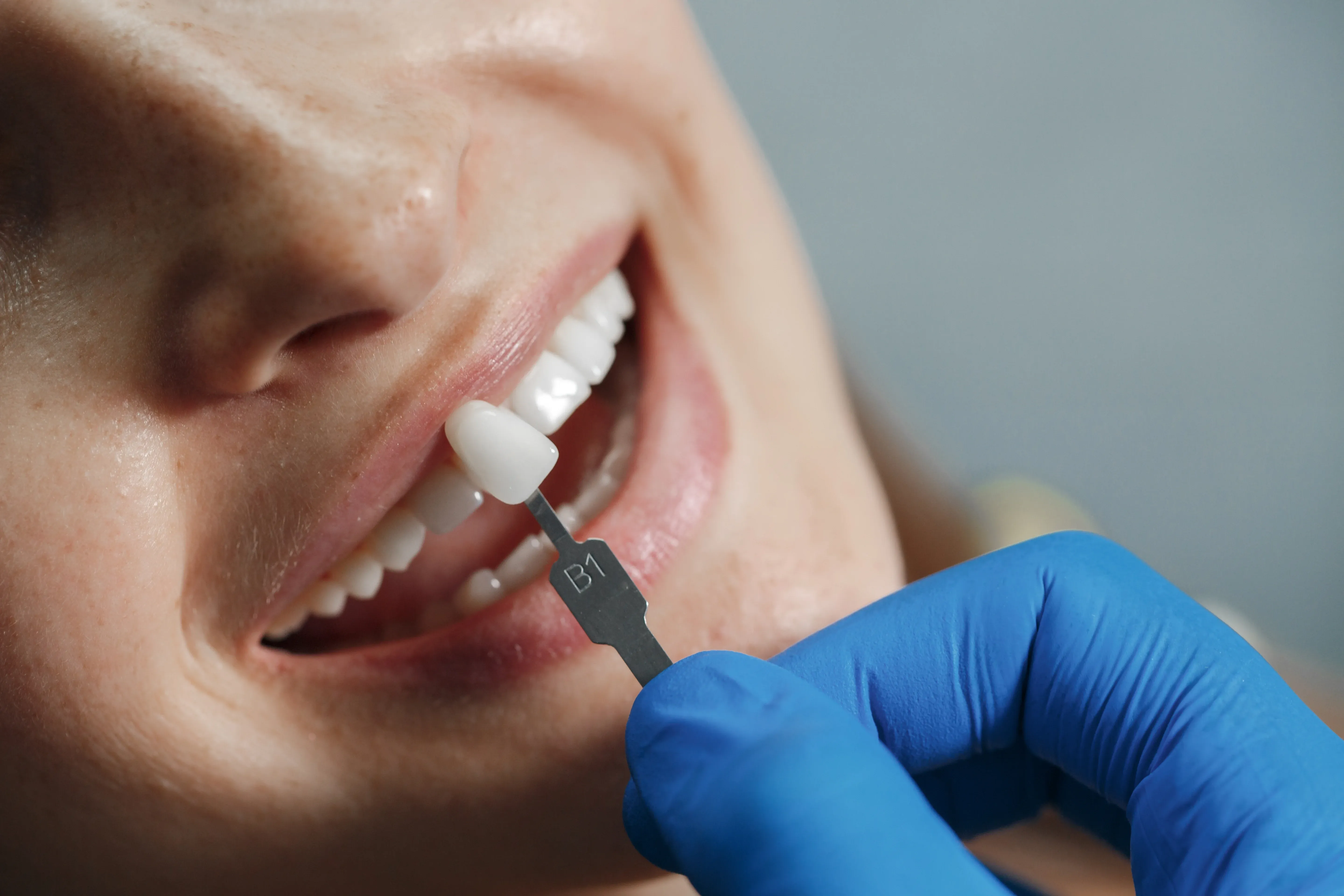
Think of veneers like contact lenses. A veneer is a very thin shell, often just 0.3 millimeters thick, made from medical-grade ceramic. It is bonded to the front of a tooth to improve its appearance.
Unlike a crown, which covers the entire tooth like a helmet, a veneer covers only the visible face of the tooth. This is a crucial distinction because it aligns with the modern philosophy of Minimally Invasive Dentistry. The goal is to preserve as much of the healthy, natural tooth structure as possible while completely transforming its outward appearance.
Why use porcelain? Dentists have many materials to choose from, but porcelain is still the best choice for veneers.
-
Biocompatibility: Gum tissue tolerates porcelain exceptionally well, reducing the risk of inflammation.
-
Stain Resistance: Porcelain is a glass-like ceramic. It is incredibly dense and smooth, making it impervious to stains from coffee, tea, red wine, or cigarette smoke. A veneer placed today will be the same shade 15 years from now.
-
Light Transmission: Natural enamel lets light pass through, which gives teeth their depth. Porcelain copies this effect, while older materials often looked flat and dull.
The Problem Solvers: What Can Veneers Fix?
Veneers are rarely used for just one problem; they are multi-taskers. They act as a camouflage for a wide array of dental imperfections.
-
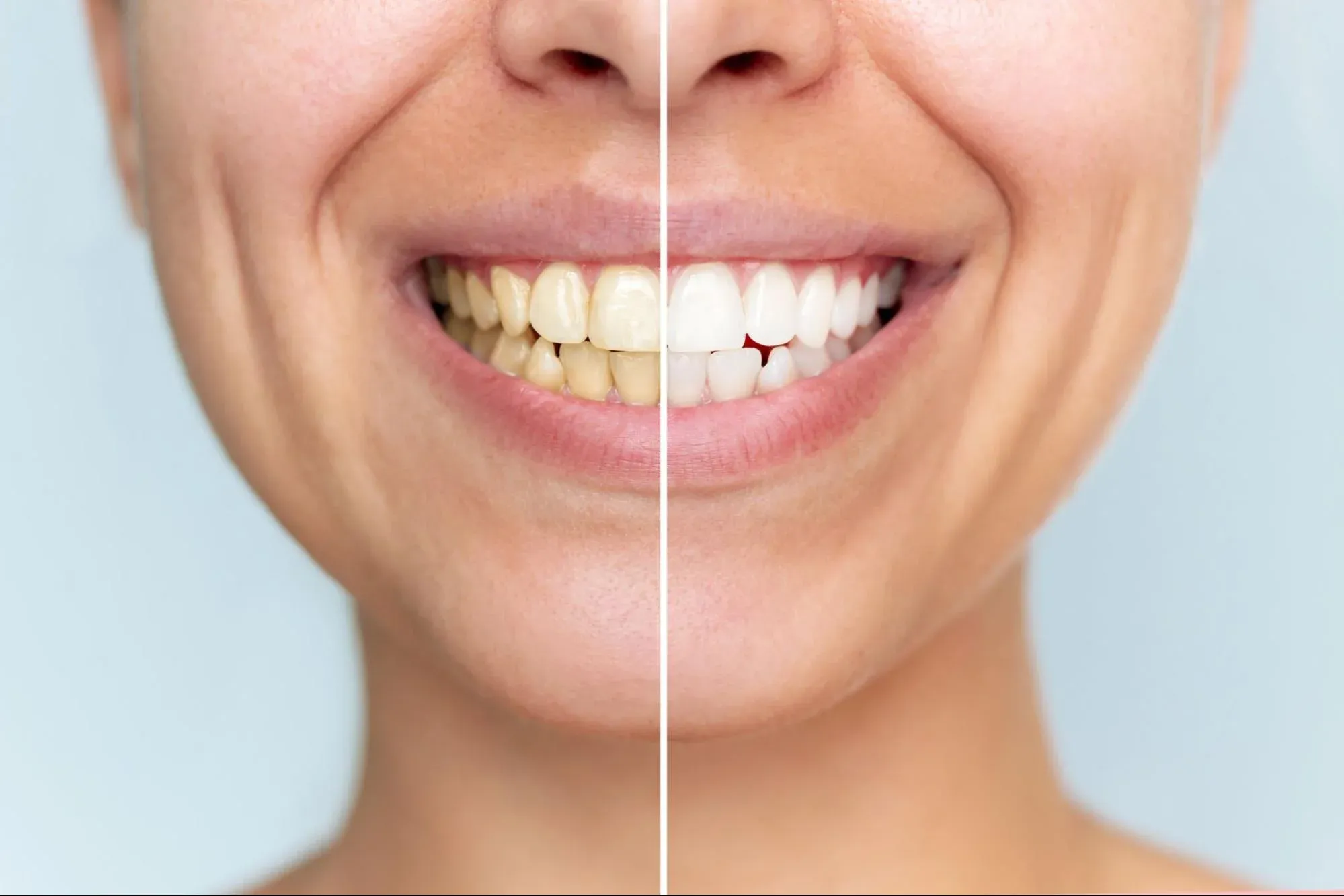
Discoloration: Some teeth have "intrinsic" stains—deep gray or yellow bands caused by tetracycline antibiotic use in childhood or trauma. These stains do not respond to chemical whitening. Veneers cover them completely, offering a permanent white shade.
-
Wear and Tear: As we get older, teeth can wear down and look flat, which may make the face appear older. Veneers can lengthen teeth and bring back a youthful curve to your smile.
-
Chips and Cracks: Small fractures that compromise the look of the tooth.
-
Misalignment: For teeth that are slightly crooked or rotated, veneers can create the illusion of perfect alignment without years of braces.
-
Diastemas (Gaps): Veneers can be made a bit wider to close gaps between teeth, giving a smooth, even appearance.
The Process: From Design to Reality
Creating a new smile is similar to building a custom home—it starts with a plan. The process usually has three main steps.
Phase 1: The Design (The "Why") The journey begins with a conversation. Do you want a "Hollywood" white smile, or a "Natural" European style? Do you want rounded, feminine edges or square, masculine corners? Using Digital Smile Design (DSD) technology, the dentist takes high-resolution photos and videos of your face in motion. We analyze the relationship among your eyes, lips, and teeth. We can even create a digital simulation or a "mock-up"—a temporary resin version of the new smile placed directly in your mouth—so you can "test drive" the look before committing.
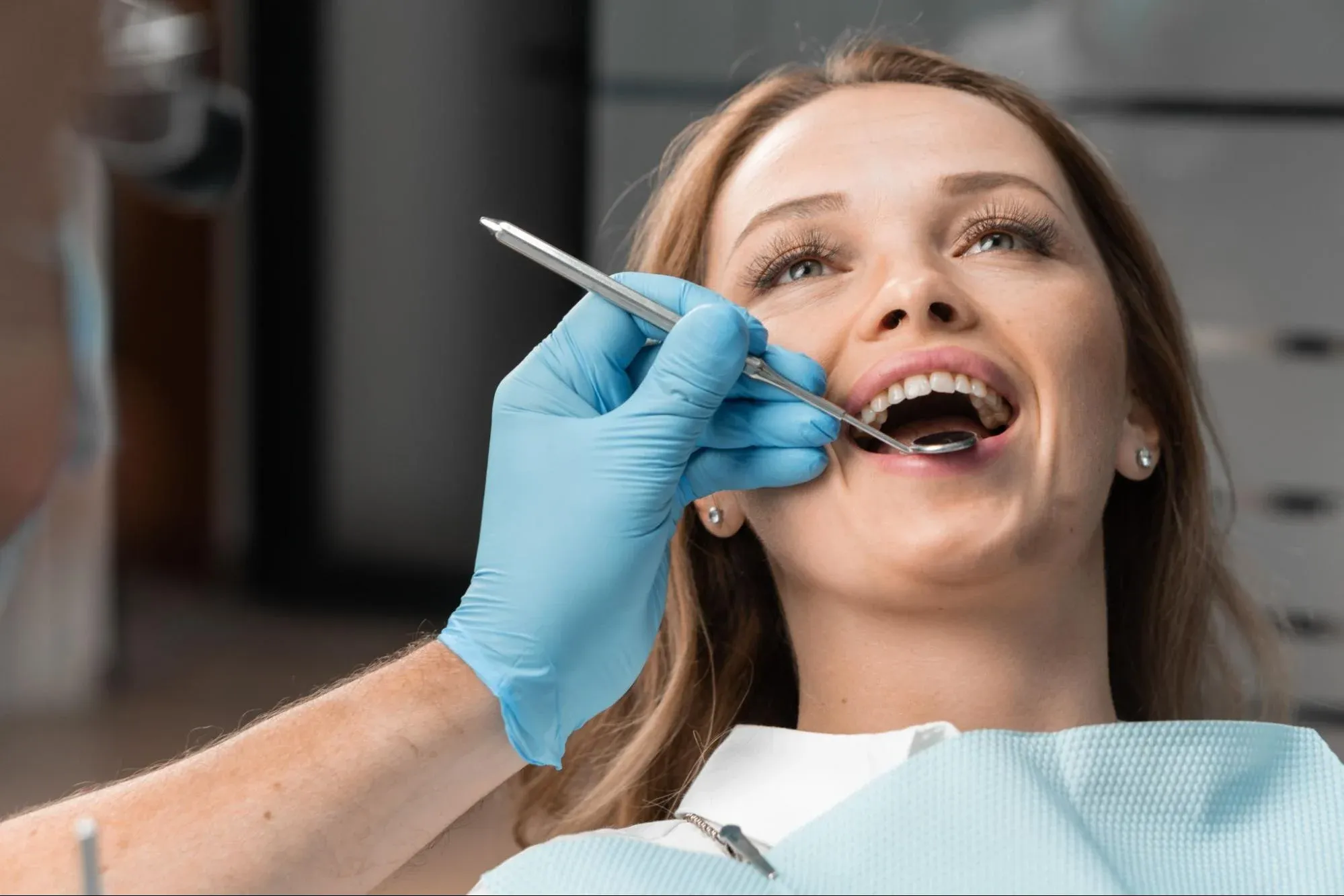
Phase 2: The Preparation (The "How") To make sure veneers look natural and not bulky, a small amount of enamel—usually less than half a millimeter—is gently removed from the front of your teeth. This makes room for the porcelain shell. The dentist then takes precise impressions or digital scans and sends them to a skilled ceramist who creates your custom veneers. You will get temporary veneers to protect your teeth until the final ones are ready.
Phase 3: The Transformation (The "Wow") After a week or two, your final veneers are ready. At this appointment, the dentist checks the fit, color, and shape. Once everything looks right, your teeth are cleaned and the veneers are attached using strong resin cement and light-curing tools. The result is a strong bond that makes the veneer part of your tooth.
Beyond Veneers: A Spectrum of Esthetic Solutions
While veneers are the stars of the show, they are not the only actors. Esthetic dentistry involves choosing the right tool for the specific biological problem at hand.
1. Cosmetic Bonding (Composite Veneers): For patients who are younger, on a budget, or need only minor corrections, composite bonding is an alternative. Instead of a lab-made ceramic shell, the dentist sculpts tooth-colored resin directly onto the tooth. While beautiful, it is less durable than porcelain and more prone to staining over time.
2. All-Ceramic Crowns (E-Max / Zirconia): If a tooth is badly damaged or has had a root canal, a veneer may not be strong enough. In these cases, we use all-ceramic crowns. Modern E-Max or Zirconia crowns are metal-free, look natural, and protect the whole tooth.
3. Gum Contouring (Pink Aesthetics): Sometimes, the teeth look good but the gums are uneven or cover too much of the tooth, causing a "gummy smile." A laser can reshape the gum line, making teeth look longer and more even. This is often done before placing veneers.
The Longevity Question: Is It Permanent?
Patients often ask, "How long do veneers last?" While nothing in medicine lasts forever, porcelain veneers are very durable. With good care, they usually last 10 to 15 years or even longer. Taking care of them is the key to making them last.
-
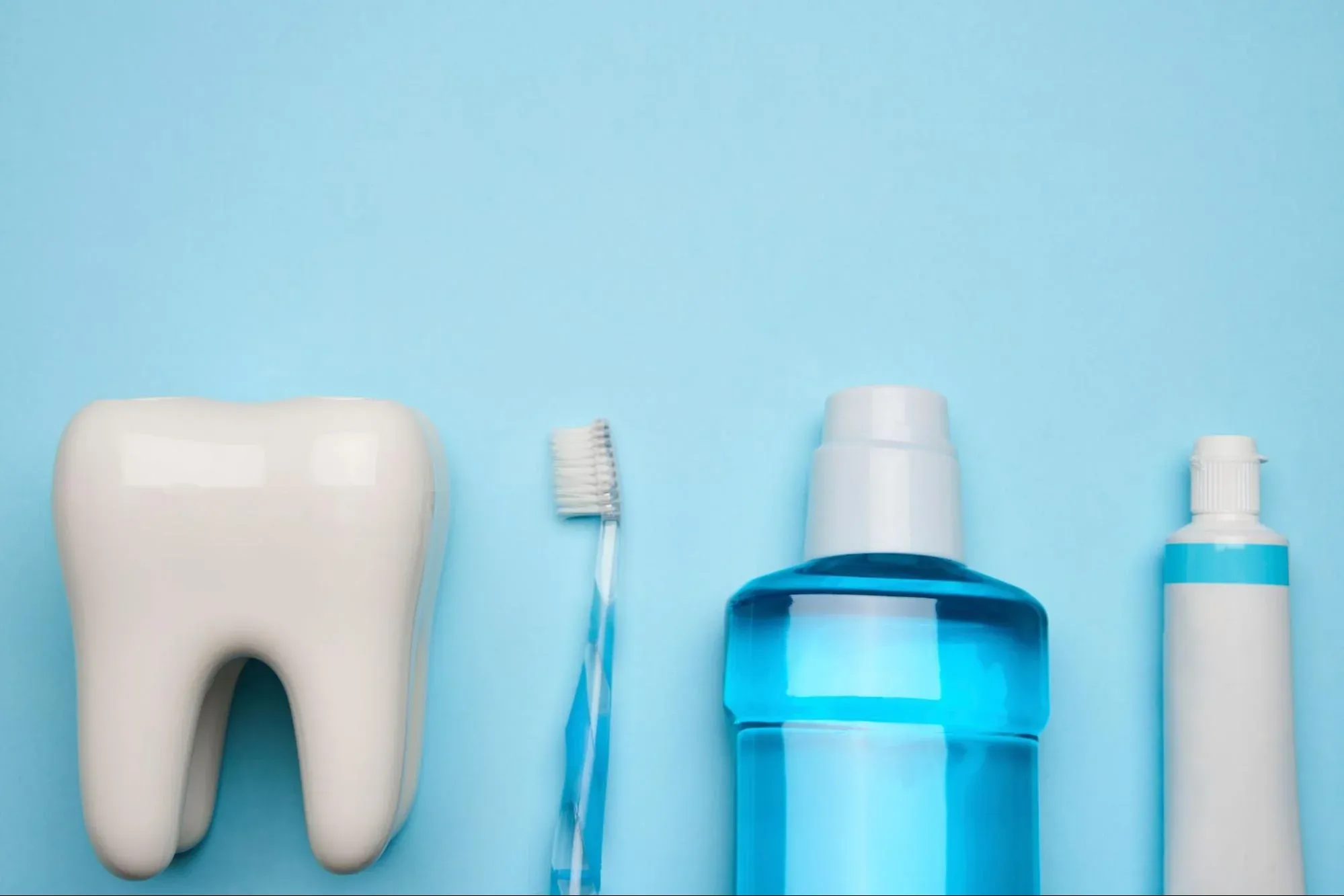
Hygiene: You must brush and floss normally. A veneer cannot decay, but the tooth structure under the veneer still can.
-
Habits: Porcelain is strong but can break if misused. Avoid using your veneered teeth to open packages, bite your nails, or chew ice.
-
Protection: If you grind your teeth at night (bruxism), you must wear a night guard to protect the veneers from breaking under pressure.
Customization: The Death of "Chiclets"
Many people worry about getting teeth that look fake—too white, too large, or too flat. This was more common with older methods. Today, esthetic dentistry focuses on copying nature. Real teeth have color changes and texture. Skilled ceramists add these details to veneers, aiming for a smile that looks natural and real.
We also look at your face shape:
-
Oval Face: Can handle slightly square teeth to add definition.
-
Heart-Shaped Face: Often benefits from rounded, softer tooth edges.
-
Square Face: Can be softened with oval-shaped teeth.
The Psychological Impact: More Than Vanity
Calling esthetic dentistry just vanity overlooks how much a smile can affect how we feel. Studies show that people who like their smiles are seen as more attractive, smart, and successful. More importantly, they feel more confident. We often see patients who used to hide their smiles start laughing openly and standing taller. It truly helps restore self-esteem.
Investing in Yourself
Esthetic dental solutions are an investment in both your appearance and your quality of life. Choosing these treatments means deciding to show your best self. The results depend a lot on the skill of the prosthodontist and the quality of the lab. Cutting corners can lead to poor results or even harm.
Whether you want to fix one chipped tooth or get a full smile makeover, you need a partner who understands both the science and art of dentistry. At İstinye University Dental Hospital, our Prosthodontics Department follows this approach. We use advanced digital scanning, high-quality ceramic materials, and a patient-focused design process to create smiles that look great and last.