The Art of Instant Transformation: A Comprehensive Guide to Dental Bonding
12/01/2026 00:55
21/08/2026 14:04
When people think about getting a perfect smile, they often picture invasive procedures, many appointments, and high costs. Most of us connect cosmetic dentistry with porcelain veneers or full crowns, which are effective but require changing the natural tooth structure permanently.
But there is a dental procedure that fills the space between small fixes and major makeovers. It is quick, often reversible, usually painless, and more affordable than you might expect. This is called dental bonding.
Also called composite bonding or adhesive dentistry, this method lets a dentist shape a new smile right on your teeth in just one visit. Whether you need to fix a chipped front tooth, close a gap between your front teeth, or change the shape of a tooth that looks out of place, bonding gives you a quick solution. Even though bonding is popular, many people are not sure what it involves or how it is different from veneers. Is it permanent? Does it look natural? This guide explains the science and art behind dental bonding, showing how this flexible material can restore both the look and function of your smile.
What Exactly is Dental Bonding?
Dental bonding is a process where a tooth-colored resin is applied to your tooth using adhesives and a special curing light. The name 'bonding' comes from the way the material sticks directly to the tooth.
The Material: Composite Resin. This is a sophisticated mixture of plastic (acrylic resin) and glass-like fillers such as silicon dioxide or quartz.
-
The Glass Fillers: Provide strength, wear resistance, and translucency that mimics natural enamel.
Unlike porcelain veneers, which are made in a lab and then attached to your teeth, dental bonding is done right in the dental chair. The dentist works directly in your mouth, layering, shaping, and polishing the resin to create the final look on the spot.
The Versatility of Bonding: When is it Used?
Bonding is a very versatile tool in cosmetic dentistry. It can solve many different cosmetic and functional dental problems, such as:
1. Repairing Chipped or Cracked Teeth. This is the most common use. If you bite down on a fork or fall and chip the corner of an incisor, bonding can seamlessly rebuild the missing piece. Because the material comes in dozens of shades, the repair is often invisible.
2. Closing gaps (diastema closure). Many people have spaces between their teeth, especially the front two. Braces or Invisalign can close these gaps, but they take a long time. Bonding can close the gap in about 45 minutes by adding material to the sides of the teeth, making them wide enough to meet.
3. Changing tooth shape and length. Some people have 'peg laterals,' where the teeth next to the front ones are too small or pointy. Bonding can build these teeth up to a normal size. It can also lengthen teeth that have been worn down by grinding, helping restore a more youthful look.
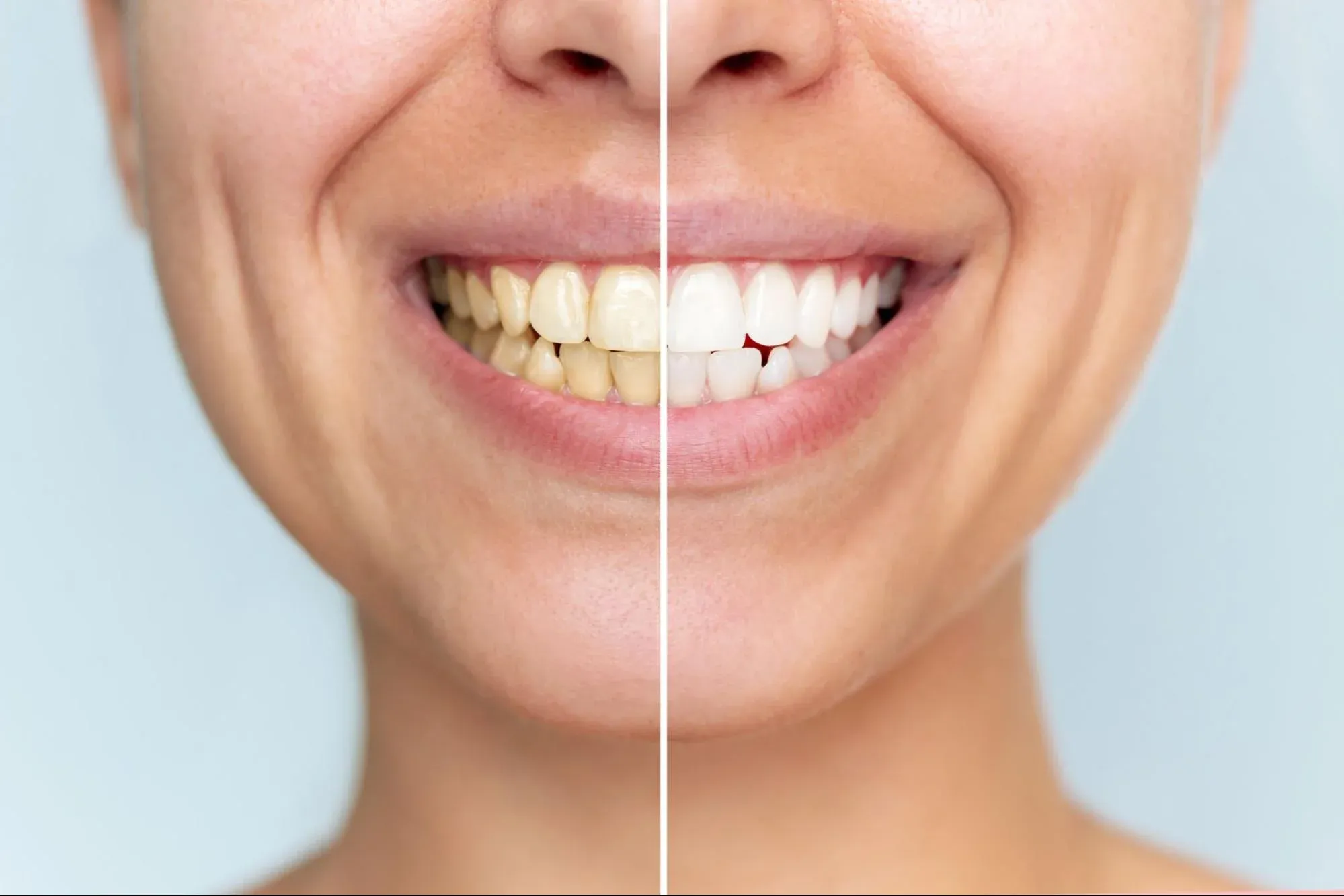
4. Masking Discoloration If a tooth is internally stained (perhaps from trauma or antibiotics) and doesn't respond to whitening, a thin layer of composite bonding can be placed over the front surface to hide the discoloration.
5. Protecting exposed roots. If your gums recede from brushing too hard or gum disease, the root of the tooth can become exposed and sensitive. Bonding can cover the root, reduce sensitivity, and help protect it from decay.
The Procedure: A Sculpture in Real-Time
One of the biggest benefits of bonding is how simple it is for the patient. Unless it is used to fill a cavity, you usually do not need any numbing.
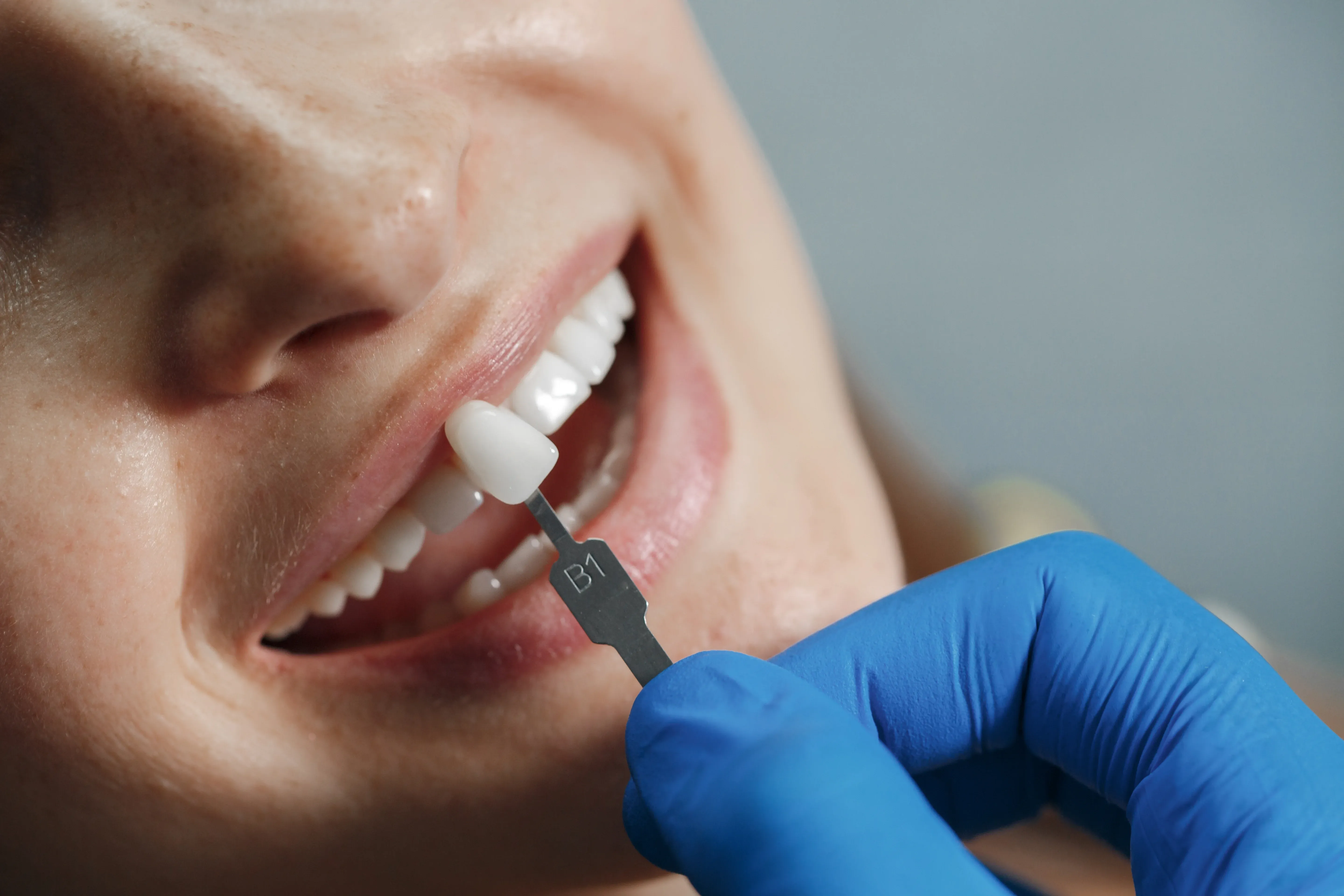
Step 1: Shade Selection. Before starting, the dentist uses a shade guide to match the composite resin to your natural teeth. Modern aesthetic dentists use a "layering technique," selecting different opacities (denser material for the core, translucent material for the biting edge) to mimic the complex light-reflecting properties of a real tooth.
Step 2: Preparation. The dentist gently roughens the tooth surface and applies a conditioning liquid. This mild acid creates tiny pores in the enamel, similar to sanding wood before painting, so the bonding material can stick better.
Step 3: Application. The dentist puts on a liquid bonding agent and hardens it. Then, the composite resin, which feels like putty, is applied. The dentist shapes and polishes the material to match the natural tooth.
Step 4: Curing. Once the shape is right, a special light is used to harden the resin. This light causes a reaction that quickly turns the soft material into a hard, durable surface.
Step 5: Finishing and polishing. The dentist trims the hardened resin to perfect the bite and shape, then polishes it with special tools and pastes to match the shine of your natural teeth.
Bonding vs. Porcelain Veneers: The Great Debate
Many patients ask, "Why choose bonding instead of veneers?" Both can improve your smile, but they work in different ways.
1. Conservation of Tooth Structure:
-
Bonding: Adds material to the tooth, so we usually do not need to remove any natural tooth. It is often reversible.
-
Veneers: Require removing a layer of healthy enamel to make space for the porcelain shell. Once you have veneers, you cannot return to your natural teeth.
2. Cost:
-
Bonding costs much less, often about one-third or half the price of veneers, because there are no lab fees.
-
Veneers are a premium investment due to the cost of the ceramic and the lab technician's artistry.
3. Durability and Stain Resistance:
-
Bonding: The material is a type of advanced plastic and is slightly porous. Over 5 to 7 years, it can pick up stains from coffee, wine, or smoking and may lose its shine. It can also chip if you bite hard objects.
-
Veneers: Porcelain is like glass. It does not stain or change color and is much harder and more durable than bonding, usually lasting 10 to 15 years or longer.
In summary, bonding is great for small fixes, younger people, or anyone looking for a more affordable and conservative option. Veneers are better for heavy smokers or those who want a long-lasting, dramatic change in color and shape.
Maintenance: Caring for Your Bonded Smile
While bonding material is strong, it is not as strong as natural enamel. To extend the life of your bonding:
-
Avoid using your teeth as tools. Do not open packages, bite your nails, or chew on pens, as these are the main reasons bonding can chip.
-
Watch the Staining Foods: Tea, coffee, red wine, turmeric, and soy sauce can stain the margins of the bonding over time. Rinsing with water after consuming them helps.
-
No whitening: Bonding material does not get whiter with bleaching. If you want to whiten your teeth, do it before bonding so the dentist can match the color. If you whiten after, your natural teeth will get lighter, but the bonding will not, which can make the color look uneven.
Who is the Ideal Candidate?
The ideal candidate for bonding is someone with healthy teeth who has minor aesthetic flaws they want to correct. It is not a solution for severely decayed or broken teeth (which need crowns) or for people with severe crowding (who need orthodontics).
Bonding is also a great way to try out changes. Since it adds material to your teeth, you can see what longer or squarer teeth would look like before deciding on more permanent and costly veneers.
Sculpting Your Confidence
Dental bonding combines medical science and artistic skill. It takes a dentist who understands how to make the bonding look natural and beautiful, not just how it sticks to the tooth.
For a patient, it offers instant gratification—walking in with a chipped, gapped, or uneven smile and walking out an hour later with a harmonious, restored look. It is the least invasive path to a significant boost in confidence.
However, the success of bonding depends completely on the dentist’s skill. Unlike a crown made in a lab, the final result is shaped by the dentist’s technique. At İstinye University Dental Hospital, our Restorative Dentistry team is trained in advanced methods of aesthetic layering and biomimetic adhesion. We treat every bonding case as a custom project, making sure the result is a seamless, natural improvement that lets your real smile shine.