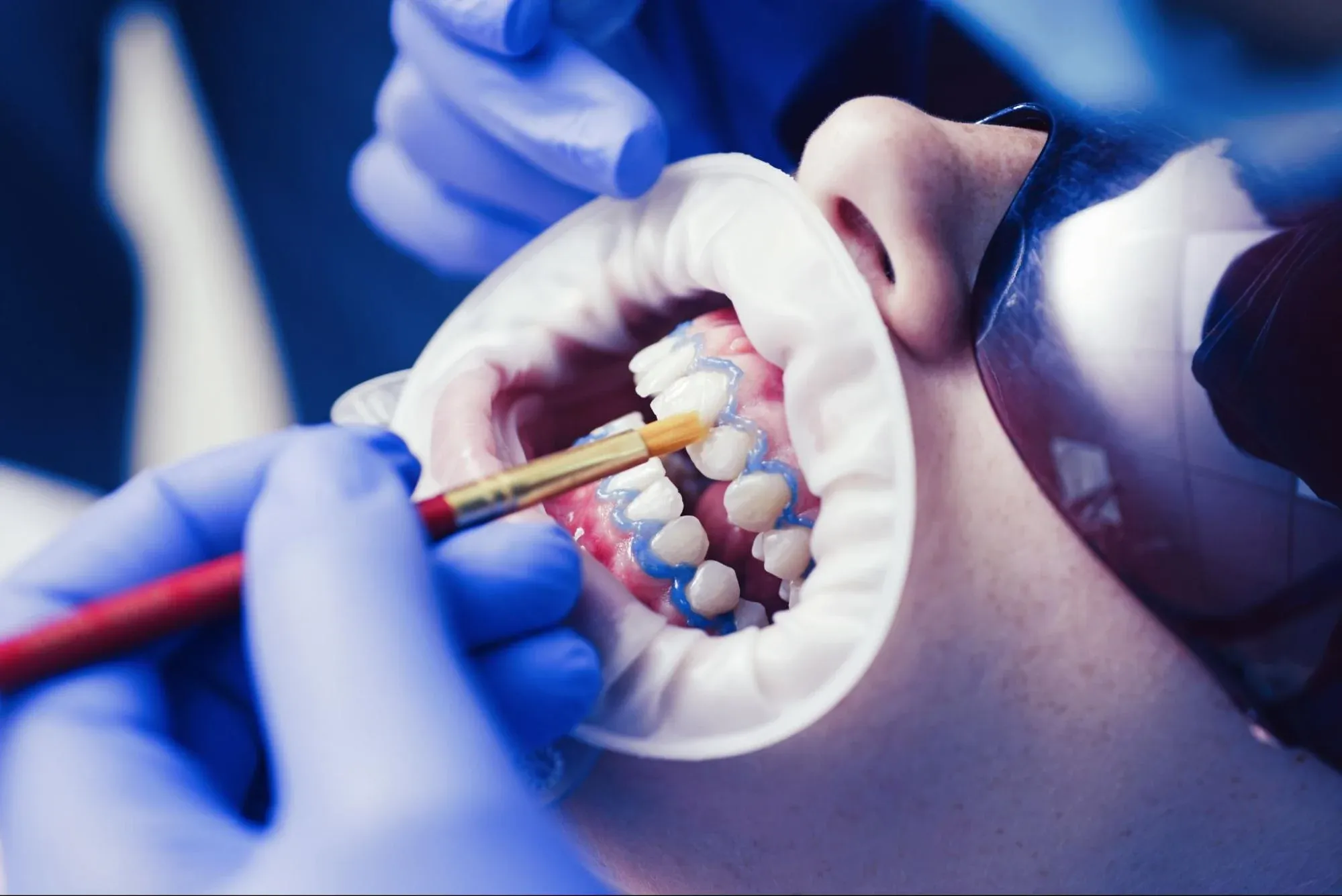
Designing Destiny: The Art, Science, and Psychology of the Digital Smile Design (Hollywood Smile)
12/01/2026 01:51
21/08/2026 14:30
A smile is much more than just a movement of muscles. It is a universal way to connect, showing confidence, warmth, health, and success before you even speak. Studies show that people remember a smile most after meeting someone. On the other hand, hiding your smile out of insecurity can affect your confidence and lead to social withdrawal.
In the past, cosmetic dentistry was often uncertain. Patients would ask for "better teeth," and dentists would fix individual issues, like adding a crown or a veneer, but often without an overall plan. This sometimes led to dental work that looked good on its own but didn’t match the patient’s face.
Now, we have entered the era of Smile Design. Known as the "Hollywood Smile," this idea has grown into Digital Smile Design (DSD). It’s not just about fixing teeth anymore. Dentists now look at your whole face—your eyes, lips, skin tone, and even your personality—to create a smile that truly fits you.
This guide will show you what happens during a smile makeover. It explains common terms, the difference between a "Hollywood" and a "Natural" smile, and how new technology lets you preview your new smile before any dental work begins.
What is Smile Design?
Smile Design is not a specific procedure like a filling or an implant. It is a planning protocol. It is the architectural blueprint for your mouth.
Just as you wouldn't build a house without an architect's drawings, you shouldn't reconstruct a smile without a design. Smile Design treats the face as a canvas. It acknowledges that teeth do not exist in isolation. They must fit within the frame of the lips and align with the symmetry of the eyes and the horizon of the face.
The goal is to solve many cosmetic issues with one complete plan:
-
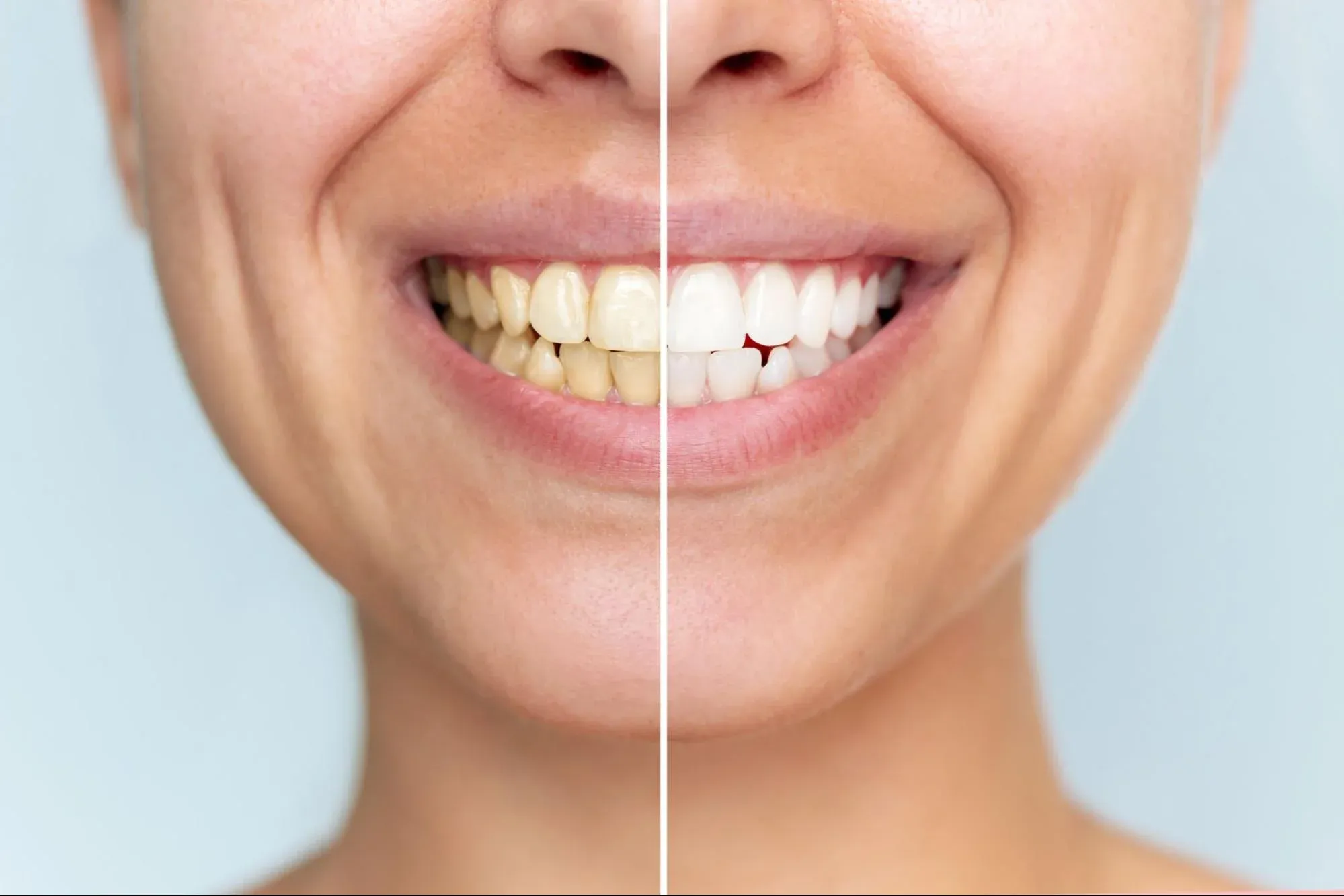
Color: Correcting discoloration or dullness.
-
Alignment: Fixing crooked or overlapping teeth.
-
Shape: Altering teeth that are too short, too round, or worn down.
-
Missing Teeth: Filling gaps seamlessly.
-
Gum Display: Correcting a "gummy smile" or uneven gum line.
The Digital Revolution: Predicting the Future
The biggest anxiety patients face is: "What will I look like? What if I don't like it?" In the old days, you wouldn't know the result until the final veneers were cemented. Today, Digital Smile Design (DSD) eliminates this uncertainty.
Video Analysis: We use videos, not just photos, because a smile moves. We look at how your lips move when you talk, how much tooth shows when you laugh, and how your face shows emotion.
Digital Blueprint: With special software, the dentist draws reference lines on your digital image.
-
The Interpupillary Line: The line between your eyes serves as the horizon. The biting edge of your front teeth must be parallel to this line to prevent a "slanted" smile.
-
Midline: The line between your two front teeth should line up with the center of your face (the philtrum of your lip).
-
Golden Ratio: The width and height of your front teeth are measured using the "Golden Proportion" (1.618), a ratio found in nature and art, to make sure your central teeth look balanced and attractive.
Visagism: Matching Teeth to Personality
One interesting part of modern Smile Design is Visagism. This idea suggests that the shape of your teeth can show your personality.
-
Aggressive/Dominant: Square teeth with sharp, defined corners often convey strength and masculinity.
-
Youthful/Playful: Rounded teeth and dominant central incisors convey softness and femininity.
-
Intellectual/Mature: Oval-shaped teeth often convey calmness and wisdom.
During the design phase, the dentist is like a facial stylist. For a round face, we might design longer, more angled teeth to make the face look slimmer. For a sharp, angular face, we might round the tooth edges for a softer look. It’s like custom tailoring for your face.
The "Test Drive": The Mock-Up
This is the exciting part of Smile Design. After the design is finished on the computer, it’s sent to a 3D printer or made into a wax model. A silicone guide is created from this, and the dentist uses it to place a temporary resin over your natural teeth. This is called the Mock-Up.
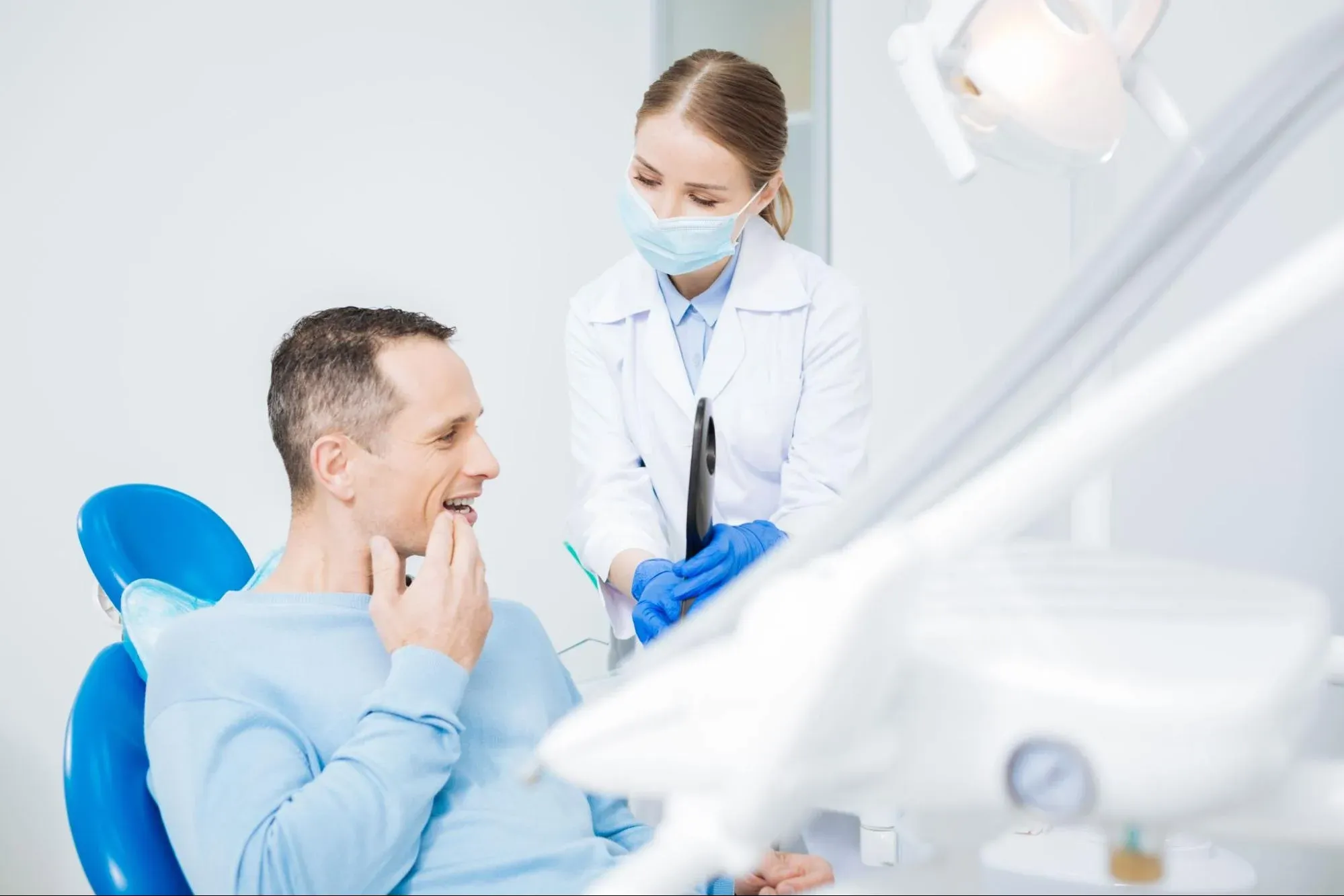
Within minutes, you can look in the mirror and see your new smile—in your own mouth. You can talk, smile, and take selfies.
-
"Are they too long?" We can shorten them instantly.
-
"Are they too square?" We can round them.
-
"Is it too white?" We can discuss shades.
The Mock-Up helps turn your ideas into reality. It lets you help design your own smile. You only start treatment when you are happy with the preview.
"Hollywood Smile" vs. "Natural Smile"
These terms describe the style of your final smile.
The Hollywood Smile:
-
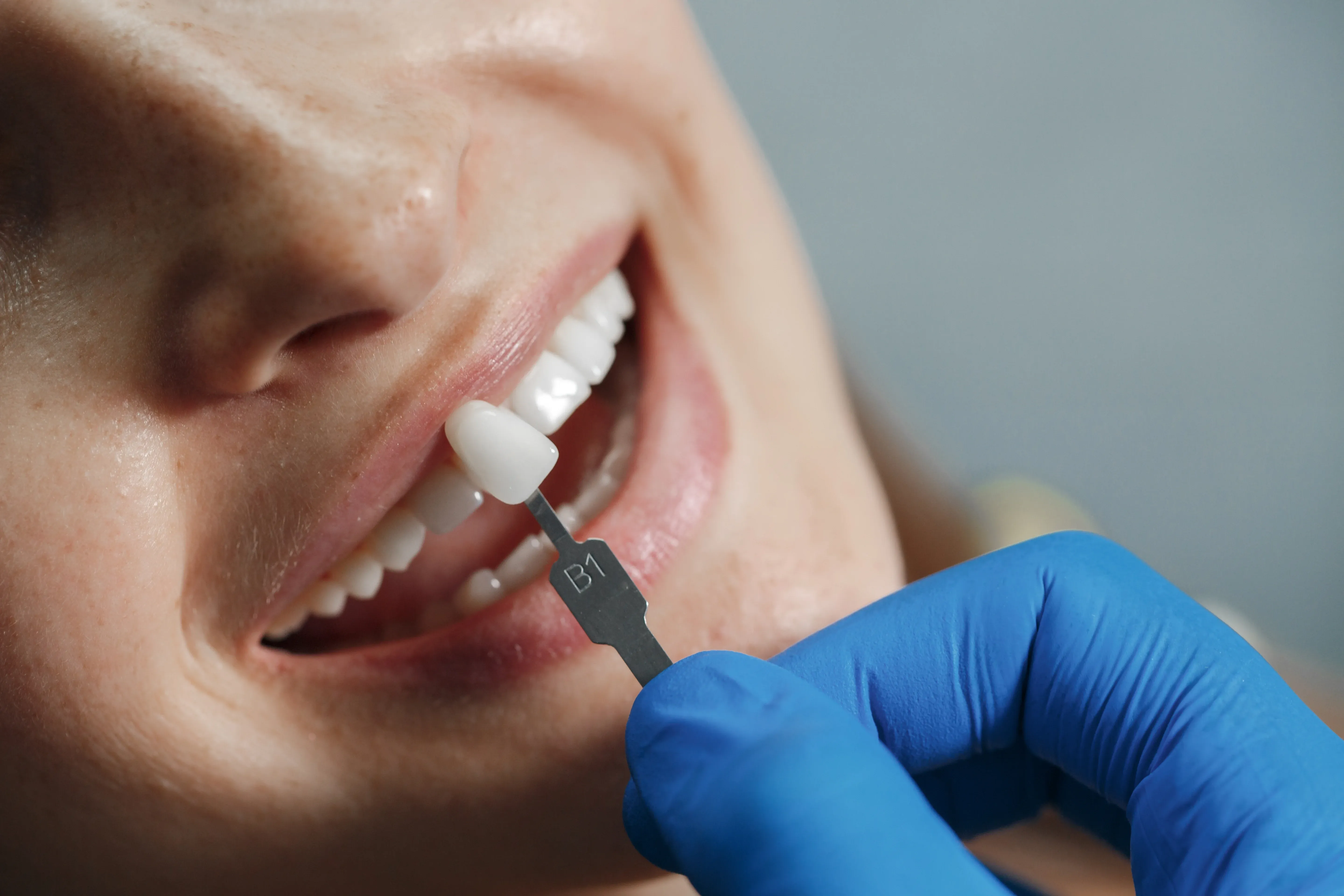
Characteristics: Perfect symmetry, impeccable alignment, and usually a very bright, bleach-white shade (often BL1 or BL2 shades).
-
The Vibe: High impact, glamorous, "TV-ready." It signifies a cosmetic enhancement.
-
Best For: Patients who want a dazzling, high-wattage transformation and aren't afraid of their teeth looking "perfectly done."
The Natural Smile:
-
Characteristics: Focuses on "invisible" dentistry. The teeth have subtle irregularities, translucency at the edges (a bluish-gray tint like real enamel), and surface texture. The color is usually a bright but natural white, not a "fridge white."
-
The Vibe: Sophisticated, understated, authentic. People will say, "You look great," not "I like your veneers."
-
Best For: Patients who want to restore their youth or fix flaws without it looking obvious that they had dental work.
Neither option is better; it depends on what you prefer. The great thing about Smile Design is that we can create either style.
The Toolbox: How Do We Build It?
After you approve the design, the dentist chooses the right tools to make it happen. A Smile Design makeover usually involves more than one procedure and often combines different methods.
1. Porcelain Laminate Veneers: The star player. These thin ceramic shells cover the front of the teeth to change color, shape, and size. They are the primary tool for the Hollywood Smile.
2. All-Ceramic Crowns (Zirconia/E-Max): Used for teeth that are heavily damaged or have had root canals. They provide the same aesthetic as veneers but offer more structural support.
3. Pink Aesthetics (Gum Contouring): If the "frame" is crooked, the picture will look wrong. Diode lasers are used to level the gum line or remove excess tissue (gingivectomy) to reduce a gummy smile before the veneers are placed.
4. Teeth Whitening: Often, we only place veneers on the top 8 or 10 teeth. The bottom teeth are then professionally whitened to match the new brightness of the upper arch.
5. Implants and Bridges: If a tooth is missing in the "Smile Zone," a Zirconia bridge or a dental implant is integrated seamlessly into the design.
The Functional Foundation
A beautiful smile isn’t helpful if you can’t chew or if your new teeth break because they don’t fit your bite. Smile Design is based on occlusion, which is the science of how your teeth fit together. We use digital jaw tracking to make sure your new teeth don’t hit the lower teeth when you talk or chew. We also make sure your teeth move smoothly to protect your jaw joint (TMJ). This is why quick veneers without planning often fail—they may look good at first but don’t work well over time. Real Smile Design makes sure your new smile works as well as it looks.
The Emotional Transformation
The effects of a Smile Design makeover go beyond just appearance. We often see big changes in our patients’ confidence and outlook.
-
Confidence: The subconscious habit of covering the mouth with a hand disappears.
-
Youthfulness: Restoring the length of worn-down teeth supports the lips and cheeks, acting like a non-surgical facelift.
-
Professional Perception: A polished smile often signals competence and attention to detail.
It’s not just about looks; it’s about matching how you feel inside with how you look outside
Designing Your Future
Getting a smile makeover is a big decision. It takes time, trust, and resources. But unlike a car or a handbag, your new smile is something you use every day, in every moment, for years to come.
The time of one-size-fits-all smiles is over. Your face is unique, and your smile should be as well. Whether you want the bright look of a Hollywood smile or the subtle beauty of a natural one, today’s technology can make it happen reliably.
At İstinye University Dental Hospital, we believe every smile tells a story. Our Prosthodontics Department uses the latest Digital Smile Design methods, blending advanced facial analysis with the skill of expert ceramists. We invite you to try the "Mock-Up," so you can see your future smile before treatment begins, and start a safe, precise, and beautiful transformation.