The Transformative Power of Orthognathic Surgery
09/01/2026 16:33
21/08/2026 14:27
Millions of people use braces, wires, or clear aligners to straighten their teeth. Orthodontics is very effective for moving teeth into place, but braces have their limits. Teeth sit in the jawbones, called the maxilla (upper jaw) and mandible (lower jaw). If these bones are the wrong size, shape, or position, braces alone cannot solve the problem.
This is where dentistry and surgery come together. Orthognathic surgery, or corrective jaw surgery, is used when jaw problems are too severe for braces alone. This surgery not only changes the shape of the face but also restores important functions like chewing, speaking, and breathing.
Jaw surgery can sound intimidating, but learning about how it works, the careful planning involved, and its many benefits can make it less overwhelming. This is not just cosmetic surgery, even though it often changes appearance. Its main goal is to restore function and improve quality of life.
Identifying the Skeletal Discrepancy
Most patients realize something is wrong long before they hear the term "orthognathic." The signs are often physical and persistent.
-
Bite problems: You might notice your front teeth do not touch when you bite down (open bite), making it hard to bite into foods like sandwiches. Your lower teeth might be far in front of your upper teeth (underbite), or far behind them (overbite).
-
Facial asymmetry: When you look in the mirror, your chin might seem off to one side, or one side of your jawline may look flatter than the other.
-
Chronic Pain: When jaws don't align, the muscles have to work overtime to force the teeth together to chew. This leads to chronic temporomandibular joint (TMJ) pain, headaches, and muscle spasms.
-
Sleep apnea: A lower jaw that sits too far back can push the tongue backward, blocking the airway during sleep. This is a serious condition, and surgery is often the only solution.
In these situations, the problem is with the bones, not just the teeth. Trying to fix a bone problem with only braces is like forcing a square peg into a round hole. It can harm the teeth and gums without solving the real issue.
The Biology of Misalignment
To understand the surgery, it helps to know how the jaws are built.
-
Prognathism: This usually refers to a lower jaw that has grown too much, creating a prominent chin and an underbite (Class III malocclusion).
-
Retrognathism: This refers to a lower jaw that hasn't grown sufficiently, resulting in a "weak" chin appearance and a severe overbite (Class II malocclusion).
-
Vertical Maxillary Excess: This occurs when the upper jaw grows too long vertically, resulting in a "gummy smile" where a significant amount of gum tissue is visible when smiling, and the lips often cannot close effortlessly (lip incompetence).
In children, doctors can sometimes use special devices to guide jaw growth. But after about age 18 to 21, the bones harden and stop growing. At that point, only surgery can move the jaw bones into the right position.
The Pre-Surgical Symphony: A Team Approach
Orthognathic surgery is always a team effort. An orthodontist and an oral and maxillofacial surgeon work closely together throughout the process.
The journey typically begins with "decompensation." Before surgery, your teeth need to be straight relative to the jawbone they sit in, not relative to the other jaw. Ironically, this phase (wearing braces for 12-18 months before surgery) can sometimes temporarily worsen the bite. This is normal. The orthodontist is moving the teeth into the perfect position so that when the surgeon moves the jaw, the teeth will lock together perfectly like a puzzle.
Digital planning has replaced guesswork. Today, doctors use 3D Cone Beam CT scans and virtual surgical planning. The surgeon can simulate the whole operation on a computer, measuring every movement very precisely. They can also 3D print guides that fit onto the teeth during surgery to make sure the jaws are moved exactly as planned.
Inside the Operating Room: How It Works
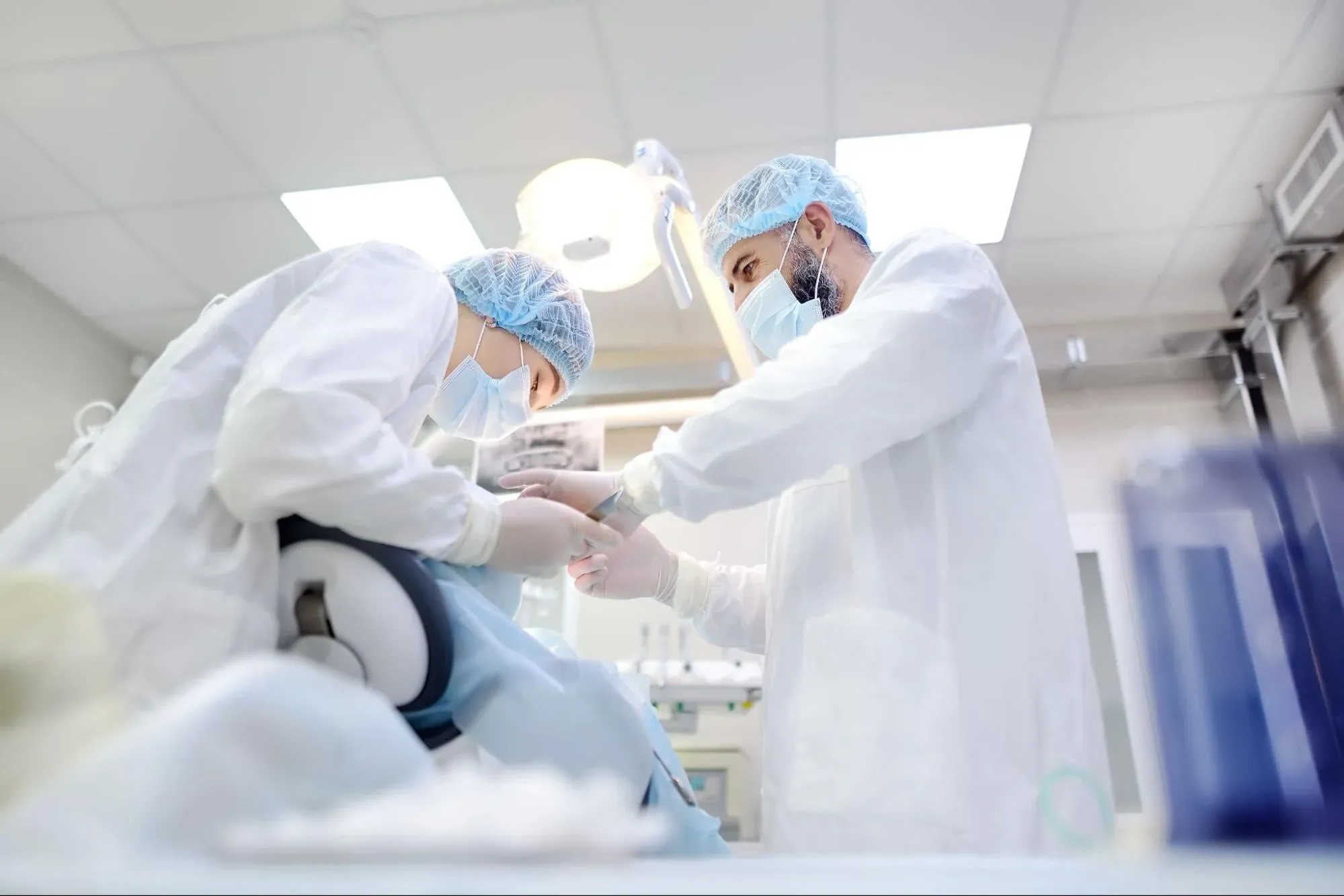
Many people think jaw surgery leaves scars on the face, but almost all cuts are made inside the mouth. The surgeon reaches the jawbones through the gum tissue, so there are no visible scars.
1. Le Fort I Osteotomy (Upper Jaw): The surgeon cuts the upper jawbone above the teeth. This allows the entire upper jaw (including the roof of the mouth and teeth) to be moved forward, backward, or upward. Once in the new position, it is secured with tiny titanium plates and screws.
2. Bilateral Sagittal Split Osteotomy (BSSO - Lower Jaw): This is a brilliant geometric procedure. The surgeon creates an oblique cut in the lower jawbone towards the back. This allows the bone to be split precisely, sliding the tooth-bearing segment forward or backward while keeping the jaw joint (condyle) in its socket. Again, rigid fixation with screws holds it in place.
3. Genioplasty (Chin Surgery): Often performed simultaneously, this involves cutting the chin bone and moving it forward, backward, or centering it to balance the facial profile.
The Recovery Phase: Patience Required
It is important to be realistic. This is a major surgery, and recovery takes time.
-
The Hospital Stay: Patients typically stay in the hospital for 1 to 2 days for monitoring.
-
No-chew diet: While the bones heal, you cannot put pressure on them. Patients start with a liquid diet for the first few weeks, then move to soft foods like mashed potatoes for several more weeks. This part of recovery is often the hardest mentally.
-
Swelling and numbness: Your face will swell, with the most swelling around day three. It is common to have numbness in the lower lip and chin because nerves are stretched during surgery. Feeling usually comes back over weeks or months, and this temporary numbness is a normal part of healing.
-
Returning to normal life: Most people can go back to school or desk jobs after 2 to 3 weeks, but full bone healing takes about six months.
The Airway Connection: Surgery as a Cure for Apnea
Many people have this surgery to fix their bite, but it also helps with breathing. When the jaws are set back, the airway can be narrow. Moving the jaws forward (maxillomandibular advancement) makes more space at the back of the throat.
For people with obstructive sleep apnea who cannot use a CPAP machine, this surgery can often cure the problem. It does more than improve the bite—it can lead to better breathing, deeper sleep, and a lower risk of heart disease linked to apnea.
The Aesthetic Outcome: Facial Harmony
We cannot ignore the mirror. While the medical goal is a functional bite, the aesthetic changes are profound. Orthognathic surgery alters the facial scaffolding.
-
A "weak" chin becomes strong and defined.
-
A protruding underbite is tucked back, softening the profile.
-
A gummy smile is reduced, creating a more balanced tooth display.
-
Asymmetry is corrected, aligning the midline of the face.
These changes often give people much more self-confidence. Many patients say they finally recognize themselves, and that their appearance matches how they feel inside.
Life After Alignment
Orthognathic surgery takes a lot of time and effort. It involves months of preparation and weeks of recovery. Still, most patients are very satisfied with the results. This is because it solves problems like chronic pain, trouble chewing, sleep apnea, and feeling self-conscious about appearance—issues that can affect people every day. Getting rid of these problems can truly change lives.
This surgery combines careful planning with medical skill. The result is teeth that fit together, jaws that work without pain, and a balanced, natural-looking face.
Starting this surgery means choosing a medical team you can trust. At İstinye University Dental Hospital, our orthodontists and oral and maxillofacial surgeons work together at every step. From your first digital scan to your last check-up, we are here to guide you safely and clearly, helping you reach both functional and aesthetic goals.