Restoring Your Smile: A Complete Guide to Tooth Fillings and Treating Decay
12/01/2026 00:51
21/08/2026 15:33
- The Invisible Enemy: How Decay Starts
- Symptoms: Listening to Your Teeth
- The Evolution of Materials: Amalgam vs. Composite
- The Filling Procedure: A Step-by-Step Guide
- When a Filling Isn't Enough: Inlays and Onlays
- Post-Op: Dealing with Sensitivity
- Prevention: The Best Filling is No Filling
- Preserving Your Natural Smile
When most people think of dentistry, they picture getting a filling. For over a hundred years, the sound of the dental drill and the act of fixing teeth have been central to fighting tooth decay. Even though fillings are the most common medical procedure, many people don’t really understand how cavities form or how modern technology repairs them.
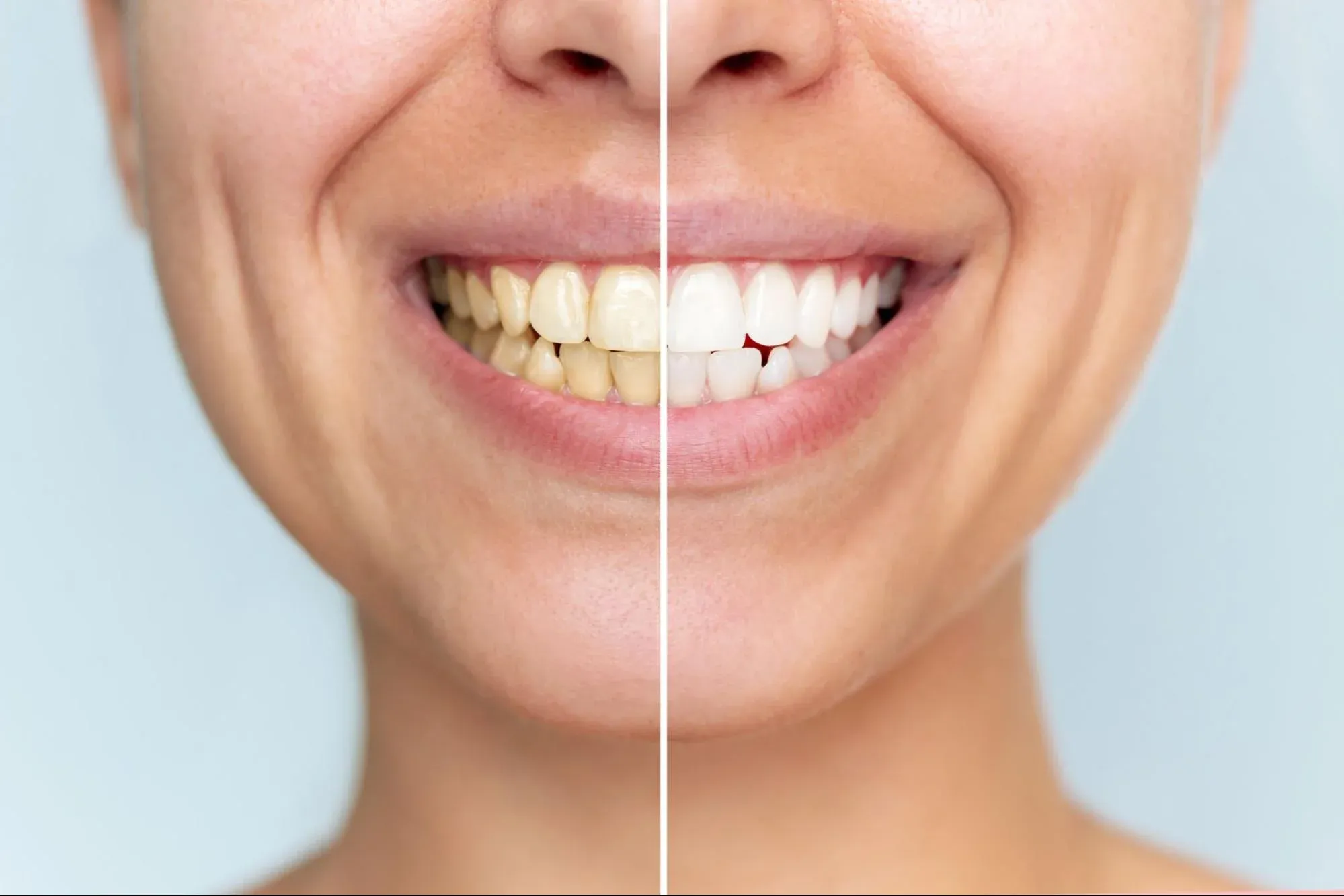
A lot of people think a filling is just about plugging a hole in a tooth. While that’s partly true, today’s dentistry goes much further. Dentists now aim to mimic nature, restoring the tooth’s strength, function, and appearance so well that you can’t tell the difference between the filling and your natural enamel.
Whether you are dealing with a sharp twinge of sensitivity when drinking ice water or have noticed a dark spot on a molar, understanding the progression of decay and the treatment options available is essential. This guide delves into the biology of the cavity, the debate between silver and white fillings, and the step-by-step artistry of restoring a damaged tooth.
The Invisible Enemy: How Decay Starts
To treat a disease, one must understand its origin. A cavity is not an event; it is a process. It begins with the interaction between bacteria and diet.
Our mouths are ecosystems teeming with bacteria. These bacteria congregate in a sticky film called plaque. When we consume fermentable carbohydrates (sugars, starches, refined flour), the bacteria feed on them. As a byproduct of this feast, they produce acid.
Enamel is the hardest part of your body and is made mostly of minerals. But acid can dissolve these minerals. Every time you eat sugar, acid lowers the pH in your mouth and starts to remove calcium and phosphate from your enamel. This is called demineralization. At first, it may look like a chalky white spot on your tooth. The good news is, at this stage, saliva can repair the damage by adding minerals back.
The Point of No Return: If the acid attacks are too frequent (due to snacking or poor hygiene), the structure collapses—a physical hole forms. Once the enamel is breached, bacteria rush into the softer underlying layer, the dentin. Dentin decays much faster than enamel. This is the moment a "cavity" is officially born, and no amount of brushing can fix it. It requires professional intervention.
Symptoms: Listening to Your Teeth
Tooth decay can be tricky because it often doesn’t cause symptoms at first. Usually, by the time you feel pain, the cavity has already gotten deep.
-
Sensitivity: A sharp, fleeting pain when consuming hot, cold, or sweet foods.
-
Visible Holes or Pits: Often seen on the chewing surfaces.
-
Staining: Brown, black, or white staining on any surface of a tooth.
-
Pain when Biting: Putting pressure on the tooth causes a sharp jolt.
-
Food Traps: Floss always tearing or food constantly getting stuck in the same spot between teeth.
The Evolution of Materials: Amalgam vs. Composite
For more than 150 years, dentists used dental amalgam, also known as the "silver" filling. This mix of silver, tin, copper, and mercury was strong and affordable, but it had some major downsides:
-
Aesthetics: It turned black over time.
-
Destructive Preparation: Because metal doesn't stick to teeth, dentists had to drill "undercuts" (locking shapes) into healthy tooth structure to keep the filling in place.
-
Cracks: Metal expands and contracts with heat (coffee/ice cream) at a different rate than the tooth, often causing the surrounding tooth to crack over decades.
Today, most dentists use composite resin, or white fillings, as the standard for restoring teeth. This material is made from a mix of plastic resin and glass particles.
-
Unlike metal, composite fillings actually bond to the tooth. This helps hold the tooth together and makes it stronger, instead of pushing it apart.
-
Because composite bonds to the tooth, the dentist only needs to remove the decayed part. Healthy tooth structure can stay, so less drilling is needed.
-
Composite fillings come in many shades. A skilled dentist can layer them to match the natural look and shine of your enamel.
While some places still use amalgam for hard-to-reach areas, most dentists now prefer composite because it’s better for your teeth and looks more natural.
The Filling Procedure: A Step-by-Step Guide
Fixing a tooth is a careful process that needs to be done in a dry environment.
1. Anesthesia and Isolation: First, the dentist numbs your tooth to keep you comfortable. It’s important to keep the tooth dry, because composite fillings won’t work if they get wet. Dentists use tools like a rubber dam or special suction devices to keep the area dry.
2. Excavation: The dentist uses special drills to remove the decayed part of the tooth. For deep cavities, they might use a pink dye that highlights only the infected areas, making sure all the decay is gone while saving as much healthy tooth as possible.
3. Preparation: If the cavity is close to the nerve, the dentist adds a protective layer to shield the nerve and help prevent sensitivity.
4. Etching and Bonding: The dentist applies a gentle acid gel to the tooth, which creates tiny pores. Then, a bonding liquid fills these pores. When a special light is used, it hardens the bond and helps the filling stick tightly to the tooth.
5. Layering and Curing: The dentist adds the composite in thin layers, each one hardened with a special blue light. This layering helps prevent the material from shrinking as it sets.
6. Shaping and Polishing: After the filling hardens, the dentist shapes it to fit your tooth and checks your bite to make sure it feels right. Finally, the filling is polished until it’s smooth and shiny, which helps keep plaque away.
When a Filling Isn't Enough: Inlays and Onlays
There’s a limit to how much of a tooth a filling can fix. If a cavity takes out more than half the tooth, a large filling might not be strong enough and could break or split the tooth. But covering the whole tooth with a crown might be more than you need.
In these cases, dentists often use inlays or onlays, which are also called indirect fillings.
-
Instead of filling the tooth right away, the dentist takes a digital scan or a mold of the cavity.
-
The Fabrication: A solid piece of porcelain or reinforced composite is milled in a lab (or chairside via CAD/CAM technology) to fit the cavity perfectly like a puzzle piece.
-
This piece is then cemented into your tooth. It’s much stronger than a regular filling and helps support the tooth, offering a middle ground between a filling and a crown.
Post-Op: Dealing with Sensitivity
It’s normal for a tooth to feel sensitive to cold for a few days or weeks after a filling. This usually happens because of the drilling or the bonding process, and it often goes away on its own. But if you feel sharp pain when you bite down, the filling might be too high and your dentist can easily adjust it.
Prevention: The Best Filling is No Filling
While restorative dentistry is excellent, natural enamel is irreplaceable. The focus of modern dentistry is "Minimum Intervention."
-
Fissure Sealants: Coating the deep grooves of molars in children to prevent decay before it starts.
-
Fluoride Therapy: To remineralize early white spots.
-
Dietary Counseling: Reducing the frequency of sugar intake.
Preserving Your Natural Smile
A filling does more than just stop pain—it stops a disease that can destroy your tooth. By removing decay and sealing the area with modern materials, dentists can help your tooth last for many more years.
Gone are the days of dark metal fillings. Today’s dental treatments are designed to be invisible and to keep your teeth healthy and strong. Whether you need a small fix or a bigger repair, the aim is always to restore your tooth’s natural look and function.
If you’re looking for strong and natural-looking solutions for tooth decay, İstinye University Dental Hospital has a full Restorative Dentistry department. We use the latest materials and digital technology, and we focus on gentle treatments to make sure your care restores both your smile and your oral health.