Transforming Full Mouth Rehabilitation: A Guide to All-on-4 and All-on-6 Implant Systems
09/01/2026 16:43
21/08/2026 14:23
- The Engineering Concept: Fewer Implants, Maximum Stability
- All-on-4 vs. All-on-6: What is the Difference?
- "Teeth in a Day": Immediate Function
- The Procedure: A Journey to Restoration
- Compared to Traditional Options
- Is Everyone a Candidate?
- Maintenance: It’s Not "Set and Forget"
- The Investment in Quality of Life
For many years, losing all your natural teeth meant living with compromises. Removable dentures were the usual answer. While they help with appearance, dentures have always fallen short in function. They need suction or sticky adhesives to stay put, can slip when you talk, and cover the roof of your mouth, which affects taste. Most importantly, they only give you a small part of your natural biting strength, so you may have to avoid foods like steak, apples, and raw vegetables.
Today, implant dentistry offers a solution that closes the gap between losing your natural teeth and wanting a permanent, fixed replacement. This is where the All-on-4 and All-on-6 protocols come in.
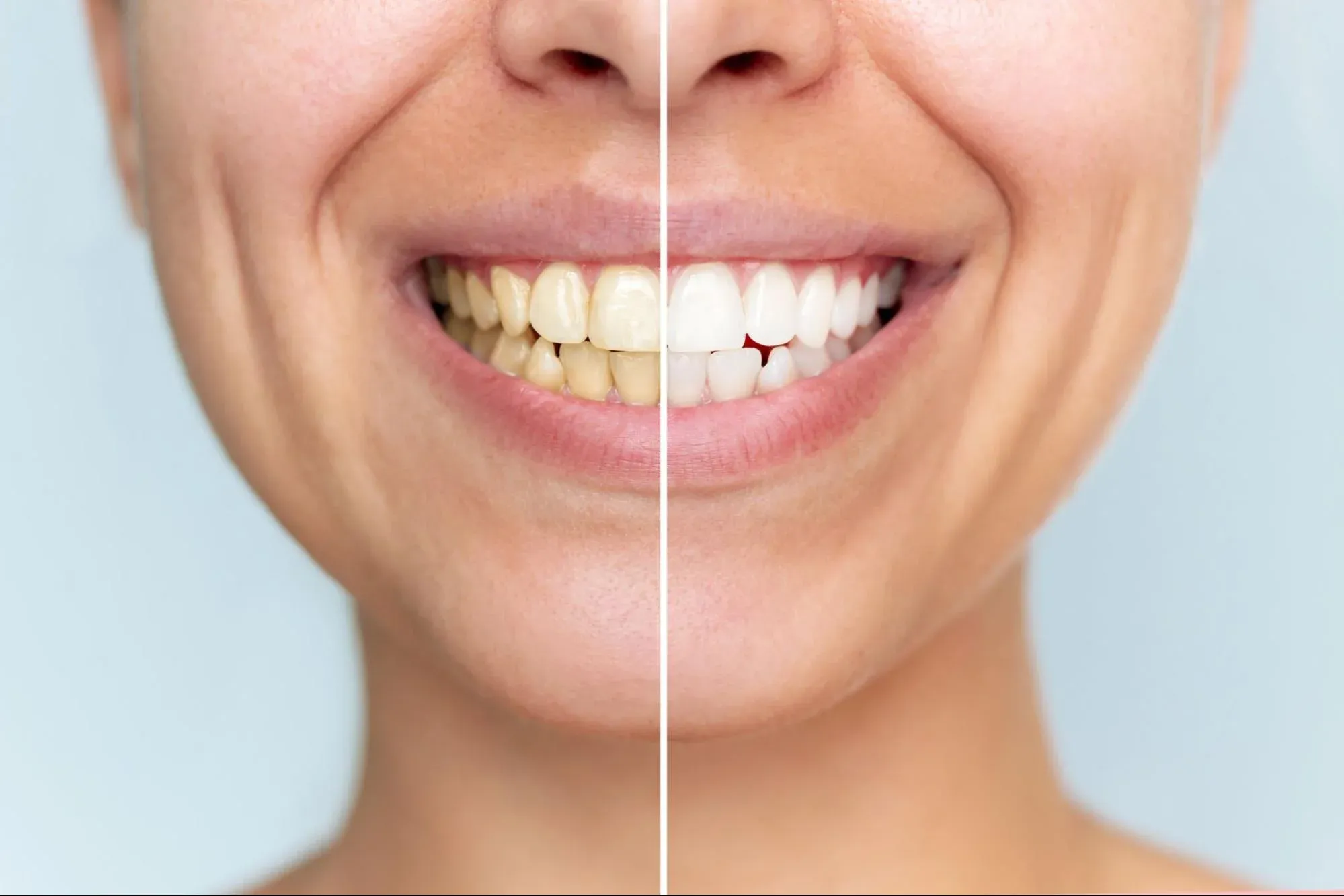
These methods have changed the way we approach full-mouth restoration. Instead of replacing each tooth with its own implant or using loose dentures, these techniques let you have a full set of teeth attached to just four or six implants. You get the strength of natural teeth, a great-looking smile, and often, new teeth in just one day. This guide will explain how these systems work, their differences, and how they can change your life.
The Engineering Concept: Fewer Implants, Maximum Stability
To understand All-on-4 or All-on-6, imagine a table. A table doesn’t need 10 legs to be stable; it just needs four legs positioned at the corners to support the weight evenly.
This simple idea is the basis for these implant techniques.
-
The Problem: When teeth are lost, the jawbone shrinks (atrophies) over time. In the back of the jaw, bone loss is often severe, and the sinus cavities (in the upper jaw) drop down, leaving very little bone to hold an implant.
-
The Solution: Instead of trying to build new bone through complex grafting surgeries, the All-on-4 technique utilizes the available bone.
The main innovation in All-on-4 is tilting the back implants. Two implants go straight in the front where the bone is thick, and the two in the back are placed at a 45-degree angle. Why do this?
-
Tilting the implant lets the surgeon use stronger bone and avoid the sinus in the upper jaw or the nerve in the lower jaw.
-
Increased Support: Tilting the implant allows it to be longer, providing more surface area for osseointegration and spreading support further back in the mouth (increasing the A-P spread), creating a stable foundation for the bridge.
All-on-4 vs. All-on-6: What is the Difference?
Patients often ask, "Which is better? Should I get 4 or 6?" The answer is not about "better," but about what is biomechanically appropriate for your specific jaw.
All-on-4:
-
The Configuration: Uses four implants per arch.
-
When there is a lot of bone loss in the back of the jaw, All-on-4 is often the best choice. Using just four implants and tilting the back ones usually means bone grafting is not needed.
-
The benefits are less surgery, lower costs, and a fixed set of teeth even when the jawbone is thin.
All-on-6:
-
The Configuration: Uses six implants per arch.
-
All-on-6 is used when there is enough bone in the back of the jaw.
-
The Advantage: Two extra implants provide additional stability and load distribution. It creates a stronger foundation, which can be beneficial for patients with a very heavy bite (bruxers) or broad jaws. However, it requires more available bone.
The Decision: You cannot simply choose from a menu. A 3D CBCT scan dictates the decision. If you have enough bone, an All-on-6 might be recommended for extra security. If your bone is thin, All-on-4 is the brilliant engineering solution that makes fixed teeth possible without a year of bone grafting surgeries.
"Teeth in a Day": Immediate Function
One of the biggest benefits of these methods is Immediate Loading. With traditional implants, you have to wait 3 to 6 months for healing before getting teeth, and you wear a removable denture during that time.
With All-on-4 or All-on-6, the implants are connected by a strong arch, so they can handle chewing right away.
-
The Timeline: The patient arrives in the morning with failing teeth or dentures. Under sedation, the remaining teeth are removed, the implants are placed, and a temporary fixed bridge is screwed onto the implants on the same day (or within 24 hours).
-
The Result: The patient never has to face the world without teeth. They leave with a fixed, functional smile.
The Procedure: A Journey to Restoration
While the concept is fast, the planning is meticulous.
Phase 1: Diagnosis and Digital Planning. Every detail matters. The surgeon uses 3D imaging to map your jawbone, nerves, and sinuses. Often, a surgical guide is printed to make sure the implants go exactly where planned.
Phase 2: Surgery Day. The procedure is usually done with IV sedation or general anesthesia to keep you comfortable.
-
Any remaining hopeless teeth are extracted.
-
The bone is smoothed (alveoloplasty) to create a flat shelf for the prosthetic.
-
The 4 or 6 implants are inserted.
-
The temporary fixed bridge is customized and screwed into place.
Phase 3: Healing. Over the next 3 to 6 months, your bone fuses to the titanium implants. During this time, you wear the temporary bridge and eat soft foods to protect the healing bone.
Phase 4: Final Restoration. Once the implants have fused, you come back for your permanent teeth. This bridge is reinforced with a titanium or zirconia bar for strength and is custom-made to look just like natural teeth.
Compared to Traditional Options
Why pick All-on-4 or All-on-6 instead of regular dentures?
-
Biting Force: A denture gives you about 10-20% of your natural chewing power. An All-on-4 system restores 80-90%. You can eat steak, corn on the cob, and apples.
-
Taste and Comfort: Upper dentures cover the roof of your mouth, blocking taste and temperature. All-on-4 leaves the palate open, so you can fully enjoy your food.
-
Bone Preservation: Implants keep your jawbone healthy, just like natural tooth roots. Without them, the bone shrinks over time, which can change your facial shape. Implants prevent this bone loss.
-
Security: No slipping, no clicking, no adhesives. The teeth are screwed in; only a dentist can remove them.
Is Everyone a Candidate?
Most people with dentures or failing teeth can get these implants, but your medical history is important.
-
Smoking: Heavy smoking slows healing and increases the risk of implant failure. Cessation is strongly recommended.
-
Uncontrolled Diabetes: Can affect osseointegration. Blood sugar levels must be managed.
-
Bisphosphonates: Certain osteoporosis drugs require special protocols.
All-on-4 is made to work even when you have very little bone, so it’s often the only fixed option for people told they don’t have enough bone for regular implants.
Maintenance: It’s Not "Set and Forget"
While these teeth cannot get cavities, they are not maintenance-free. Gum disease (peri-implantitis) is the enemy.
-
Daily Care: You’ll need to use a water flosser and special floss to clean under the bridge where it touches your gums.
-
Professional Visits: Visit your dentist every six months. Once a year, your dentist may remove the bridge to clean it, check the implants, and polish your teeth.
The Investment in Quality of Life
The cost of All-on-4 or All-on-6 is high, but it is essential to view it through the lens of longevity and lifestyle. Conventional dentures require relining, adhesives, and replacement every few years, and the biological cost of bone loss is irreversible. Fixed full-arch implants offer a permanent solution. They restore the structural integrity of the face, the function of the digestive system (through proper chewing), and the psychological confidence to laugh, speak, and kiss without fear.
Many patients say this procedure feels like a "rebirth." It puts an end to the pain, infections, and embarrassment that come with losing your teeth.
Choosing between All-on-4 and All-on-6 depends on your unique anatomy. At İstinye University Dental Hospital, our team uses advanced digital planning to assess your bone structure. We are here to help you find the best option for stability and appearance, so you leave with a new smile and new confidence.