Turning Back the Tide: Treatment Options for Gum Recession
12/01/2026 01:41
21/08/2026 13:56
The saying "getting long in the tooth" is often used to describe aging, and it actually has a basis in biology. As we get older, our gums can pull back, showing more of the tooth and making teeth look longer. This isn't just a cosmetic issue—it's a real dental problem called gingival recession.
Gum recession happens when the gum tissue around your teeth wears away or pulls back, exposing more of the tooth or its root. This can create gaps between the teeth and gums where harmful bacteria can build up. If not treated, it can damage the tissues and bone that support your teeth, which may lead to tooth loss.
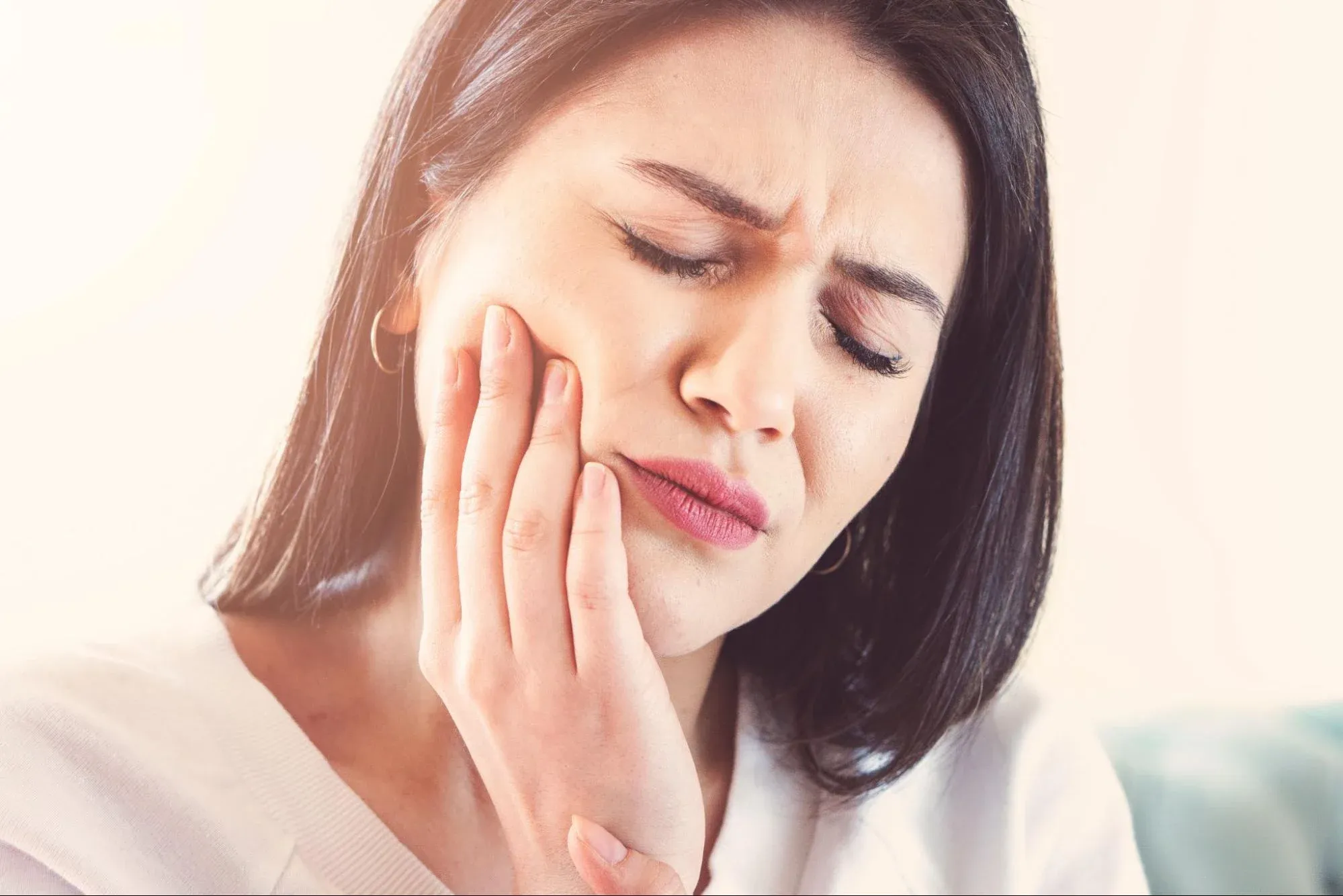
Gum recession doesn't just risk tooth loss—it can also affect your daily comfort. The roots of your teeth are covered by a softer layer called cementum, not hard enamel like the tops of your teeth. When these roots are exposed, they can be very sensitive to hot drinks, cold foods, or even cold air.
The good news is that gum recession is treatable. Modern periodontology offers sophisticated procedures to halt the recession and, in many cases, reverse it—covering the exposed roots and thickening the tissue to prevent future issues. This guide explores why gums recede, why ignoring it is dangerous, and the surgical artistry used to restore the protective blanket of the smile.
The root of the Problem: Why Do Gums Recede?
Gum recession usually happens slowly over time. Many people don’t notice it until one tooth looks longer than the others or they feel a small notch near the gum line. While gum disease is a major cause, it’s not the only reason. Even people with excellent dental care can experience recession.
1. Aggressive Brushing: Brushing too hard with a firm toothbrush, especially using a back-and-forth motion, can wear away gum tissue over time. 2. Genetics (Thin Biotype): Some people naturally have thin, delicate gums that are more likely to recede, even with normal care. 3. Malocclusion (Crooked Teeth): Teeth that are out of alignment can stretch the gum and bone, making them more likely to recede. 4. Bruxism (Grinding): Clenching or grinding your teeth puts extra pressure on the gums, which can cause them to pull back. 5. Periodontal Disease: Infection from bacteria can destroy the bone and gum tissue, causing it to separate from the tooth.
The Consequences of Exposure
Why should you treat gum recession? While it’s normal to care about how your smile looks, there are also important health reasons to get treatment.
-
Root Sensitivity: Exposed nerve endings in the root cause sharp, chronic pain.
-
Root Decay: Root surfaces are softer than enamel. They decay much faster. A cavity on the root can quickly reach the nerve and often leads to tooth loss because it is difficult to fill (because drilling below the gum line is required).
-
Bone Loss: The gum protects the bone. When the gum goes, the bone usually follows.
The Gold Standard: Connective Tissue Grafts
If gum recession is severe, just changing how you brush won’t bring the gum back. The lost tissue needs to be replaced. The most common and effective way to do this is with a Connective Tissue Graft (CTG).
Think of this as a "biological bandage."
-
The Donor Site: The periodontist carefully takes a small strip of tissue from the roof of your mouth, called the palate. The palate provides strong, durable tissue for this purpose.
-
The Recipient Site: The tissue strip is placed under the gum where it has receded, covering the exposed root, and then stitched in place.
-
The Healing: Over the next few weeks, the patient's blood vessels grow into this graft, integrating it completely. The result is a thick, healthy band of gum tissue that covers the root and resists future recession.
Alternatives: Free Gingival Grafts
For patients who need to thicken the gum tissue (rather than cover the root), a Free Gingival Graft is used. Instead of taking tissue from under the palate, a small layer of the surface skin is removed. This looks like a small patch. While highly effective at stopping recession progression, the color match isn't always as perfect as the Connective Tissue Graft (it tends to be lighter pink), so it is often used on lower teeth or back teeth where aesthetics are less critical.
The Modern Era: Minimally Invasive Techniques
If you’re worried about taking tissue from the roof of your mouth, there are now modern alternatives.
1. Allografts (Donor Tissue): Instead of using tissue from your own mouth, dentists can use processed, sterile donor tissue from a tissue bank or animal-based collagen. This means you don’t need a second surgical site, so recovery is faster and less painful. While your own tissue is still the best option, these materials work well for treating several teeth at once.
2. The Pinhole Surgical Technique (PST) and Tunneling: These methods do not require cutting or stitches.
-
How it works: Instead of cutting the gum and stitching on a patch, the specialist makes a tiny pinhole in the gum tissue above the recession.
-
The Lift: Using special instruments, the gum tissue is loosened and physically pulled down (like pulling down a window shade) to cover the exposed root.
-
Collagen Support: Collagen strips are placed through the pinhole to add thickness and help keep the gum in its new position.
-
The Benefit: This method gives you immediate cosmetic results, with little recovery time and almost no pain after the procedure.
Recovery: What to Expect
Gum surgery is a delicate process. For the graft to succeed, the new tissue must stay still so it can develop a healthy blood supply.
-
The First Week: The area may look swollen and even white or gray. This is normal healing skin, not a sign of infection.
-
Diet: You must eat only soft foods. Avoid biting into apples, sandwiches, or crusty bread, as anything hard could disturb the graft.
-
Hygiene: Do not brush the surgical area for about two weeks. Instead, use the prescribed antibacterial mouthwash to keep it clean.
-
The Palate: If tissue was taken from the roof of your mouth, it may feel sore, like a "pizza burn," for about a week. Your dentist may give you a plastic retainer to protect the area while you eat.
Prevention: Protecting the Investment
After your gums are restored, it’s important to maintain them to prevent problems from coming back.
-
Switch to Soft: Always use a soft or extra-soft toothbrush.
-
Check Your Technique: Ask your dentist to show you the "Modified Bass Technique," which uses gentle circular motions instead of scrubbing.
-
Night Guards: If grinding your teeth caused the recession, wearing a night guard is important to protect the new graft.
-
Orthodontics: In some cases, moving the tooth back into its proper position with braces or aligners helps the gum stay healthy over time.
Restoring the Pink Frame
Treating gum recession is a very rewarding part of dentistry. Many patients arrive worried about losing teeth or feeling embarrassed by their "long" smile, but they leave with a younger-looking smile and, most importantly, relief from sensitivity.
It is a procedure that rebuilds the tooth's defensive perimeter. By thickening the gum tissue and covering the vulnerable roots, we are essentially turning back the clock on oral aging.
Gum grafting is a delicate, specialized procedure. It takes a skilled specialist who understands blood flow, tissue health, and how to create a natural look. At İstinye University Dental Hospital, our Periodontology Department offers both traditional and minimally invasive gum grafting. We look at the specific reasons for your recession, whether mechanical or bacterial, and create a treatment plan that gives you the best, most comfortable results for your smile.