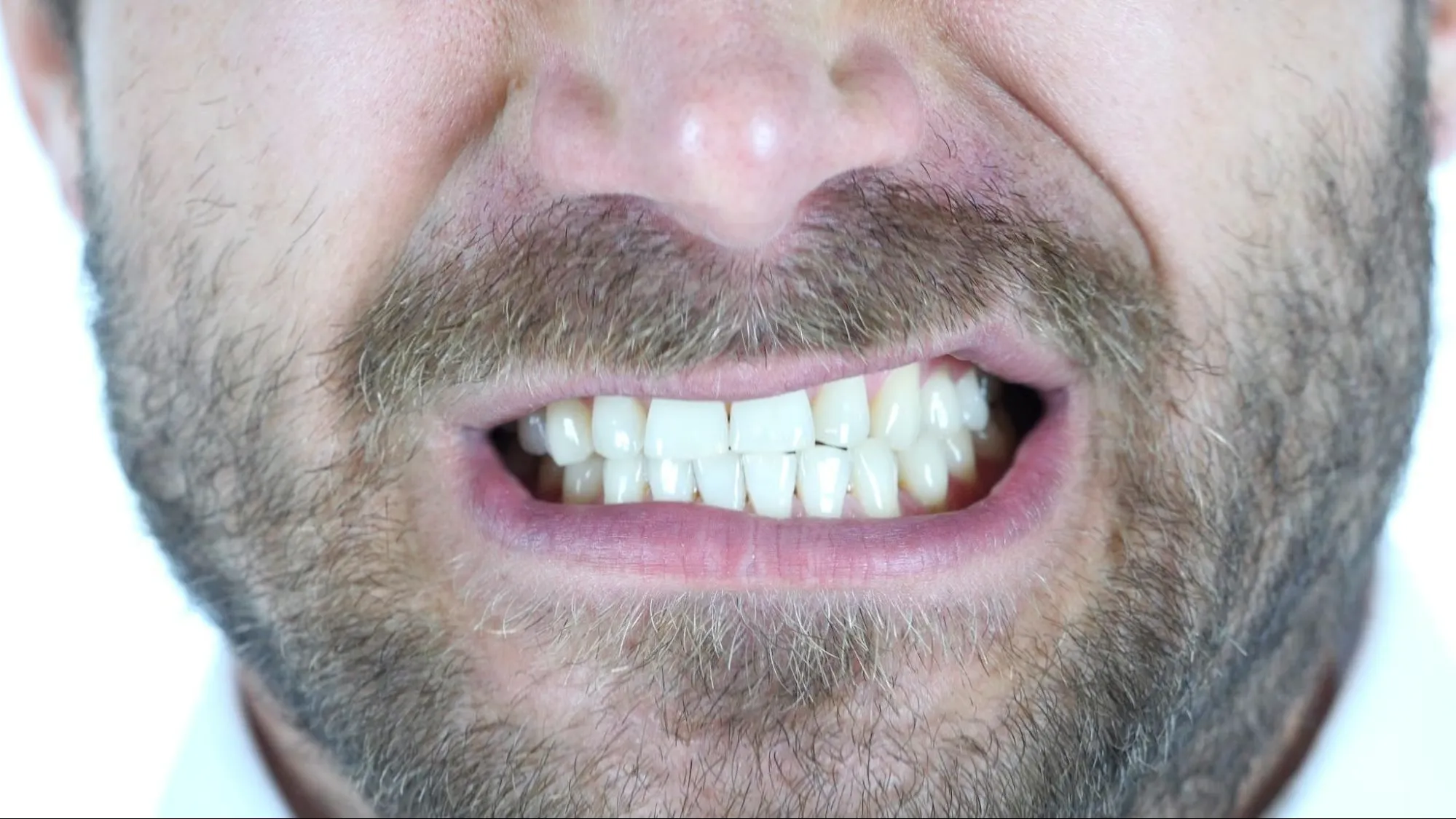
Under Pressure: Unmasking the Silent Epidemic of Teeth Grinding (Bruxism)
12/01/2026 02:03
21/08/2026 15:44
In today’s fast-paced and stressful world, our bodies sometimes react in harmful ways to release tension. Some people develop ulcers or migraines, but for more and more people, stress shows up in the mouth.
Bruxism is the medical term for the involuntary grinding, gnashing, or clenching of teeth. It is a parafunctional activity—meaning it’s a use of your body parts in a way they weren't designed for. Teeth are meant to touch only when we swallow or chew food, which amounts to roughly 20 minutes of contact per day. In a bruxer, however, teeth can be in forceful contact for hours, especially during sleep.
Bruxism is sometimes called "The Businessman’s Disease" because of its connection to high-pressure lifestyles, but it actually affects both children and adults. It’s known as a silent epidemic since most people don’t realize they have it until damage has already occurred.
It’s important to understand why teeth grinding happens. Is it caused by stress, or could it be a sign of a sleep disorder? This guide explains what bruxism is, the difference between daytime clenching and nighttime grinding, and how you can protect your teeth.

The Two Faces of Bruxism
Not all teeth grinding is the same. Dentists divide it into two main types, depending on when it happens.
1. Awake Bruxism ( The "Clenchers") This happens when you are conscious. It is rarely a grinding motion; mostly, it is clenching.
The Scenario: You are stuck in traffic, concentrating on a deadline, or lifting heavy weights at the gym. Subconsciously, you clamp your jaw shut.
The Trigger: It is almost exclusively linked to psychosocial factors like anxiety, stress, or intense concentration.
The Sign: You might notice your jaw muscles bulging or feeling tired by 3 PM.
2. Sleep Bruxism (The "Grinders"): This happens during sleep and involves rhythmic, side-to-side grinding of the teeth.
The Scenario: Your partner wakes you up, saying, "It sounds like you're chewing rocks."
The Trigger: While stress plays a role, sleep bruxism is complex. It is arguably linked to micro-arousals during sleep. As your brain cycles from deep sleep to light sleep, the heart rate rises, and the jaw muscles activate.
The Link to Airway: Emerging research shows a strong link between Sleep Apnea and Bruxism. If you stop breathing at night, your body might grind its teeth to push the lower jaw forward and open the airway. In this case, grinding is actually a survival mechanism.
The Anatomy of Destruction
Why is bruxism so harmful? It’s because of the strength of the masseter muscle, which is the main muscle used for chewing and is one of the strongest in the body for its size.
When you chew, food acts as a cushion between your teeth. When you grind, your teeth press directly against each other, and the force can be more than 250 pounds.
The Consequences:
Tooth Wear (Attrition): The edges of your front teeth can become flat, and your canines, which should be pointed, may become dull. This makes your teeth look shorter and older.
Abfraction: The pressure from grinding can make your teeth bend at the gum line, leading to wedge-shaped notches near your gums.
Cracks and Fractures: Even healthy enamel has its limits. You might see thin vertical cracks, or in severe cases, a molar could break and need to be removed.
Gum Recession: The constant pressure can damage the bone and gums that support your teeth.
Hypertrophy: The jaw muscles can get bigger from all the extra work, making your face look wider and more square.
Symptoms: Listening to Your Body
Since you might be asleep while doing it, look for these clues:
The Morning Headache: A dull, throbbing ache in the temples immediately upon waking.
Jaw Stiffness: Difficulty opening your mouth wide to eat breakfast.
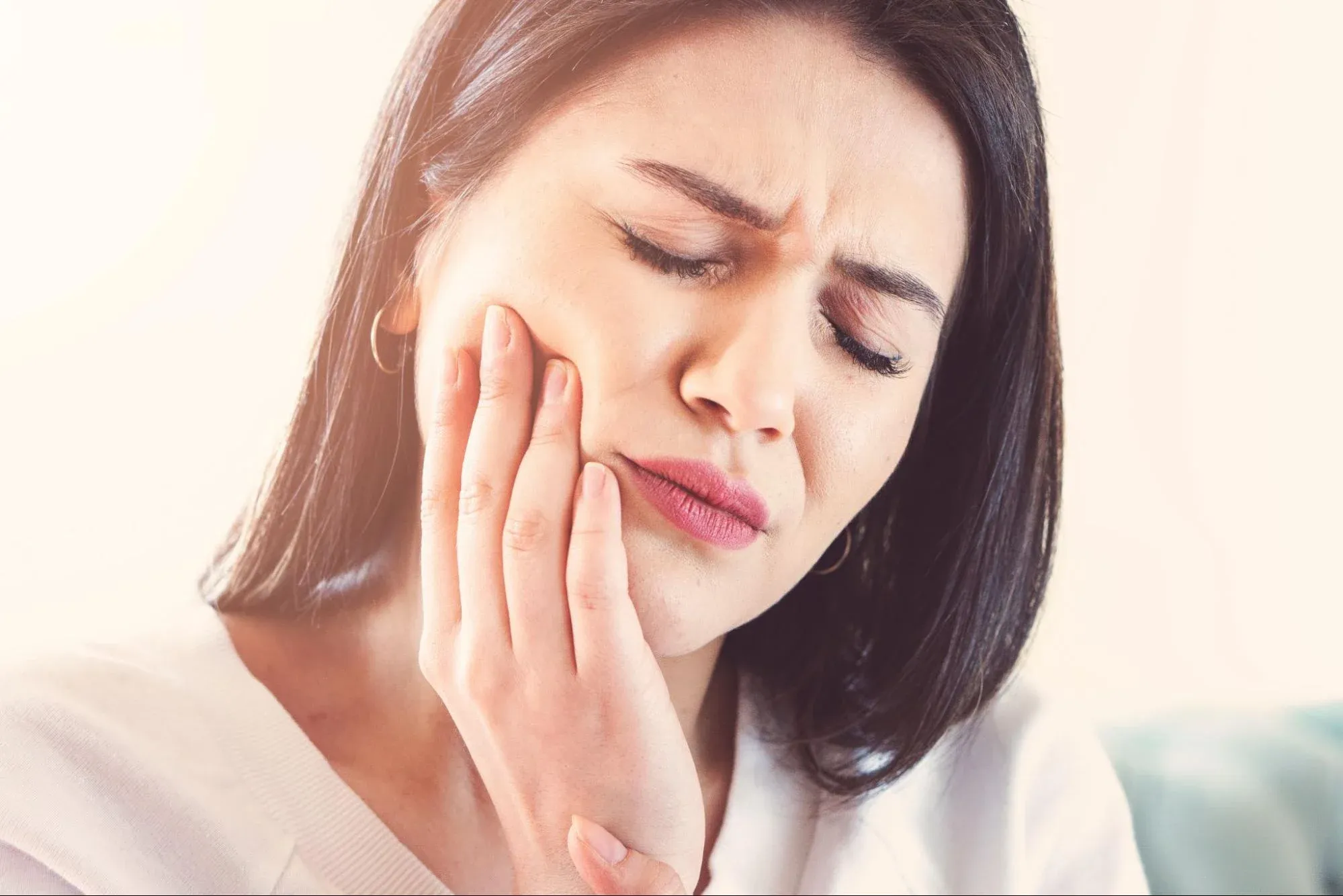
Earache: Pain that feels like an ear infection but is actually TMJ (jaw joint) pain radiating to the ear.
Sensitivity: Sudden sensitivity to cold or heat, even though there are no cavities. This happens because the enamel has been ground down, exposing the sensitive dentin.
Scalloped Tongue: Your tongue looks indented on the sides because you are pressing it against your teeth all night.

The Causes: It’s Not Just Stress
Stress is the main cause, but other factors can make bruxism worse.
Stimulants: Caffeine is a significant trigger. Drinking 6 cups of coffee keeps the muscles jittery.
Alcohol: While it helps you fall asleep, alcohol fragments your sleep cycle, leading to more micro-arousals and more grinding.
Medications: Certain antidepressants (SSRIs) have bruxism as a documented side effect.
Malocclusion: If your teeth don't fit together perfectly, your brain might try to "grind away" the high spot to find a comfortable resting position.
Management and Treatment
You can’t just decide to stop grinding your teeth while you sleep. Treatment is about managing the problem and preventing damage.
1. The First Line of Defense: The Night Guard. As detailed in our previous article, a custom occlusal splint is non-negotiable. It protects the teeth from wear and tear and deprograms the muscles. It doesn't always stop the habit, but it stops the damage.
2. Botox (Botulinum Toxin) Therapy. For severe cases where a night guard isn't enough, Botox is a miracle worker.
How it works: A small amount of Botox is injected into the masseter muscles.
The Result: It reduces the force of the contraction by partially paralyzing the muscle fibers, without affecting your ability to chew or speak. It essentially turns the volume knob on your grinder down from 10 to 3.
Bonus: It also slims the face (Masseter Reduction) by shrinking the overdeveloped muscles.
3. Stress Management: Treating the mind treats the jaw. Techniques like Progressive Muscle Relaxation, meditation, or simply good sleep hygiene (no screens before bed) can lower the central nervous system's excitability.
4. Physiotherapy Manual therapy to massage the trigger points inside the cheeks and neck can release the lactic acid buildup that causes pain.
5. Fixing the Airway. If the grinding is caused by Sleep Apnea, a night guard might not be enough. You might need a CPAP machine or a specialized "Mandibular Advancement Device" that pulls the jaw forward to keep the throat open.
The "Teeth Apart" Rule
For people who clench during the day, being aware of the habit is key. Remember: "Lips together, teeth apart." Your teeth should only touch when you’re chewing. Try putting sticky notes on your computer or car to remind yourself to relax your jaw and shoulders.
Saving Your Smile from Yourself
Bruxism is a condition that wears you down, both physically and emotionally. It can lead to pain and poor sleep, which then affects your mood and how well you function during the day.
The most serious problem is the permanent loss of tooth structure. While dentists can repair worn teeth with crowns and veneers, this process is complicated and expensive. The best approach is to catch bruxism early and protect your teeth.
If you think you might be grinding your teeth, don’t wait until you have a cracked tooth. At İstinye University Dental Hospital, we look at the whole picture. We check your bite, airway, and stress levels to create a plan just for you. Whether you need a custom splint or Botox treatment, we’re here to help protect your smile and improve your sleep.