Why Dental Scaling is More Than Just a Cleaning
12/01/2026 01:43
20/08/2026 16:56
Brushing our teeth is a daily habit for most of us. We brush, floss, and rinse, thinking we can keep our mouths completely clean. While home care is important, it has limits. Some spots, like behind the lower front teeth or around the back molars, are just too hard to keep perfectly clean.
Even if you brush carefully, you may notice a rough, yellowish buildup along your gum line over time. This isn’t a sign of poor hygiene; it’s a natural process called calculus, or more commonly, tartar.
Tartar is much harder than plaque, which is soft and easy to remove. It protects bacteria from your toothbrush and mouthwash. At this point, only a dental professional can help. Dental scaling is the procedure used to remove these tough deposits. Many people think scaling is just for looks, but it’s actually a medical treatment that helps stop gum disease.
This guide will explain how tartar is removed, clear up common myths, and show why this simple procedure is one of the best ways to keep your teeth healthy for life.
From Plaque to Stone: The Chemistry of Tartar
To understand why we need scaling, we must know what we are removing. It starts with Plaque. This is a soft, sticky film of bacteria that constantly forms on teeth. When you eat, the bacteria feed on sugars and produce acids. If you brush effectively, you remove this plaque.
Saliva helps repair tooth enamel because it has calcium and phosphate. But if plaque stays on your teeth for just a day or two, these minerals start to harden it. The plaque turns into tartar, building up layer by layer, similar to how a pearl forms in an oyster.
Once plaque transforms into Tartar (Calculus), it bonds firmly to the tooth enamel. It creates a rough, porous surface that attracts more plaque, creating a vicious cycle of buildup. At this stage, no amount of aggressive brushing or flossing can remove it. Only professional instruments can chip it away.
The Procedure: Ultrasonic Precision
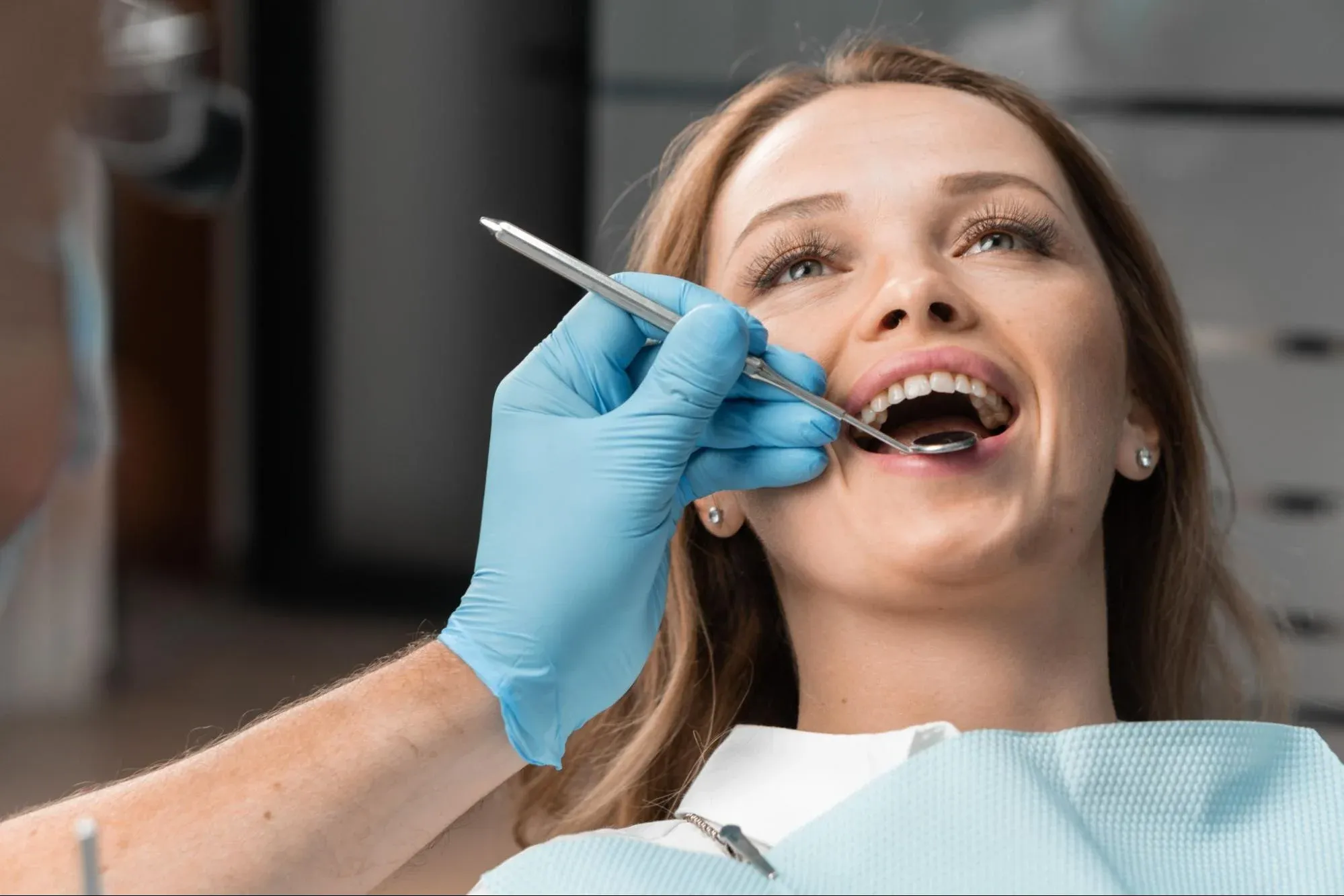
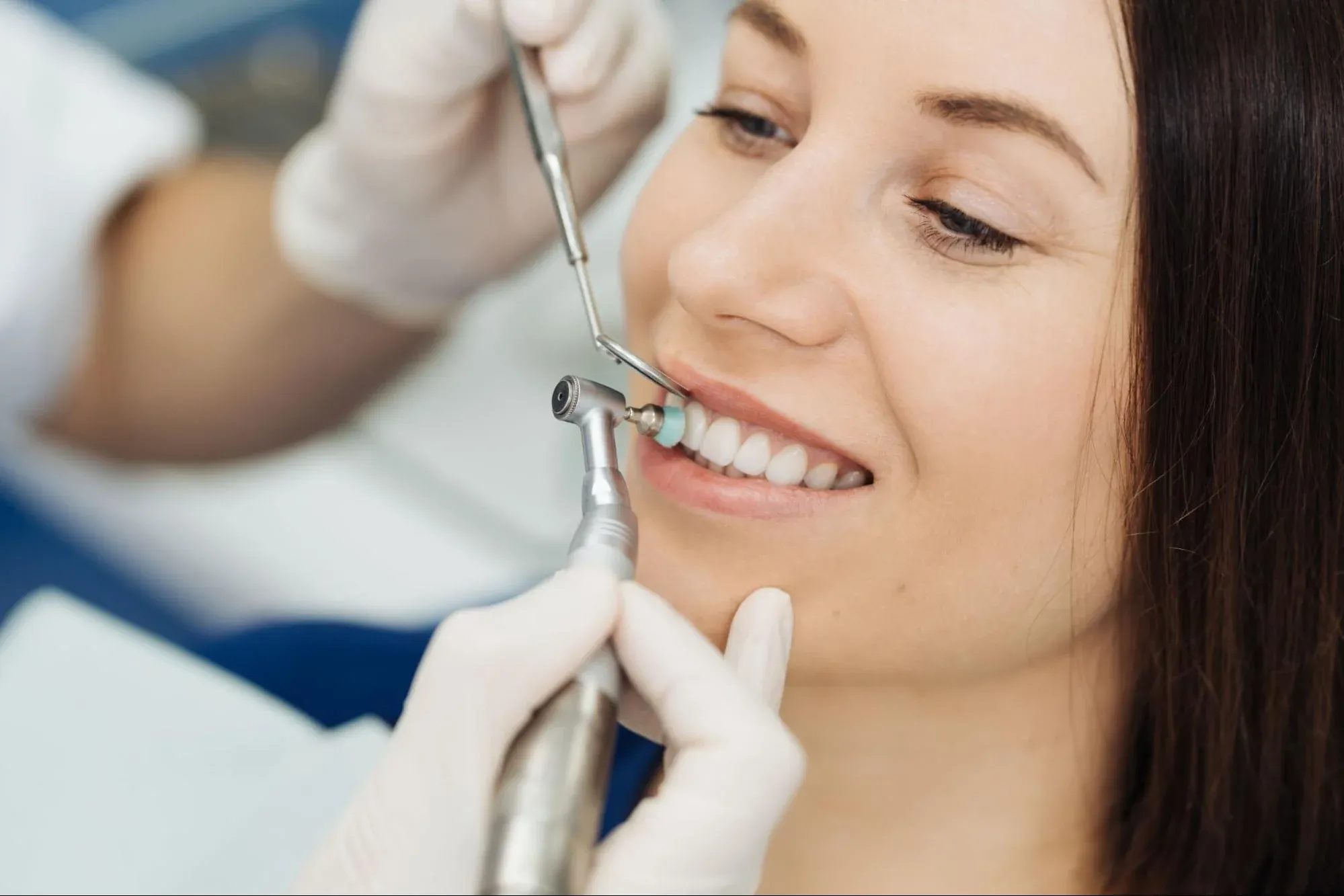
Dental scaling combines technology and skill. A dentist or dental hygienist usually does it, and most people don’t need anesthesia. If you have sensitive teeth, numbing gels can be used.
1. Ultrasonic Scaling: The main tool is an ultrasonic scaler, which has a metal tip that vibrates very quickly—between 25,000 and 45,000 times per second.
-
Vibration: The fast movement breaks up and loosens hard tartar.
-
Cavitation: The tip sprays a jet of cool water. The vibration creates millions of microscopic bubbles in the water that implode, creating shockwaves that disrupt bacterial cell walls. The water also flushes away the debris and keeps the tooth cool. Most patients feel a vibrating sensation or a high-pitched "tickle" during this phase.
2. Hand Scaling (The Fine Tuning) After the bulk of the tartar is removed, the clinician uses hand instruments (scalers and curettes). These are curved tools designed to fit the tooth's shape. The dentist gently scrapes the tooth surface to remove any remaining tiny islands of tartar and to smooth the root surface. This tactile feedback ensures nothing is left behind.
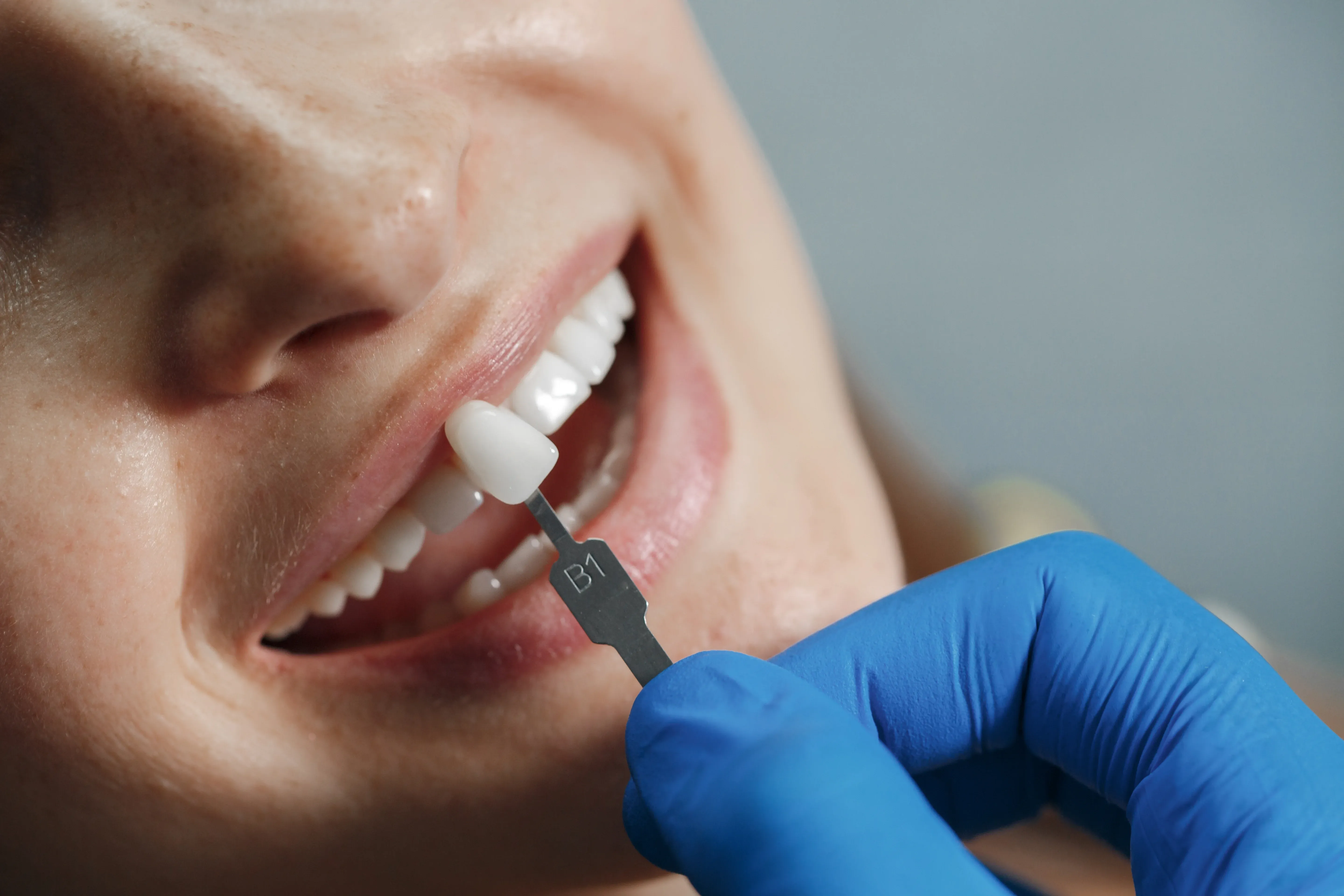
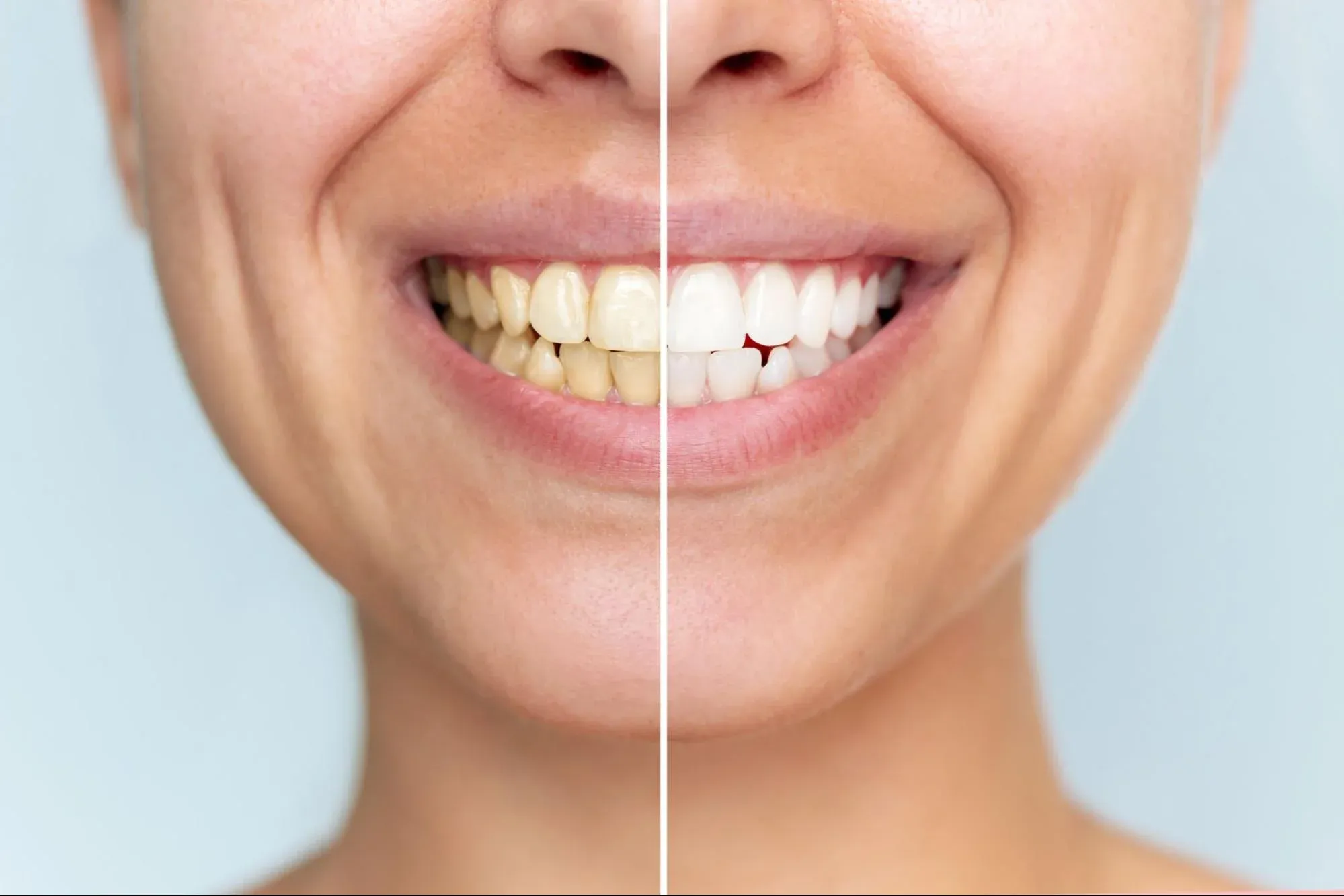
3. Polishing: Finally, a rubber cup with a gritty paste is used to polish your teeth. This removes stains from things like coffee or tea and makes your enamel shiny and smooth, so plaque is less likely to stick later.
Busting the Myths: Does Scaling Damage Teeth?
Many myths surround dental scaling. Here are the three most common misunderstandings that keep people from getting the care they need.
Myth 1: "Scaling scratches or thins the enamel." Fact: Enamel is the hardest substance in the human body—harder than bone. The ultrasonic tips used for scaling are designed to vibrate off the tartar without cutting into the enamel. When performed correctly by a professional, scaling does not damage tooth structure. It simply reveals the original surface underneath the dirt.
Myth 2: "My teeth felt loose after cleaning." Fact: This is a classic case of confusion between cause and effect. In severe gum disease, bone loss occurs, and teeth do become loose. However, heavy tartar buildup can sometimes bridge the gaps between teeth, essentially cementing them together into a solid block. When this tartar is removed, the teeth are no longer "splinted" by the calculus, and their looseness becomes apparent. The cleaning didn't cause the looseness; the disease did. Cleaning is the first step toward healing the gums so they can tighten up again.
Myth 3: "Cleaning created gaps between my teeth." Fact: Tartar fills the spaces between your teeth, so when it’s removed, you might notice small gaps near your gums. These gaps were already there because tartar caused your gums to recede, but they were hidden by the buildup. Removing tartar lets your gums heal and look less swollen.
Why is Tartar Dangerous?
Tartar isn’t just a cosmetic problem—it’s a real health risk.
-
Gum Inflammation (Gingivitis): Tartar’s rough surface irritates your gums, causing them to become red, swollen, and bleed easily.
-
Bad Breath (Halitosis): The porous structure of tartar traps dead cells and food particles, which rot and release foul-smelling sulfur compounds. This "tartar breath" cannot be cured with mints.
-
Bone Loss (Periodontitis): As tartar builds up, it causes your gums to recede and gets between your teeth and jawbone. This makes your body attack the bone, which can lead to tooth loss.
Frequency: How Often Should You Go?
Most people should get scaling every six months, but this can vary depending on your needs.
-
Low Risk: If you have great oral hygiene and healthy saliva, you might only need scaling once a year.
-
High Risk: If you smoke, have diabetes, wear braces, or are prone to gum disease, you may get tartar faster—sometimes in just three months. Your dentist will suggest how often you should come in based on how quickly tartar builds up for you.
Post-Procedure: Managing Sensitivity
It’s normal to feel some sensitivity to cold water or air for a few days after a deep cleaning. This happens because tartar acts like a blanket over your tooth roots, and once it’s gone, the roots are exposed for a short time.
-
What to do: This sensitivity won’t last long. Your gums will heal and tighten up within a week. Using a toothpaste for sensitive teeth can help make you more comfortable during this time.
A Fresh Start for Systemic Health
Dental scaling acts like a reset button for your mouth. It removes almost all the bacteria, leaving your teeth feeling lighter, fresher, and sometimes letting you feel air between them for the first time in months.
Cleaning away tartar doesn’t just help your mouth—it can also lower your risk for heart disease and diabetes. It’s a simple, affordable procedure that can really improve your overall health.
Caring for your smile means knowing when to get professional help for the spots your toothbrush can’t reach. At İstinye University Dental Hospital, our Periodontology Department uses gentle, thorough methods and advanced ultrasonic technology to remove tartar comfortably. We help keep your teeth strong, healthy, and clean, so you can smile with confidence.