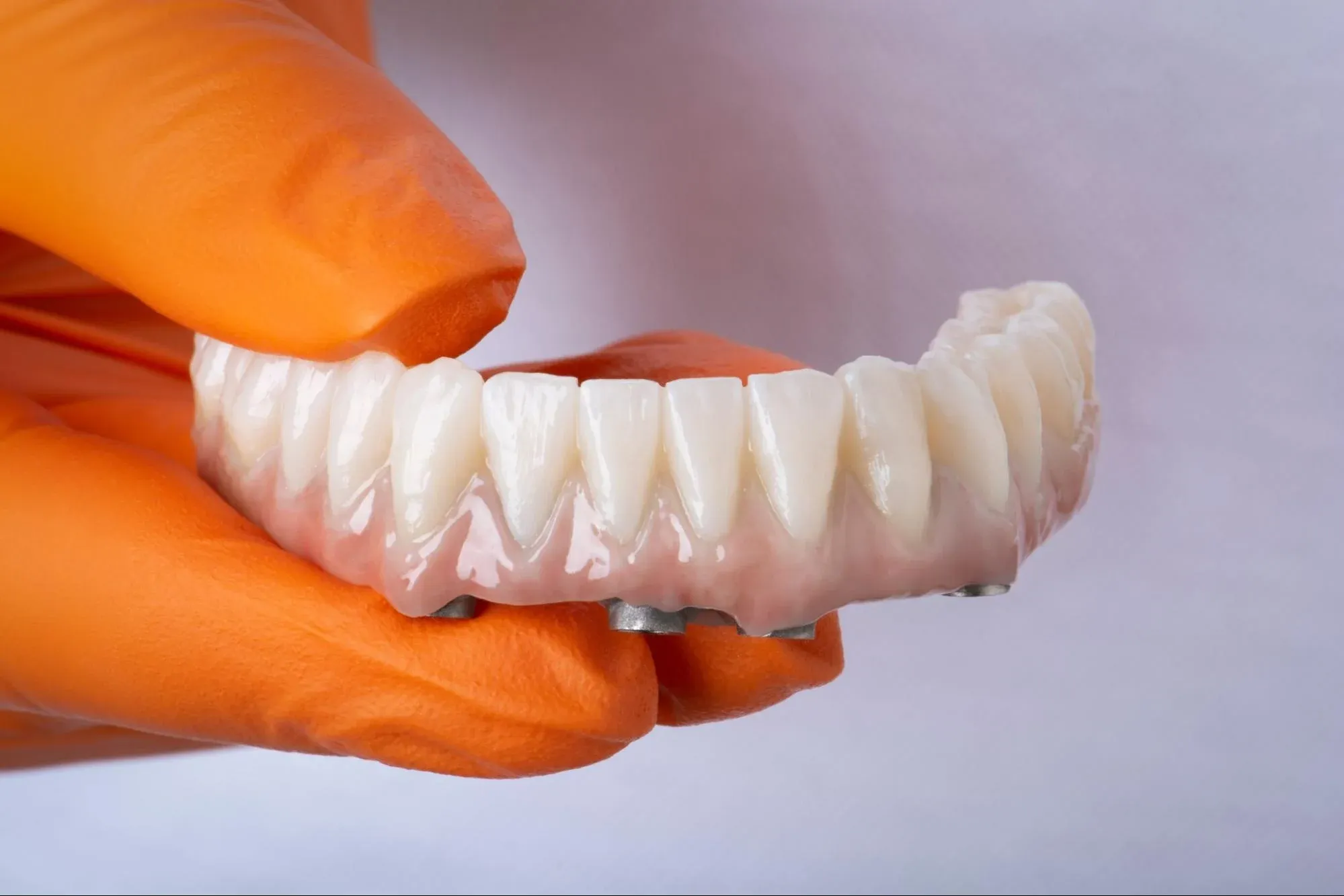
The Great Debate: Zirconium vs. Porcelain – Which Crown Material Should You Choose?
12/01/2026 01:49
20/08/2026 16:44
When working toward a perfect smile, patients face many choices. After picking a dentist, the next challenge is choosing the right material. If you need a crown, veneer, or bridge, you’ve probably heard about Zirconium and Porcelain.
For many years, dental choices were clear: gold for strength, porcelain-fused-to-metal for white teeth. Now, new materials let us have both strength and beauty. But this progress brings a new question. Patients often ask, "Which is better? Zirconium or Porcelain?"
There isn’t one “best” material for everyone. The right choice depends on where the tooth is, how strong your bite is, and what you want it to look like. Is it a front tooth that needs to look natural, or a back molar that needs to handle tough foods?
This guide will help clear up the Zirconium vs. Porcelain debate. We’ll skip the technical terms and look at the pros, cons, and best uses for each, so you can make the right choice for your dental health.The Old Guard: Understanding "Porcelain"
To compare these materials, let’s first explain what “Porcelain” means. In the past, a “porcelain crown” usually referred to a PFM (Porcelain-Fused-to-Metal) crown.
-
The Structure: A metal shell (alloy) covered by layers of white porcelain.
-
The Problem: Although strong, these crowns had a big downside. The metal core blocked light, making them look dull and unnatural. Over time, as gums receded, a gray line of metal often showed at the gum line.
The Modern Porcelain: E-Max (Full Ceramic) Today, when we compare Zirconium and Porcelain for looks, we usually mean Reinforced Glass Ceramics, such as Lithium Disilicate (E-Max). These crowns have no metal and are known for their natural, glass-like appearance. They look so much like real teeth that even dentists sometimes can’t tell the difference.
The Challenger: What is Zirconium?
Zirconium (Zirconia Dioxide) is a white, powdered metal oxide from the titanium family. People often call it “ceramic steel.”
-
The Origin: It is milled from a solid Zirconia block using digital CAD/CAM technology.
-
The Superpower: Extreme durability. Zirconium is virtually unbreakable. It can withstand the immense biting forces of the jaw without cracking.
-
The Look: Unlike the old metal crowns, zirconium crowns are white. However, standard Zirconium is more opaque (less see-through) than natural enamel or glass ceramics.
Round 1: Aesthetics and Natural Appearance
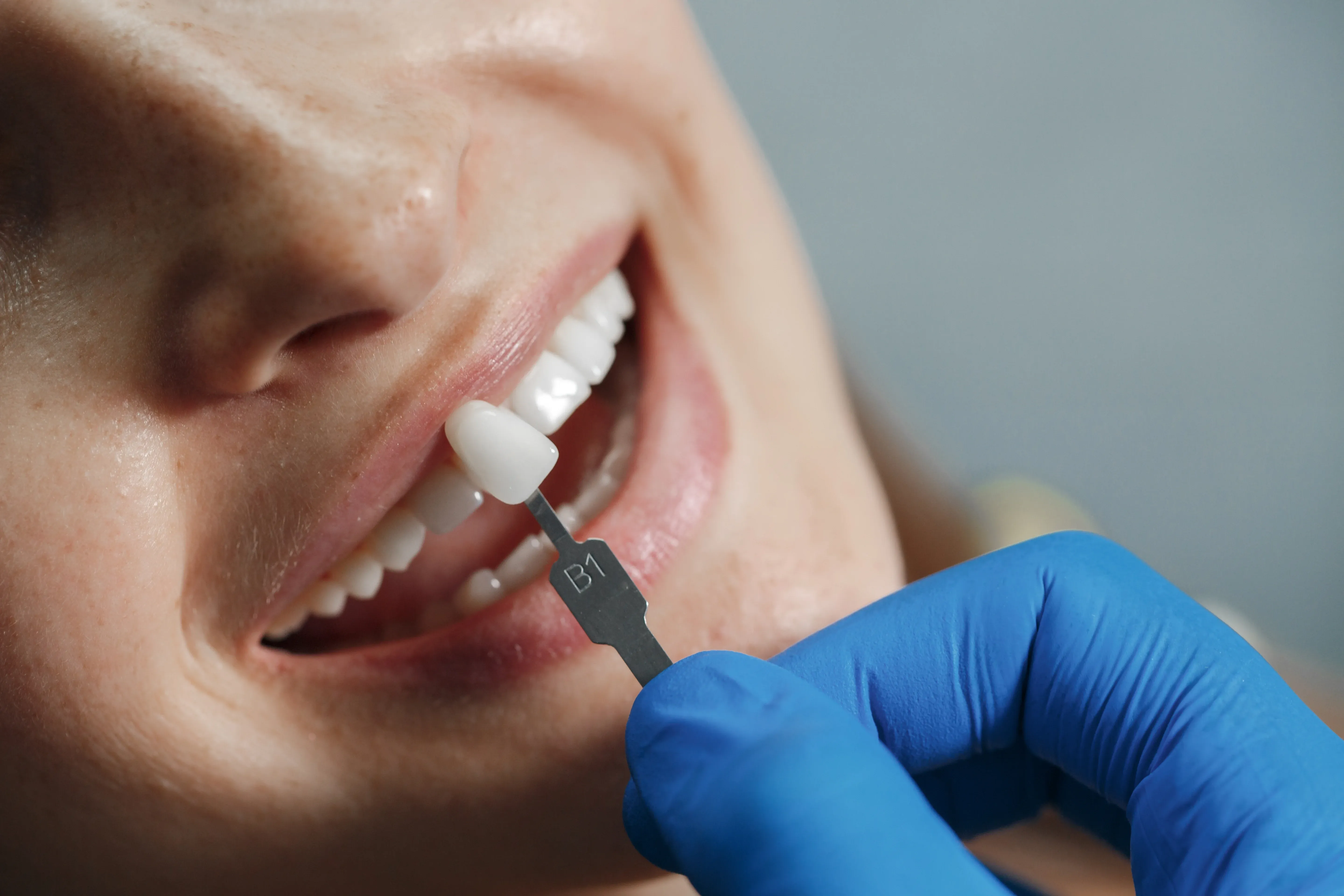
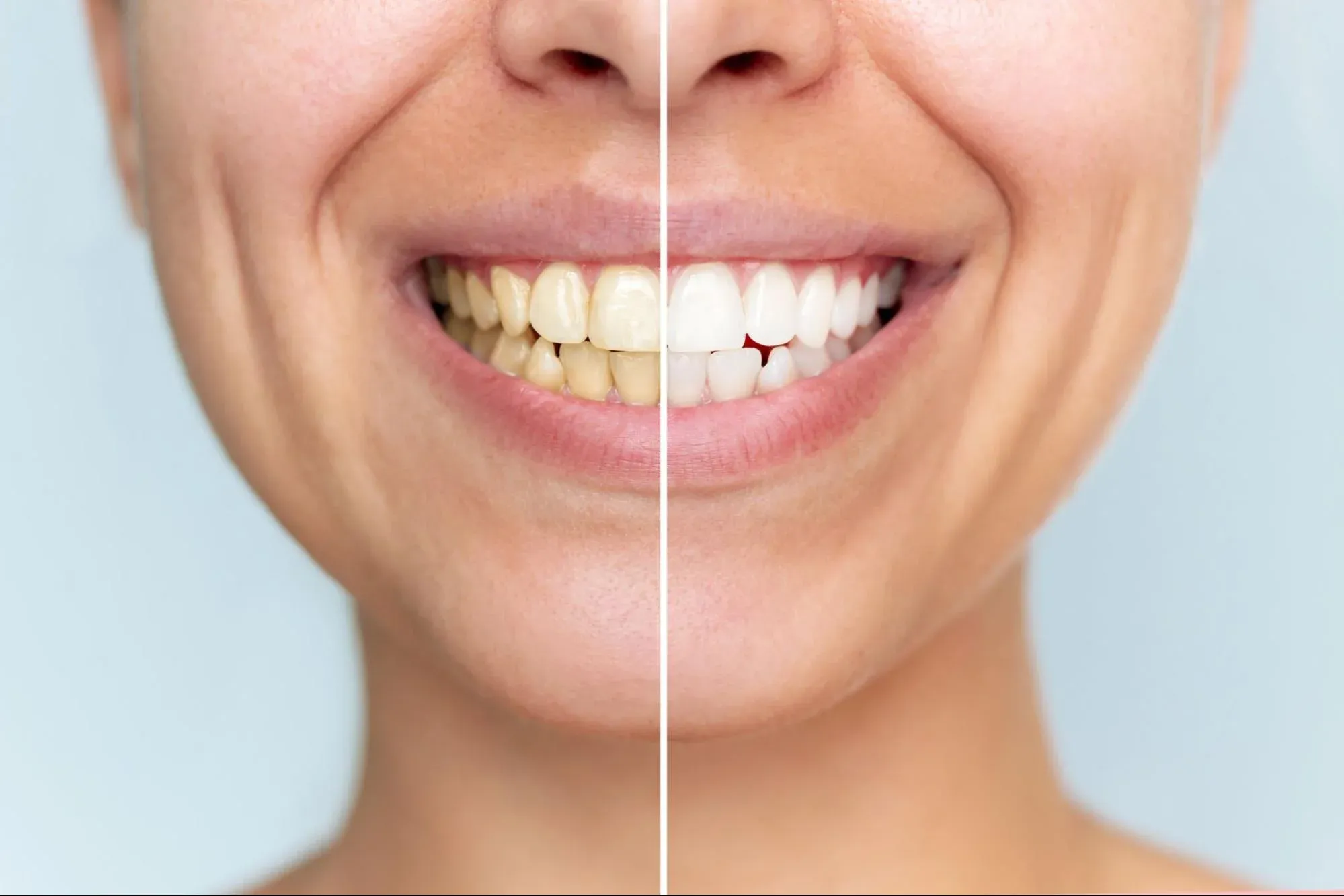
If you want your tooth to look just like a natural one, Porcelain (E-Max) is usually the best choice, though Zirconium is getting closer.
Porcelain (E-Max):
-
Translucency: Light passes through it just like a real tooth, giving it a natural depth and lively look.
-
Best For: The “Smile Zone.” This means the front six teeth (incisors and canines), where appearance matters most.
Zirconium:
-
Opacity: Traditional Zirconium is brighter and more opaque. It can sometimes look "too white" or slightly flat compared to the neighboring natural teeth.
-
Monolithic Zirconia: Modern "High Translucency" (HT) Zirconia has been developed to solve this. It is much better than before, but still slightly less glassy than E-Max.
-
Layered Zirconia: To get the best of both worlds, dentists often use a Zirconium core for strength and layer E-Max porcelain over it for beauty.
Round 2: Strength and Durability
If you grind your teeth or need a crown on a back molar, strength becomes more important than appearance.
Zirconium:
-
Strength: Zirconium is the strongest option. It resists breaking better than any other ceramic.
-
Bridges: Zirconium is the only metal-free material strong enough for long dental bridges. Porcelain is usually too brittle and can break under pressure. Zirconium provides the needed support.
-
Wear: When highly polished, Zirconium is gentle on the teeth it touches.
Porcelain:
-
Fragility: While strong enough for chewing, glass ceramics are more prone to chipping or cracking when subjected to extreme forces (such as opening a bottle with your teeth or heavy grinding).
-
Thickness: Porcelain crowns often need the tooth to be trimmed a bit more than Zirconium crowns do, to make them strong enough.
Round 3: Biological Compatibility
Both materials are much better than the old metal-based crowns.
-
Metal Allergies: Many patients are sensitive to nickel or other base metals used in older PFM crowns. Both Zirconium and All-Ceramic Porcelain are 100% biocompatible and hypoallergenic.
-
Gum Health: Zirconium is especially good for gum health. Its smooth surface makes it hard for plaque to stick, so gums around Zirconium crowns often look healthier than with other materials.
-
Thermal Insulation: Both materials insulate the tooth nerve well, meaning you are less likely to feel sensitivity to hot and cold drinks compared to metal crowns.
The "Gray Line" Dilemma
The biggesge of both Zof irconium and All-Ceramic Porcelain over o crows that they don’t caat they don’t cause a “gray line.” With PFM crowns, gum recession could reveal the metal edge, creatinggh, so elineif gums rec. Zirconium and Porcelain are white all the way through, so even if gums recede, your smile stays natural-lookingChoice: E-Max (Porcelain) Veneers or Crowns.
-
Why: Front teeth aren’t used for heavy chewing—they’re for appearance. The clear look of glass ceramic gives the most natural and beautiful result.
Scenario B: The Back Molar Restoration
-
Goal: Maximum strength.
-
Choice: Full Monolithic Zirconium.
-
Why: Back molars aren’t very visible. You need a material that can handle years of chewing without breaking. Zirconium is the best choice for this area.
Scenario C: The Missing Tooth (Bridge)
-
Goal: Spanning a gap.
-
Choice: Zirconium.
-
Why: Porcelain is too brittle to connect a bridge. Zirconium is strong enough to support the replacement tooth.
Scenario D: The Dark Tooth
-
Goal: Masking a severely discolored root canal tooth.
-
Choice: Zirconium.
-
Why: E-Max is so clear that a dark tooth underneath might show through. Zirconium is opaque enough to hide the darkness and still look natural.
The Cost Factor
Generally, the cost difference between high-quality Zirconium and E-Max Porcelain is minimal in most premium clinics. Both are considered top-tier materials. The cost variation usually comes from the laboratory process—hand-layered aesthetics take more time and artistry than machine-milled blocks. However, both are significantly more of an investment than the old Metal-Porcelain crowns. But when you consider longevity and the fact that you won't need to replace them due to the "ugly gray line" in a few years, the investment pays off.
Technology: The CAD/CAM Revolution
Zirconium’s popularity is thanks to digital advances in dentistry. It’s too hard to carve by hand, so it must be made with CAD/CAM (Computer-Aided Design and Manufacturing).
-
The dentist scans your teeth with a digital wand (no more goopy impressions).
-
The crown is designed on a computer screen with micron-level precision.
-
A milling machine shapes the crown from a solid block. This method often gives a better fit than traditional casting, lowering the risk of bacteria getting under the crown.
A Tailored Approach to Your Smile
The “Zirconium vs. Porcelain” debate isn’t about picking a winner—it’s about choosing the right material for each tooth. Modern dentistry lets us match the material to your needs. We might use E-Max on your front teeth for a glassy look and Zirconium on your molars for strength, blending them so your smile looks natural and bright.
In the end, the material is only as good as the dentist who works with it. A successful result depends on careful diagnosis, preparation, and skillful finishing.
Whether you need the strong durability of Zirconium for a bridge or the natural look of Porcelain for a veneer, the Department of Prosthodontics at İstinye University Dental Hospital uses the latest CAD/CAM technology and material science. We look at your bite, your goals, and your needs to choose the best material, making sure your new smile lasts and looks great.