A Comprehensive Guide to Dental Implants and Advanced Surgical Procedures

09/01/2026 16:29
14/08/2026 10:44
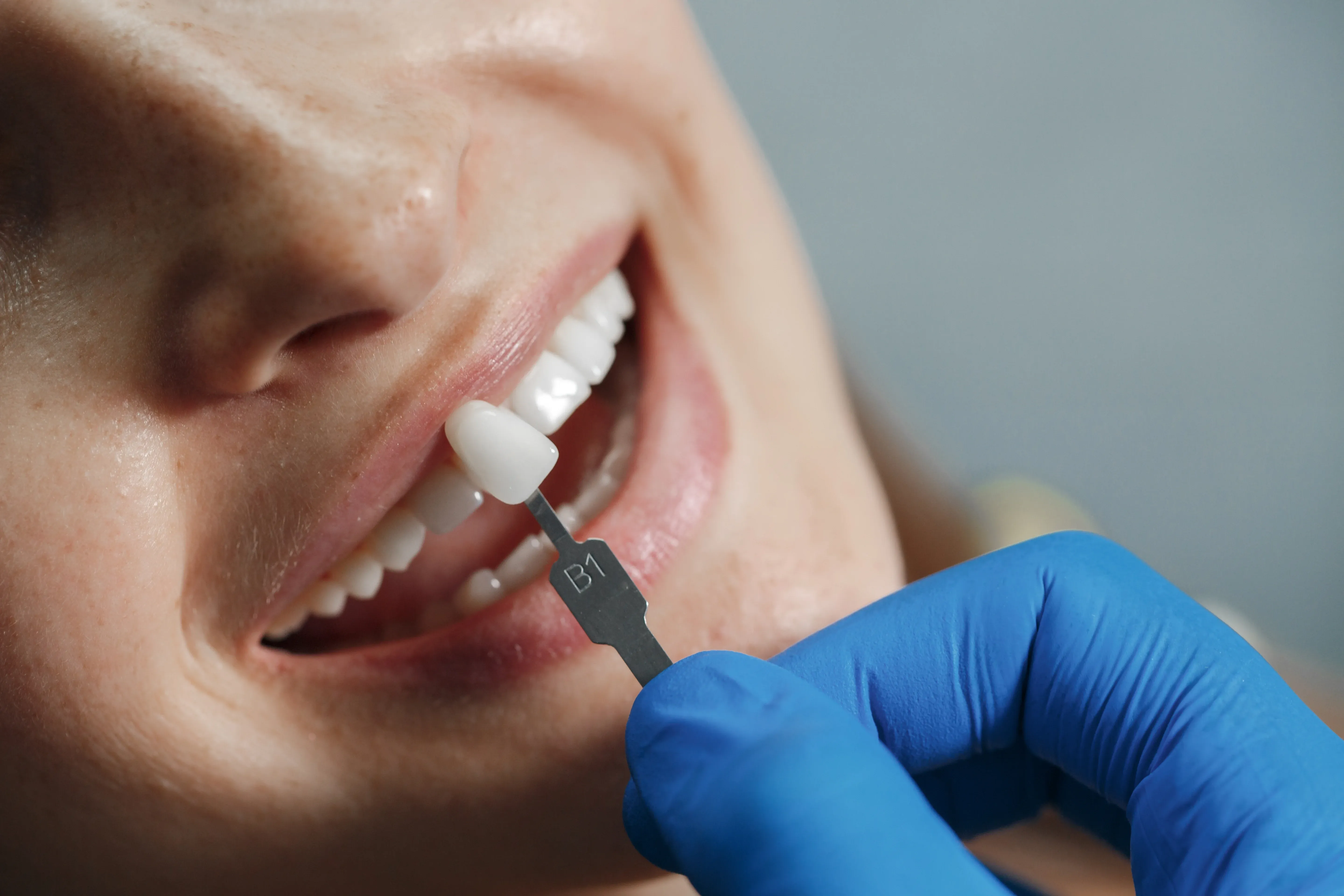
For many years, losing a tooth was seen as mostly a cosmetic or practical problem. People often had to choose between removable dentures, which could slip, or fixed bridges that damaged healthy teeth. Now, dentistry has changed. Today, we can replace not just the tooth you see, but also its root.
Dental implants and related surgeries are the most advanced way to restore your mouth. They do more than improve looks—they are designed to work naturally with your body. Still, the words "oral surgery" can make people nervous. Worries about pain and recovery often stop people from getting the best treatment.
This guide will help explain dental implants and oral surgery in simple terms. We’ll look at how implants work, how bone can be rebuilt, why these procedures are safe, and why they are the best choice for replacing teeth.
The Biological Miracle: What is a Dental Implant?
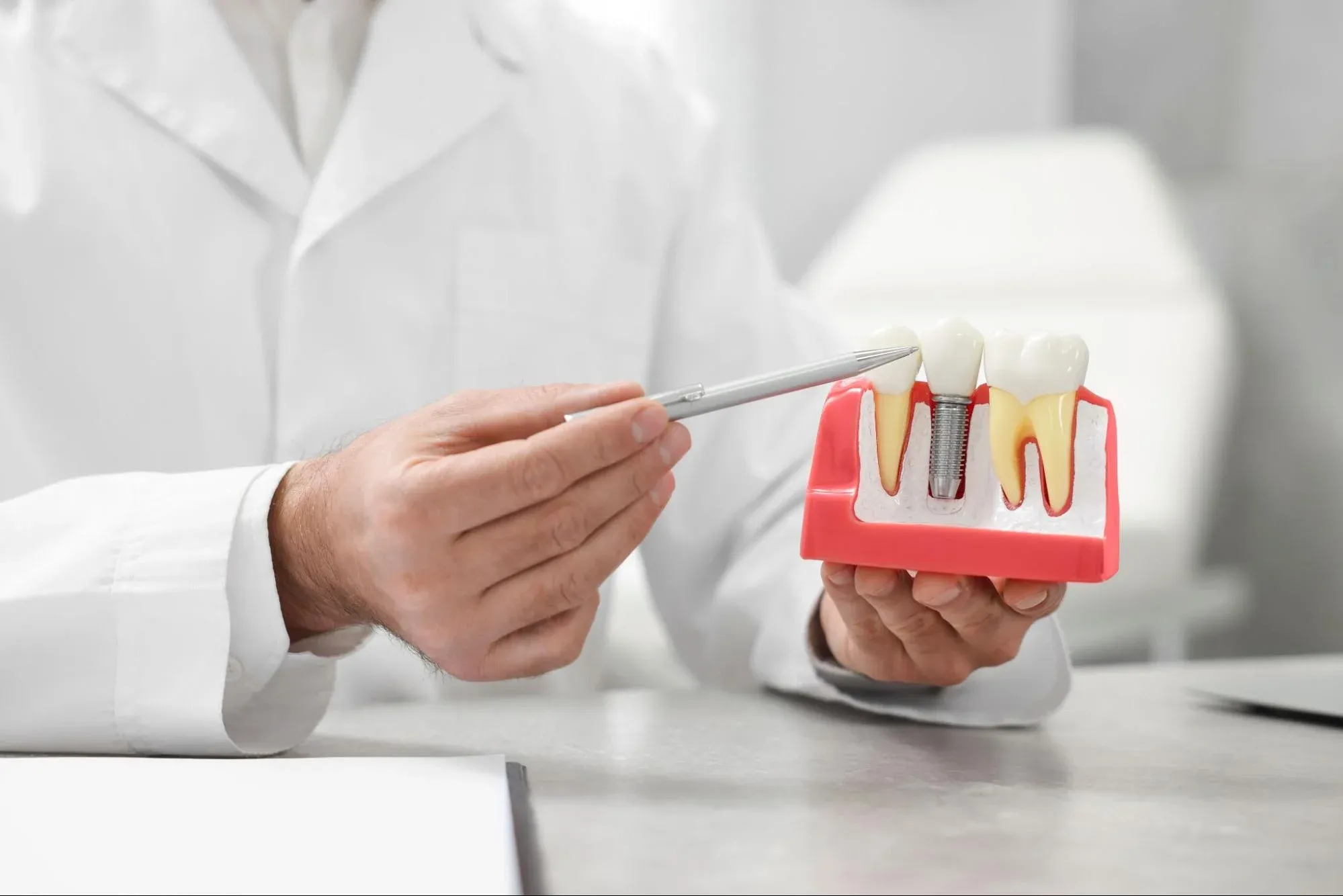
To see why implants are often better than other options, it helps to know a bit about tooth anatomy. Each tooth has two parts: the crown, which is the visible white part, and the root, which is hidden in the jawbone.
A dental implant is a replacement for the root. It is a small, screw-like post made of medical-grade titanium or zirconia. Why titanium? Because it is "biocompatible." The human body does not reject it as a foreign object. Instead, it embraces it. Through a fascinating biological process called osseointegration, living bone cells attach themselves directly to the titanium surface, locking the implant into the jawbone.
After the implant bonds with the bone, it acts as a strong base for the new tooth (crown). This setup works much like a real tooth and gives you biting strength that dentures cannot match.
The Pre-Surgical Phase: Building the Foundation
A successful implant requires a solid foundation. Just as you cannot build a house on shifting sand, you cannot place an implant in a jawbone that lacks density or volume. This is where the broader scope of "Oral and Maxillofacial Surgery" comes into play.
When a tooth is lost, the bone around it starts to shrink because it is no longer used for chewing. If teeth have been missing for a long time, there may not be enough bone for an implant. In the past, this meant implants were not possible, but now, bone can be rebuilt with surgery.
1. Bone Grafting (Ridge Augmentation): This common procedure uses bone graft material—either synthetic, from animals, or from the patient—to fill areas where bone is missing. The graft acts as a support, and over time, the body creates new bone to replace it, making the jaw strong enough for an implant.
2. Sinus Lifting (Sinus Augmentation) The upper jaw presents a unique challenge. Above the back teeth lie the maxillary sinuses (air-filled cavities). When upper back teeth are lost, the sinus floor often collapses, leaving the bone fragile. A sinus lift is a delicate surgical procedure in which the sinus membrane is gently elevated, and bone graft material is packed beneath it. This raises the "floor" of the sinus, creating safe vertical space for implant placement.
The Procedure: Step-by-Step Precision
Many people are surprised to learn that implant surgery is very precise and usually done with local anesthesia. Most patients say it is less uncomfortable than having a tooth pulled.
Step 1: Digital Planning Modern surgery begins on a computer screen, not in the mouth. Using 3D Cone Beam CT (CBCT) scans, the surgeon creates a digital map of the patient’s jaw. They can see nerves, sinuses, and bone density in three dimensions. This allows for "guided surgery," where the exact angle and depth of the implant are predetermined before the patient even sits in the chair.
Step 2: Placement. The surgeon makes a small incision in the gum to expose the bone. A specialized series of drills is used to create a bed for the implant. The titanium post is then inserted. In some cases, a "healing cap" is placed over it; in others, the gum is sutured closed over the implant to protect it.
Step 3: The Healing Period. Healing takes time—usually 3 to 6 months. The gums heal in a few weeks, but the important part is the bone slowly joining with the implant under the surface.
Step 4: Restoration. When the bone has fully joined with the implant, the next step is to attach an abutment (a connector) to the implant. The final ceramic crown is then placed on top.
Immediate Implants and "Teeth in a Day"
While the traditional method involves waiting, advancements in implant surface technology and surgical stability have introduced "Immediate Loading" protocols. In specific cases where the bone quality is excellent—often immediately after a tooth extraction—an implant can be placed, and a temporary crown attached in the same appointment. This preserves the gum architecture and ensures the patient never walks out with a gap in their smile. However, this decision relies heavily on the surgeon's clinical judgment.
Surgical Extractions: The Prerequisite
Oral surgery is not just about adding new teeth—it sometimes means removing damaged ones first. Surgical extraction is more involved than simply pulling a tooth.
Surgical extraction is needed when a tooth breaks at the gum line or has curved roots. The surgeon gently lifts the gum and may remove a little bone to take out the tooth carefully. This protects the bone for a future implant. This method is called "atraumatic extraction" and "socket preservation," where bone graft is added right after removal to keep the area strong.
Why Choose Surgical Implants Over Bridges?
Many patients wonder, "Why have surgery instead of just getting a bridge?" It is a good question, but bridges can have long-term drawbacks for your health.
- Sacrificing Healthy Enamel: With a traditional bridge, the teeth next to the gap must be filed down to hold the bridge. This means two healthy teeth are damaged to replace one missing tooth.
- Bone Loss: A bridge only covers the gap and does not replace the root. As a result, the bone under the bridge shrinks over time. This can cause the face to look sunken and create a space under the bridge where food can get stuck.
- Decay Risk: The teeth holding the bridge have to work harder and are harder to keep clean, so they can get cavities more easily. If one of these teeth fails, the whole bridge can fail.
Implants are different. They do not depend on other teeth, help keep the bone healthy, and can last a lifetime if you take care of them.
The Role of Sedation and Patient Comfort
Hearing the words "jaw surgery" can be scary. Modern sedation dentistry makes the process much easier. Most implant and bone graft surgeries use local anesthesia to numb the area. For those who are nervous or need more complex work, IV sedation or general anesthesia can be used. These options help you relax and often mean you will not remember the procedure, reducing stress.
Maintenance: Protecting the Investment
An implant cannot get a cavity because it is made of metal and ceramic, but it is not immune to problems. The gums around an implant can still get infected, a problem called peri-implantitis, which is often caused by poor cleaning or smoking.
Taking care of an implant is much like caring for natural teeth: brush, floss, and see your dentist regularly. The benefit is that a well-cared-for implant is permanent. Unlike dentures or bridges, it does not need to be adjusted or replaced often.
A Decision for Quality of Life
Oral and maxillofacial surgery does more than fix teeth—it helps restore your quality of life. It lets you eat your favorite foods, speak clearly, and smile with confidence. The process takes careful planning, skilled surgery, and healing, but the result is feeling whole again.
Whether you need one tooth replaced, major bone rebuilding, or a full-jaw restoration, these surgeries help you move from dental problems to a healthy future. Choosing implant surgery is an investment in yourself. At İstinye University Dental Hospital, we use the latest technology and expert care to make sure every step, from start to finish, meets the highest standards for your safety and results.